Double Chicken Please





<strong>Double Chicken Please</strong> sits at the center of New <strong>York City</strong>’s culinary-cocktail turn, where drinks borrow the structure of dishes rather than merely garnish themselves with kitchen ingredients. Its <strong>Lower East</strong> Side address, two-room format, and awards record, including No.1 in North America’s 50 <strong>Best Bars</strong> 2023 and No.14 in The World’s <strong>50 Best</strong> Bars 2024, place it in the city’s serious cocktail conversation.
 Discover on Pearl
Pearl is the En Primeur Club membership app — saves, bookings, and concierge access live there. Same editors, same standards.
Allen Street, split in two
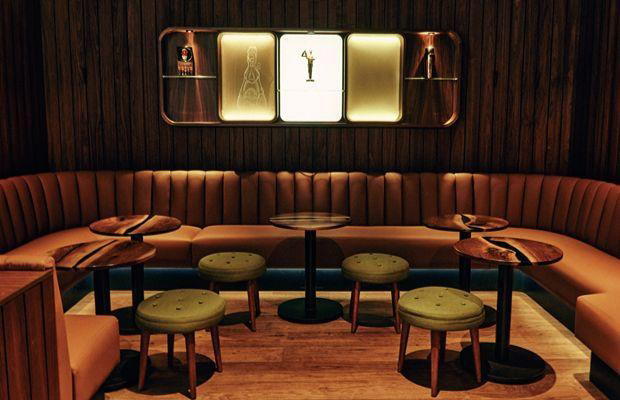
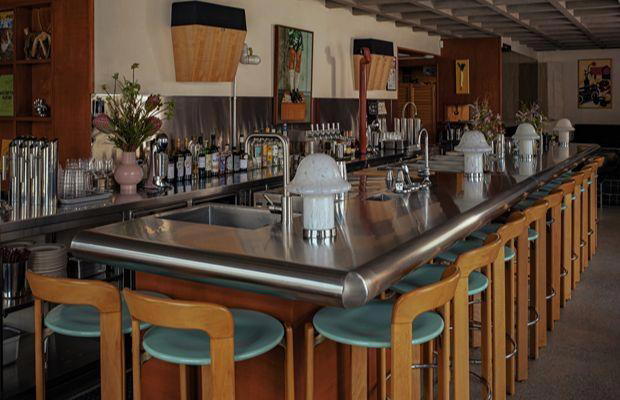
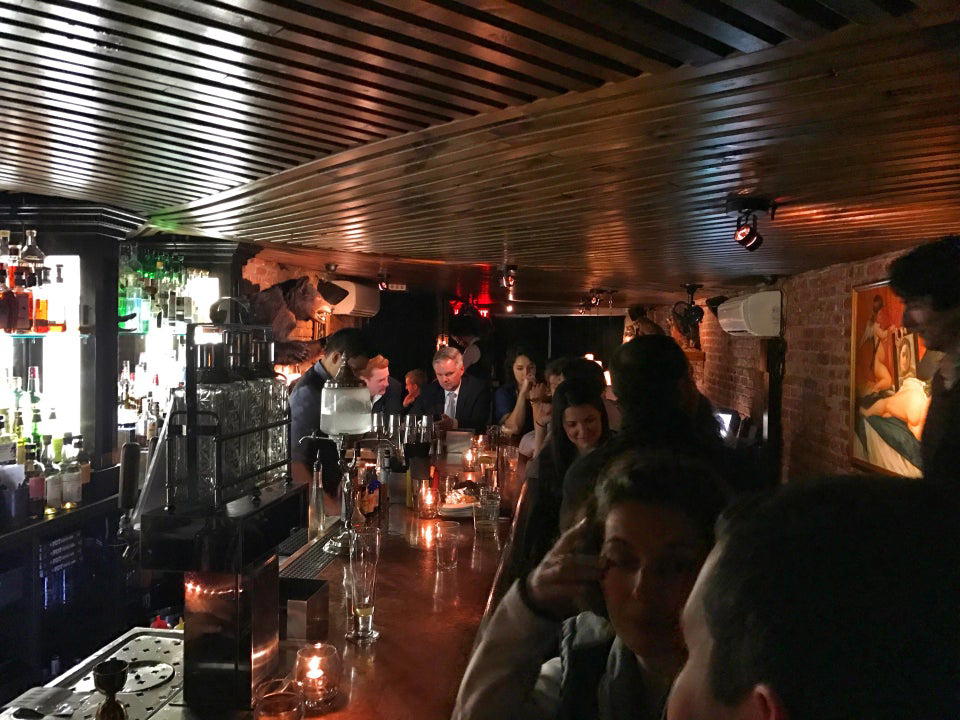
On Allen Street, the first clue is not a brass plaque or a hotel-lobby hush. It is the queue: a daily line that spills from the entrance and stretches down the block, turning a Lower East Side sidewalk into a waiting room for New York’s current cocktail fixation. Inside, the room is no longer a single mood. The front bar was fully renovated in late 2024 and reopened as Free Range, replacing the former soda-shop register of the space with a more arts-driven, multi-sensory setting. The back room, The Coop, keeps the darker lounge grammar: lower light, slower pacing, and drinks that ask for more attention than the average highball.
That split matters because New York cocktail culture has moved beyond the old hidden-door script. The city once rewarded bars that treated secrecy as sophistication; now the stronger programs are clearer about what they are doing. Double Chicken Please is not a speakeasy performance. It is a two-part argument about how a bar can behave like a kitchen without becoming a restaurant, and how design can sort the room by energy level before a drink arrives. The front room is easier, looser, closer to the neighborhood’s casual drinking rhythm. The back room is where the culinary-cocktail idea becomes the point of the evening.
The address, 115 Allen St, also gives the bar a useful tension. The Lower East Side has long mixed late-night looseness with serious food and drink, and that friction is part of the appeal. This is not Midtown polish or hotel-bar ceremony. It is a room built for guests who understand why a drink list might reference French toast, custard buns, cold noodles, pizza, or curry, and who are prepared to wait for a seat rather than treat the bar as a quick stop between dinner and a cab.
The culinary-cocktail trend, made literal
New York’s modern cocktail scene has become increasingly technical: clarified drinks, kegged service, culinary prep, savory structures, and menus that read closer to a tasting counter than a classic bar card. The Lower East Side version here is more direct than most. The drinks in The Coop are designed to represent meals, not merely echo ingredients associated with them. French Toast is listed with vodka, roasted barley brioche, coconut, milk, maple syrup, and egg. Custard Bun folds sake, palo cortado sherry, sparkling wine, koji, salted egg yolk, cacao pu’er tea, and palo santo into a drinkable reference point. Those compositions show why this address became shorthand for the city’s culinary-cocktail movement: it pushes past savory garnish and into full dish translation.
This is where atmosphere and menu reinforce each other. A bright, loud room would make the concept feel gimmicky. The Coop’s darker, sleeker mood gives the drinks enough seriousness without turning the evening into a lecture. The room is laid back, but not casual in the sense of throwaway. The guest has time to read, compare, and decide how far to follow the kitchen logic. Japanese Cold Noodle, with rum, pineapple, cucumber, coconut, lime, and sesame, sits on the fresher end of that spectrum. Key Lime Pie brings gin, plum, winter melon, sweet cream, egg white, lime, and soda into a dessert reference that remains recognizably a cocktail. Cold Pizza and Thai Curry move further into savory territory, where the appeal depends on curiosity as much as thirst.
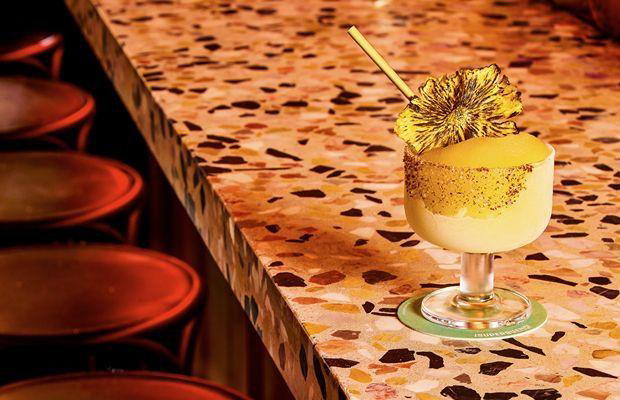
Free Range gives the concept an important release valve. The front bar’s kegged seasonal cocktails and beers suit guests who want a less concentrated version of the experience, while the drink names lean playful rather than reverent. Fxxking Little Brain, made with tequila, pisco, banana, coconut popcorn, and walnut, signals that technical ambition here does not require a stiff room. That balance has become increasingly rare in New York: bars either over-explain their methods or hide them behind mood lighting. Here, the design separates the tempos, and the menu lets the guest choose how deeply to engage.
Awards as evidence, not decoration
The bar’s awards record is unusually dense for a venue that opened its permanent New York location in autumn 2020. It debuted at No.6 in The World’s 50 Best Bars in 2022, reached No.2 in The World’s 50 Best Bars in 2023, and placed No.14 on that global list in 2024. On the regional list, it hit No.1 in North America’s 50 Best Bars in 2023, No.7 in 2024, and No.19 in 2025. It also appears as Top 500 Bars Leading Bars #49 in 2025 and carries a Pearl Recommended Bar citation for 2025. Those rankings do not make the drink in a glass more balanced by themselves, but they do explain the line outside and the way this bar is discussed far beyond the Lower East Side.
The comparison set is not simply New York neighborhood cocktail bars. It sits among internationally visible programs that have turned bar menus into structured concepts. In the city, that means it belongs in conversation with places such as Bar Contra, where restaurant technique and cocktail thinking share the same downtown vocabulary, and Martiny’s, where Japanese precision and New York townhouse intimacy create a different kind of controlled room. Sip & Guzzle and Superbueno further show how the city’s cocktail energy has spread across formats: split-level concepts, culturally specific flavor systems, and bars that treat hospitality style as part of the product.
Beyond New York, the relevant peer group includes American bars that have built identities around clarity of concept rather than sheer luxury. Bar Leather Apron in Honolulu shows how a smaller, technique-driven room can operate with serious national reach. Julep in Houston works from regional drinking history rather than culinary mimicry. Equal Measure in Boston gives another East Coast example of a bar shaped by precision and mood. The Lower East Side address differs because its strongest claim is architectural as much as liquid: two rooms, two speeds, one menu philosophy stretched across both.
Why the room matters
Atmosphere is often treated as an accessory in cocktail writing, but here it is part of the operating system. Free Range handles the guest who wants movement, lightness, and a less formal read of the concept. The Coop slows the night down. That design choice keeps the bar from collapsing under its own popularity. A single room serving both easy sippers and drinkable meals would blur the message; the two-room structure lets the guest select a register without needing a long explanation at the door.
The late-2024 renovation also tells a larger New York story. Bars that opened before or during the pandemic have had to decide whether to preserve opening-era identity or revise the room for a different public mood. Moving away from a soda-shop vibe toward an artsier front room suggests a venue adapting its physical language as its audience broadens. That shift is common in mature cocktail cities: once a bar becomes a destination, the space has to absorb first-timers, regulars, ranking-driven visitors, and neighborhood drinkers without treating all of them as the same guest.
The Google review rating, 4.4 in 2024, is another useful signal because it sits alongside awards rather than replacing them. Highly ranked cocktail bars often polarize guests who expect quick service, low prices, or familiar drinks. A public rating in that range, paired with a daily queue and international list recognition, indicates a room that has become popular enough to attract mismatched expectations. The editorial read is simple: this is a stronger choice for guests interested in concept, pacing, and drink architecture than for those looking for a spontaneous round in a quiet corner.
Food, format, and the Lower East Side rhythm
Bar’s food matters because the drinks already speak in culinary terms. The venue data points to high-quality bar food and calls out the Hot Honey Chicken Sandwich as the order to pair with the drinks. That is not incidental. In a room where cocktails reference French toast, noodles, custard, pizza, and curry, food can either compete with the concept or ground it. The sandwich reads as a practical counterweight: direct, savory, and easy to understand against drinks that may require a second reading.
Lower East Side drinking has always rewarded flexibility. A night can start with a low-commitment beer, turn into a serious cocktail, and end around food that is better than the hour requires. This address formalizes that pattern. Free Range covers the first part of the night, The Coop covers the concentrated middle, and the food offer keeps the experience from becoming a purely conceptual exercise. That structure helps explain why the bar has traveled so well in international rankings. It is not just a clever menu. It is a format that understands how New York nights actually unfold.
Readers building a wider trip around the city should treat this as part of a downtown drinks itinerary rather than an isolated trophy stop. The broader context sits in Our full New York City bars guide, while dinner planning belongs in Our full New York City restaurants guide. Hotels shape the practical side of a late Lower East Side evening, so Our full New York City hotels guide is useful for deciding whether to stay downtown or commute from uptown. For a broader editorial map beyond drinking, Our full New York City experiences guide and Our full New York City wineries guide place the bar within the city’s wider hospitality field.
Planning the evening
The practical issue is demand. The venue record does not provide phone number, website, hours, price range, seating count, dress code, or a stated booking method, so planning should begin with the visible reality on Allen Street: there is a daily queue, and the bar’s awards history keeps bringing new visitors to the door. For New York City, that means treating arrival time as part of the experience rather than an afterthought. Guests who want The Coop should assume a more competitive path than those content with a front-room drink, because the back-room format is the more concept-driven portion of the address.
Price is not listed in the database record, so no responsible guide should invent a spend. The safer read comes from peer set and recognition. A bar with North America’s 50 Best Bars No.1 in 2023, The World’s 50 Best Bars No.14 in 2024, and a Lower East Side queue is not positioned like a casual beer stop, even when the front room keeps a lighter tone. Plan as for a serious cocktail bar: allow time, avoid stacking a tight dinner reservation immediately after, and decide in advance whether the priority is the easier Free Range atmosphere or the more deliberate Coop menu.
The founding story is relevant only because it explains the format’s maturity. GN Chan and Faye Chen began with a vintage yellow VW minibus in 2017, hosting cocktail pop-ups before settling into the permanent Lower East Side location in 2020. That timeline matters in a city where many concepts appear fully formed for opening week and then fade. This one had years to test the relationship between mobility, performance, and drink structure before becoming a fixed room. The result is not a personality shrine. It is a bar whose physical design and menu language show the benefit of a concept worked through before the awards arrived.
How It Stacks Up
A fast peer set for context, pulled from similar venues in our database.
| Venue | Cuisine | Price | Awards | Notes |
|---|---|---|---|---|
| Double Chicken Please | World's 50 Best | This venue | ||
| The Long Island Bar | World's 50 Best | |||
| Dirty French | ||||
| Superbueno | World's 50 Best | |||
| Amor y Amargo | World's 50 Best | |||
| Angel's Share | World's 50 Best |
Continue exploring
More in New York City
Bars in New York City
Browse all →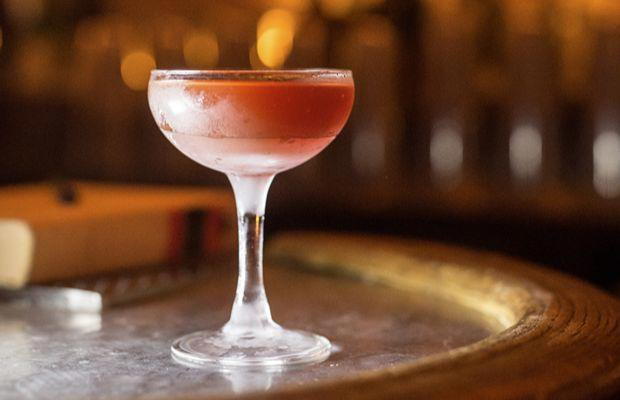
Restaurants in New York City
Browse all →
Hotels in New York City
Browse all →


At a Glance
- Trendy
- Intimate
- Modern
- Cozy
- Date Night
- Casual Hangout
- Speakeasy
- Design Destination
- Seated Bar
- Lounge Seating
- Craft Cocktails
Dimly lit lounge with low seating around small tables, artsy multi-sensory space, trendy speakeasy vibe.