

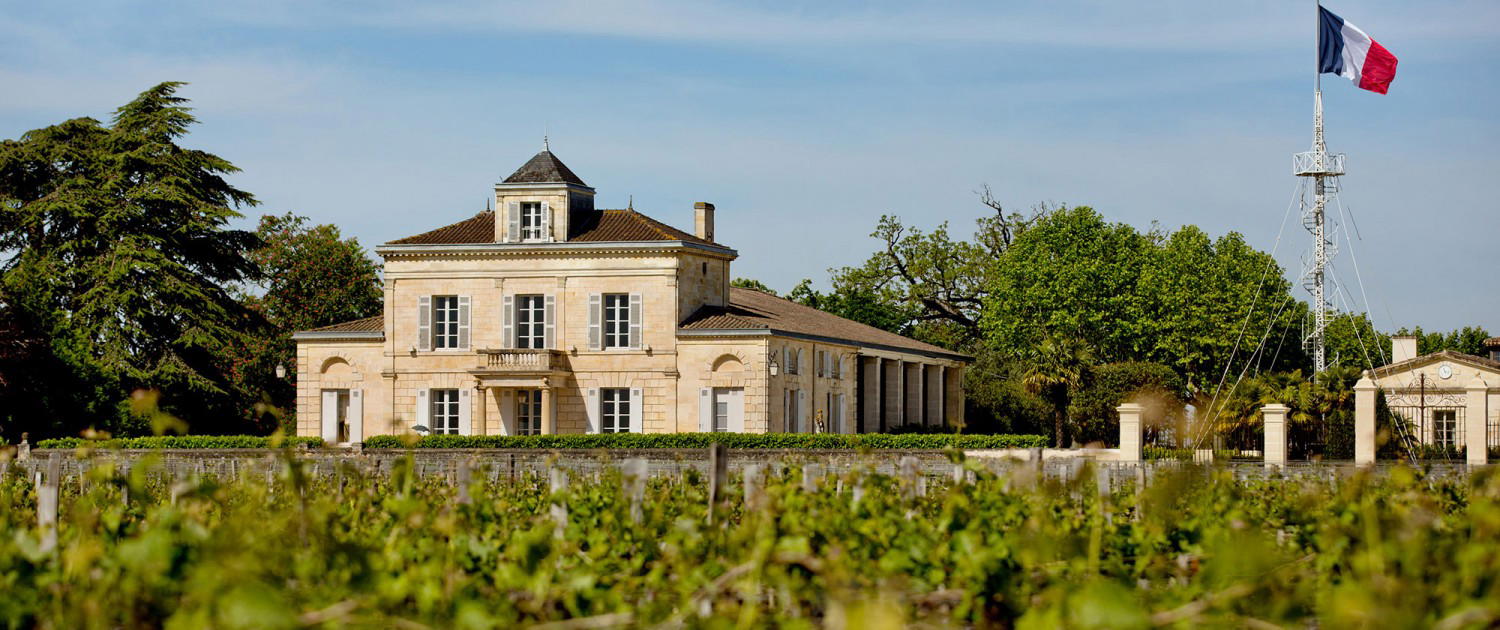
<strong>Chateau Mouton Rothschild</strong> sits at the art-and-terroir end of <strong>Pauillac</strong>’s Cabernet-led hierarchy, with a first vintage recorded in 1780 and <strong>Pearl 5 Star Prestige</strong> recognition for 2025. Its modern identity is tied not only <strong>to classified-growth Bordeaux</strong>, but to the post-1945 artist-<strong>label tradition</strong> that turned each vintage into a cultural document as well as a wine release.
 Discover on Pearl
Pearl is the En Primeur Club membership app — saves, bookings, and concierge access live there. Same editors, same standards.
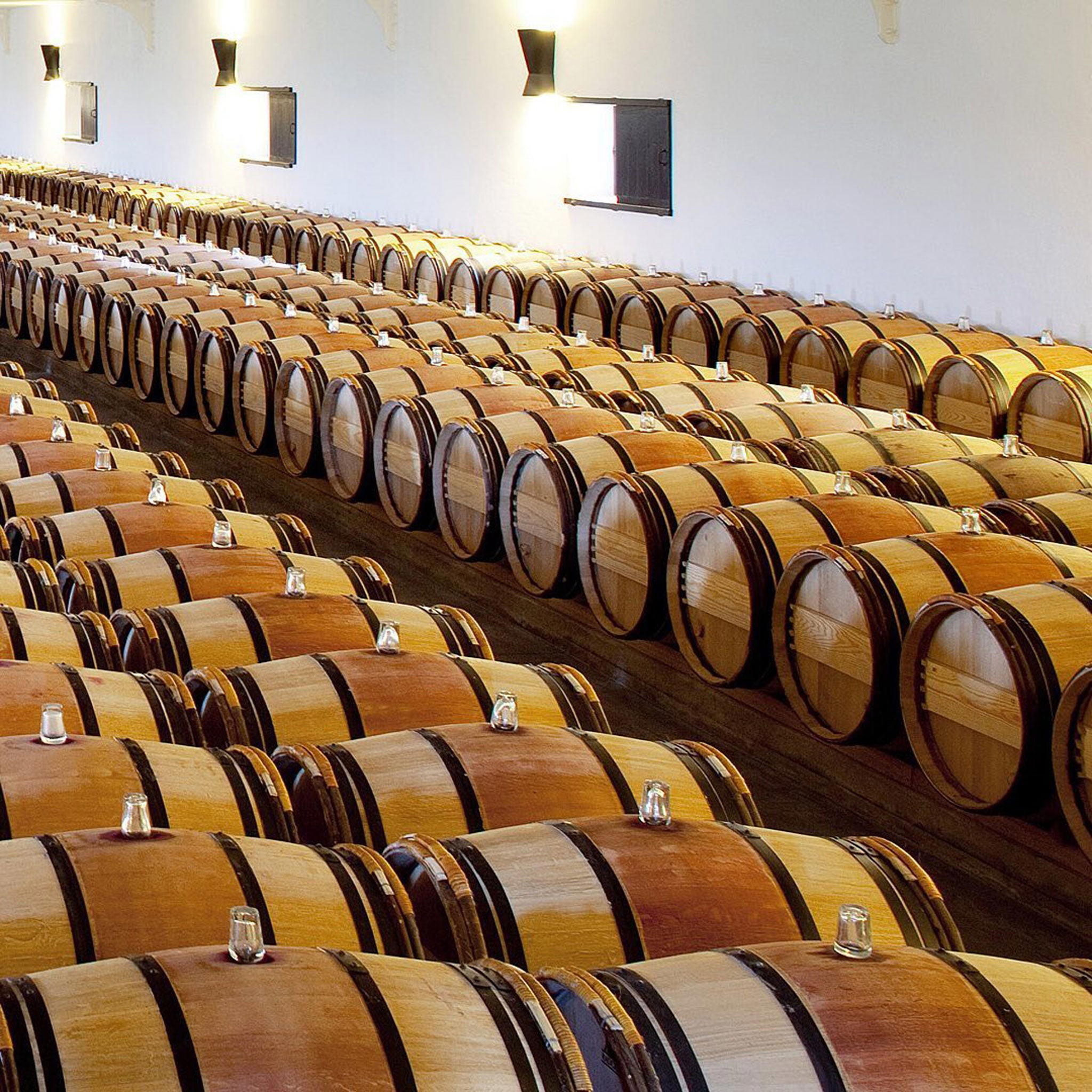
Approaching Pauillac Through Gravel, Cabernet and Patronage
The road into Pauillac has a particular restraint: low vineyard rows, pale gravel, Gironde light, and châteaux that signal status through order rather than spectacle. This is Médoc country at its most legible, where Cabernet Sauvignon finds the drainage, warmth and slow ripening it needs, and where the architecture of wine is inseparable from the architecture of classification. Chateau Mouton Rothschild belongs to this range of deep gravel and long memory, but its distinction is not only agricultural. In a commune defined by classified growths and left-bank hierarchy, it has attached the language of art to the language of vintage, turning label, cellar and bottle into parts of the same cultural argument.
Pauillac’s strength is its clarity. The wines of the commune are usually discussed through structure, cassis, graphite, cedar and longevity, but those terms matter only because the land gives Cabernet a disciplined frame. Gravel ridges store heat and shed water; proximity to the Gironde moderates frost risk and temperature swings; the leading sites turn ripeness into architecture rather than sweetness. In that context, Mouton’s 1780 first vintage places it inside a lineage older than modern wine tourism and older than the current luxury vocabulary around Bordeaux. The chateau’s Pearl 5 Star Prestige recognition in 2025 adds a contemporary trust signal, but the more telling credential is continuity: a property whose modern public image has been built vintage by vintage, not season by season.
Why Terroir Carries More Weight in Pauillac Than Theatre
Pauillac does not need theatrical explanation. The commune’s reputation rests on Cabernet-led wines that can take decades to resolve, and on a vineyard culture where small differences in drainage, exposure and subsoil shape the scale of the finished wine. This is why comparisons within Pauillac are more useful than broad Bordeaux generalities. Château Batailley, Château Grand-Puy-Ducasse, Château Haut-Bages-Libéral and Château Pédesclaux all help define the local conversation, each giving a different reading of the same commune’s gravelly seriousness. Mouton sits in that peer field as a name where terroir expression has been amplified by cultural visibility.
The practical effect for a serious drinker is that Pauillac should be read horizontally as much as vertically. A vertical tasting follows time, but a Pauillac comparison follows place: the firmness of tannin, the shape of fruit, the way oak either frames or interrupts the wine, and the point at which Cabernet moves from primary force into secondary detail. Château d’Armailhac, connected to the same local orbit, underlines how concentrated this commune is: a short stretch of the Médoc can contain estates of different public scale while drawing from the same broad environmental grammar. For readers mapping the area beyond one cellar door, Our full Pauillac wineries guide gives the broader frame.
The 1945 Label Tradition and the Vintage as Cultural Record
The Rothschild family’s annual artist-label commission, begun with the 1945 vintage and continued every year since, is not a decorative side note. It changed the way one Bordeaux label could operate in public culture. The database record names Picasso, Dalí, Miró and Bacon among the artists associated with this tradition, a roster that places the bottle in dialogue with twentieth-century art as well as wine collecting. In Bordeaux, where labels often lean on heraldry, château drawings and inherited typefaces, this program created a second reading of vintage: one agricultural, one artistic.
That matters because Bordeaux is an unusually archival wine region. Vintage charts, en primeur campaigns, critic reports and cellar records already encourage drinkers to treat bottles as documents. Mouton’s label tradition intensifies that habit. A bottle becomes an object from a specific year, shaped by growing season and by the artist selected to mark it. The practice also makes the estate easier to discuss outside wine circles, which is rare in a region whose hierarchies can be opaque to newcomers. The art does not replace terroir; it gives terroir a public-facing memory system.
This is where Mouton diverges from many prestige estates. The artistic commission creates recognition before the cork is pulled, but the wine must still answer to Pauillac’s stricter test: structure, ageing potential and the tension between power and control. Serious collectors may be drawn first by the label, yet the commune’s reputation is sustained in the glass by gravel, Cabernet and time. The stronger editorial reading is not that art made the wine famous; it is that a powerful wine estate found a cultural language capable of carrying vintage identity across generations.
Philippe Dhalluin and the Discipline of Modern Bordeaux
Winemaker Philippe Dhalluin appears in the estate record, and his presence points to a wider shift in Bordeaux over the last several decades: less tolerance for rusticity, greater precision in selection, and a more technical understanding of ripeness. The useful point is not biography. It is that modern Pauillac is judged by how well it can preserve its structural authority while avoiding excess. In a warm year, the challenge is not simply ripeness; it is proportion. In a cooler year, the challenge is not austerity alone; it is whether the wine carries enough mid-palate substance to age with dignity.
The terroir-expression angle is especially important here because Pauillac can be caricatured as power. The better reading is architecture. Cabernet grown on well-drained gravel often produces wines with firm tannic lines, dark-fruit registers and a mineral or graphite association that drinkers use as shorthand for place. Those descriptors are not guaranteed by the commune name, and they should not be lazily applied to every bottle. But they explain why Pauillac commands attention in blind tastings and collector cellars: the wines often speak in structure before they speak in aroma.
Across France, other regions make different claims for place. Château Durfort-Vivens in Margaux belongs to a neighboring appellation often associated with a different register of Cabernet expression. Château Simone in Meyreuil sits in a Provençal context where limestone, altitude and Mediterranean exposure create a separate vocabulary. Domaine François Lamarche in Chablis draws attention to the way northern white Burgundy reads soil and climate through Chardonnay rather than Cabernet. These comparisons do not flatten regional differences; they sharpen them. Pauillac’s identity depends on Cabernet’s ability to translate gravel into longevity.
How Mouton Fits the Pauillac Hierarchy
Pauillac is unusually dense with estates that matter to collectors, critics and sommeliers, which means status there is never abstract. It is measured against neighbors. Mouton’s place in that conversation is reinforced by its long historical record, its 1780 first vintage, its Rothschild stewardship, its annual artist-label program, and its Pearl 5 Star Prestige recognition in 2025. Those signals put it in a cultural and collecting tier where bottle identity, vintage reputation and cellar demand intersect.
The comparison also explains why the address matters. The database lists Château Mouton Rothschild, 33250 Pauillac, which places the experience in the commune itself rather than in a satellite tasting room or urban showroom. That matters for travelers because Pauillac is not a city-break wine destination in the way Bordeaux city can be. It is a vineyard commune with a practical rhythm shaped by appointments, château gates, harvest calendars and rural roads. The better itinerary gives the appellation time instead of treating it as a drive-by name. Pairing a major estate visit with another classified-growth stop makes more sense than rushing between distant communes.
For context outside the cellar, Pauillac’s hospitality scene is compact and seasonal compared with larger French wine towns. Our full Pauillac restaurants guide is useful for planning lunch around château appointments, while Our full Pauillac hotels guide helps identify whether to sleep in the commune or use Bordeaux as a base. Evening options require the same realism: Our full Pauillac bars guide and Our full Pauillac experiences guide frame the town as a wine-focused base rather than an all-hours resort.
What the Atmosphere Should Tell You
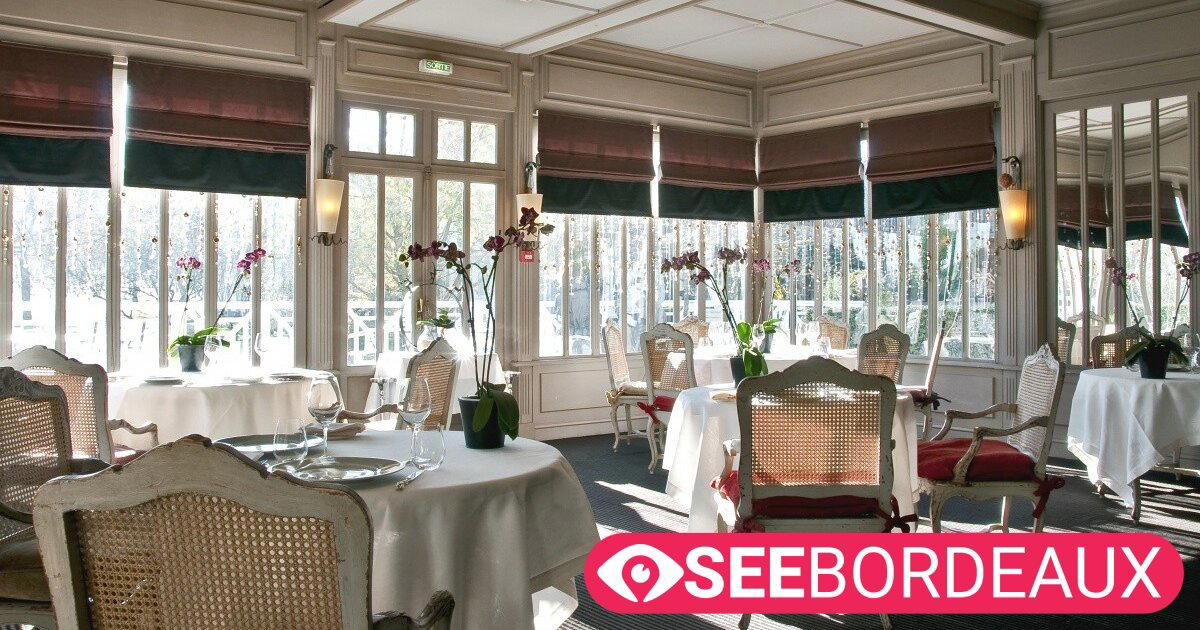
At a Pauillac first-growth address, atmosphere is rarely about informality. Expect the codes of a serious wine estate: controlled movement, a sense of procession through property and cellar, and an emphasis on history as part of the visit. Because the database does not provide public hours, phone details, website information or a stated booking method, planning should be conservative. Treat access as appointment-led unless verified directly through current official channels, and build slack into the day for rural travel, security procedures and the slower pace of estate visits.
The absence of listed price data also matters. Bordeaux prestige experiences can vary substantially depending on format, language, tasting depth and whether a visit is private, trade-facing or part of a broader itinerary. Without verified pricing in the venue record, the responsible reading is not to estimate. The useful advice is to decide what kind of comparison the visit should serve. For a terroir-focused day, pair Pauillac with another estate in the commune. For a broader Left Bank study, compare Pauillac’s structure with Margaux’s different profile. For an art-and-wine itinerary, Mouton’s post-1945 label tradition gives the visit a cultural anchor that many châteaux do not possess.
International comparisons can help calibrate expectations. Bodegas Ysios in Laguardia is associated with a more architectural, design-forward Rioja encounter, while Cakebread Cellars in Rutherford belongs to Napa Valley’s visitor-oriented estate culture. Pauillac operates with a different social grammar: more hierarchy, more appointment discipline, less casual drop-in energy. That does not make it colder. It makes the codes clearer.
How to Read the Wine Before the Label
Mouton’s label tradition can distract from the central question: what does the wine say about Pauillac? A useful approach starts with structure. In young Cabernet-led Bordeaux, tannin often speaks before charm. The point is not immediate softness but alignment: fruit, tannin, acidity, oak and alcohol moving in proportion. Mature bottles ask a different question, whether the wine has converted its early density into complexity without losing its frame. That is where terroir expression becomes more than a phrase. Soil and climate matter because they determine whether structure feels imposed or grown into the wine.
Collectors often discuss Mouton through famous vintages and artist labels, but serious comparison should include less theatrical variables: vintage conditions across the Médoc, selection standards, drinking window, provenance and storage. A bottle with a acclaimed label but weak provenance is a compromised historical object. A less visually famous vintage from a strong cellar can be the better educational drink. Pauillac rewards patience, but it also punishes vague buying. The commune’s wines are built for time, and time is only an asset when storage and authenticity are handled with discipline.
Planning a Pauillac Day Around Chateau Mouton Rothschild
Because no official phone number, website, hours or booking method are provided in the record, travelers should verify current access before building an itinerary around the estate. The address is Château Mouton Rothschild, 33250 Pauillac, and the sensible plan is to keep the day local: one major château visit, one nearby comparative estate, and a meal that does not force a tight transfer. Pauillac rewards concentration. A day split between too many appellations turns the Médoc into scenery rather than study.
Season matters in Bordeaux. Harvest periods can affect access and atmosphere, while winter visits may be quieter but less expansive in daylight and vineyard activity. Spring and early autumn often give the cleanest balance for travelers seeking vineyard context without the pressure of peak summer movement. These are general regional planning principles, not venue-specific guarantees. The important point is to align timing with the purpose of the visit: vineyard observation, cellar education, collecting research or cultural interest in the artist-label archive.
For a serious itinerary, the stronger pairing is not necessarily the famous-name sprint. It is a comparison that teaches the palate something. Mouton against another Pauillac estate frames differences within shared gravel and Cabernet conditions. Mouton against Margaux highlights commune contrast. Mouton against a non-Bordeaux region, studied later through bottles or travel, shows how much of wine identity is local climate discipline rather than prestige language. That is the reason Pauillac remains such a useful reference point: it turns terroir into structure with unusual consistency.
Peers Worth Knowing
A small comparison set for context, based on the venues we track.
Continue exploring
More in Pauillac
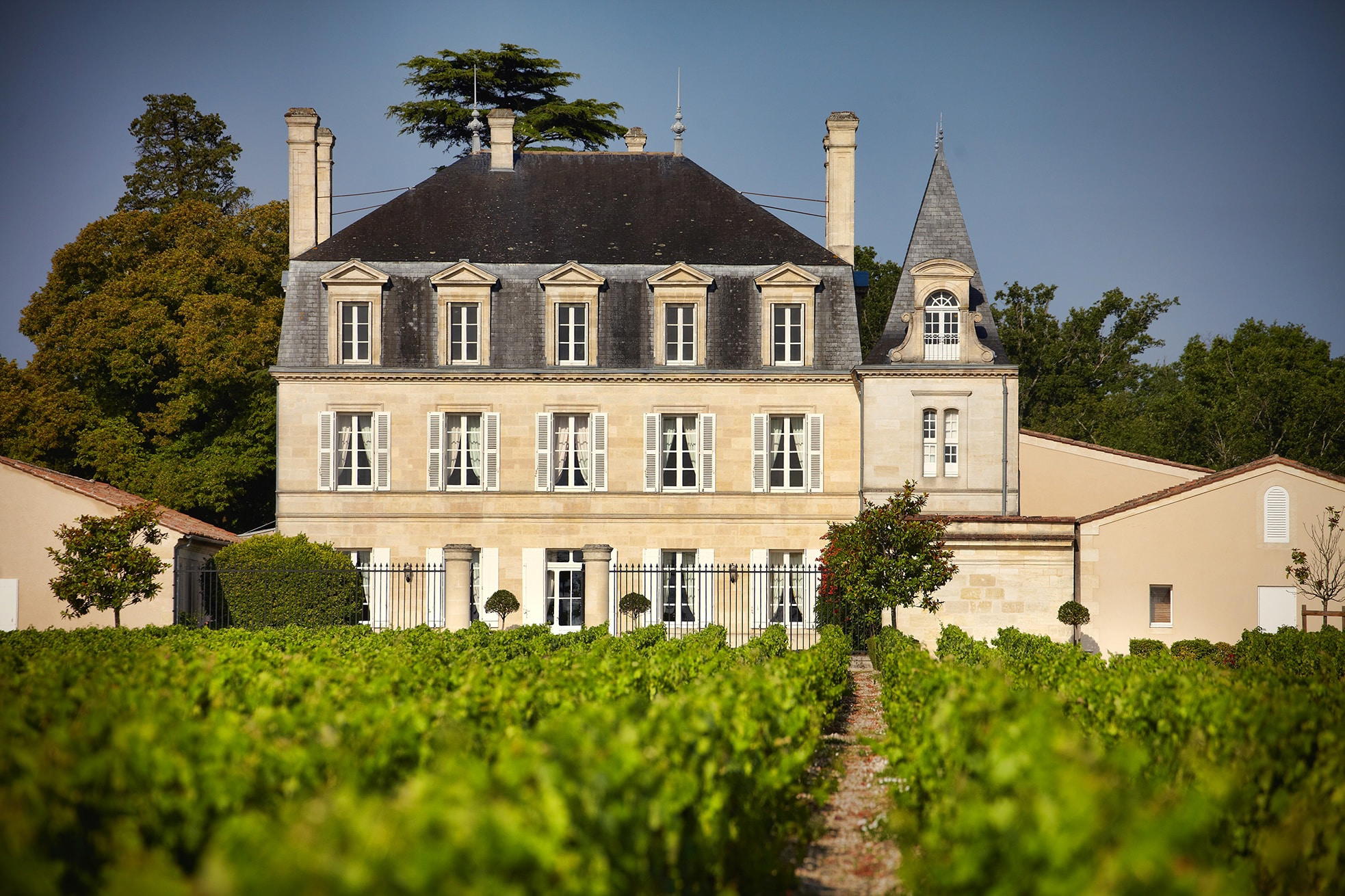
Wineries in Pauillac
Browse all →
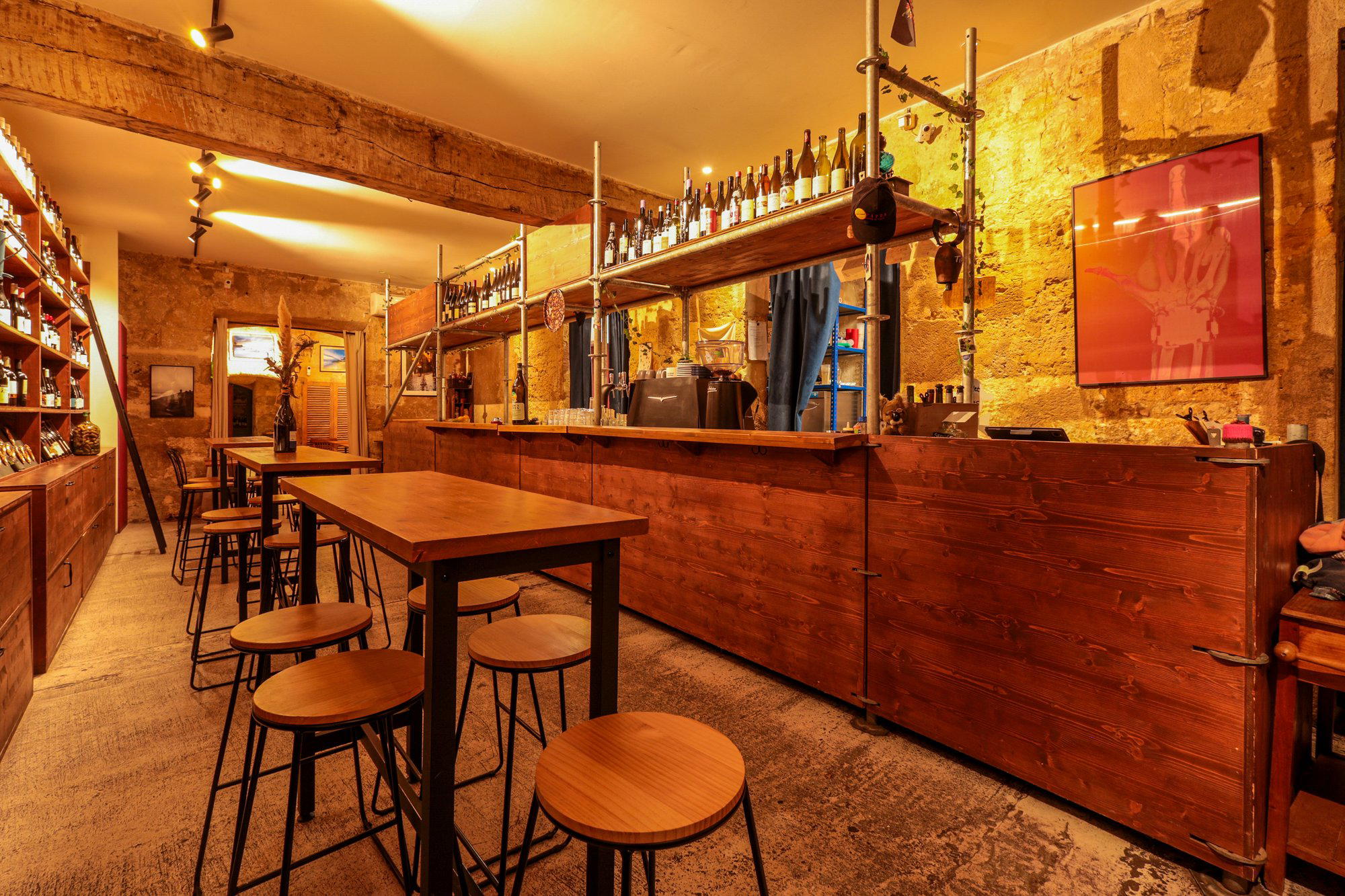
Bars in Pauillac
Browse all →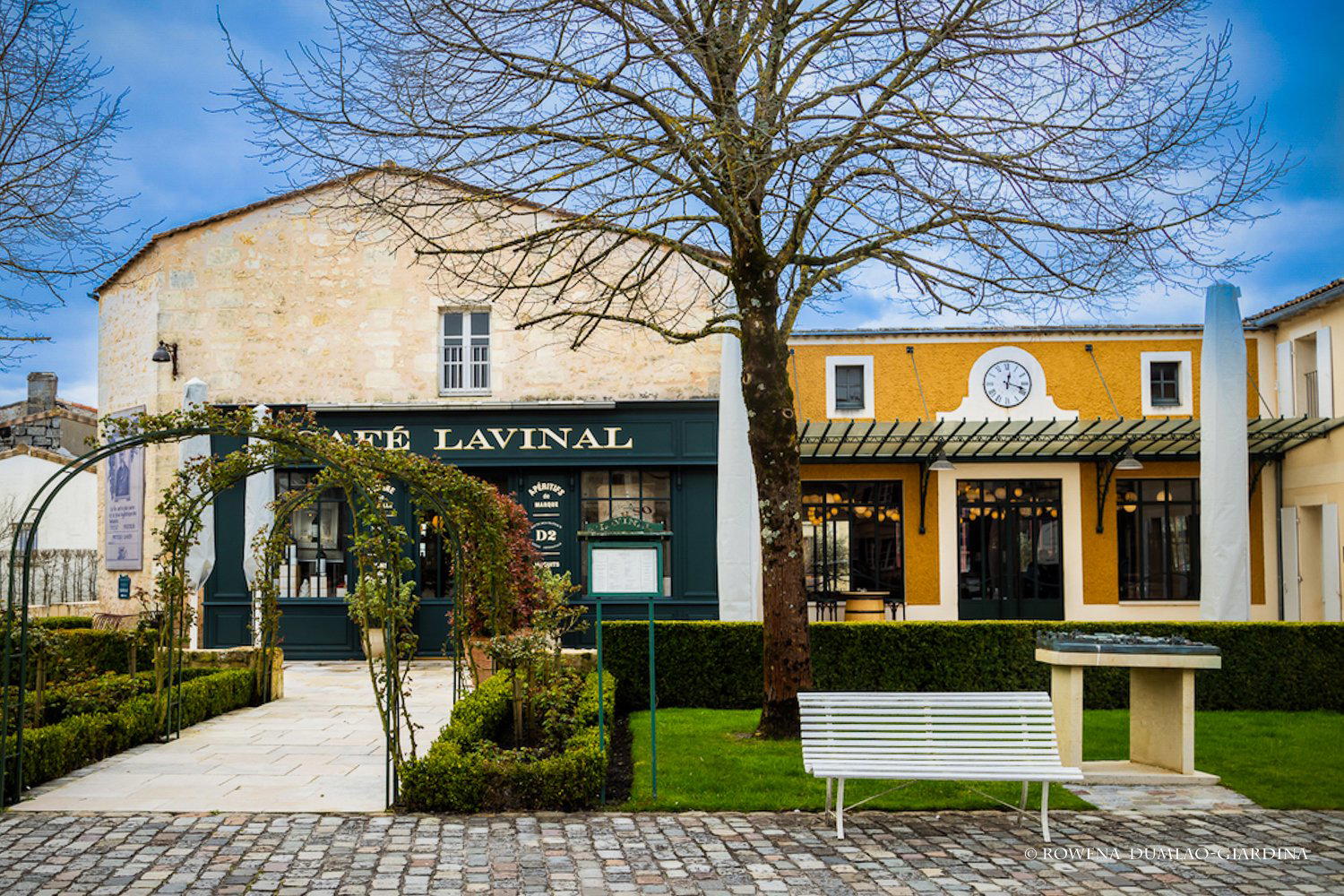
Restaurants in Pauillac
Browse all →
At a Glance
- Elegant
- Sophisticated
- Iconic
- Classic
- Opulent
- Special Occasion
- Wine Education
- Vineyard Tour
- Historic Building
- Private Tasting
- Vineyard
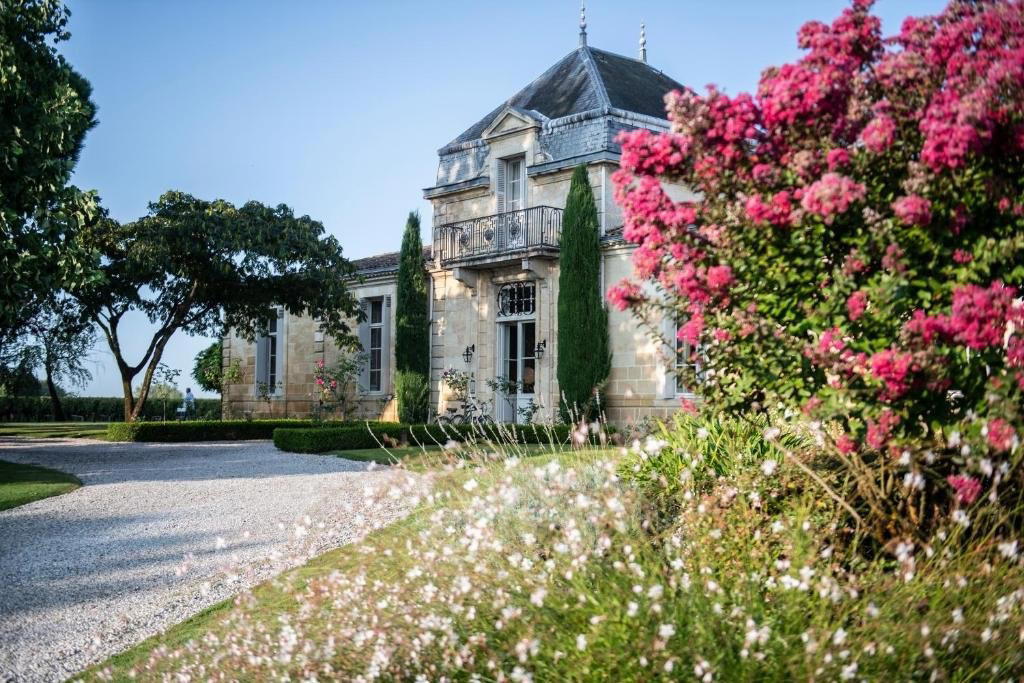
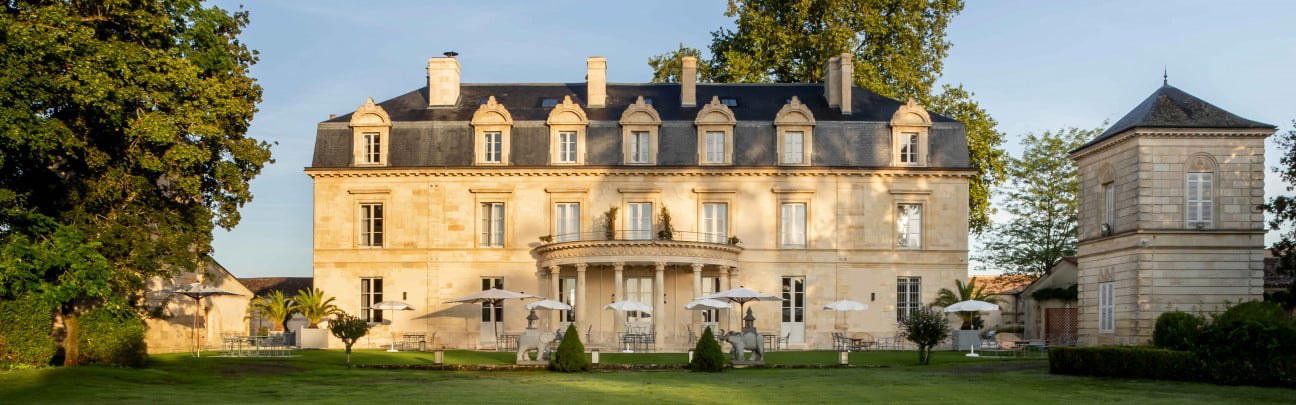
Opulent and historic with beautiful fermentation rooms, grand chai, art galleries, and a sophisticated tasting atmosphere.