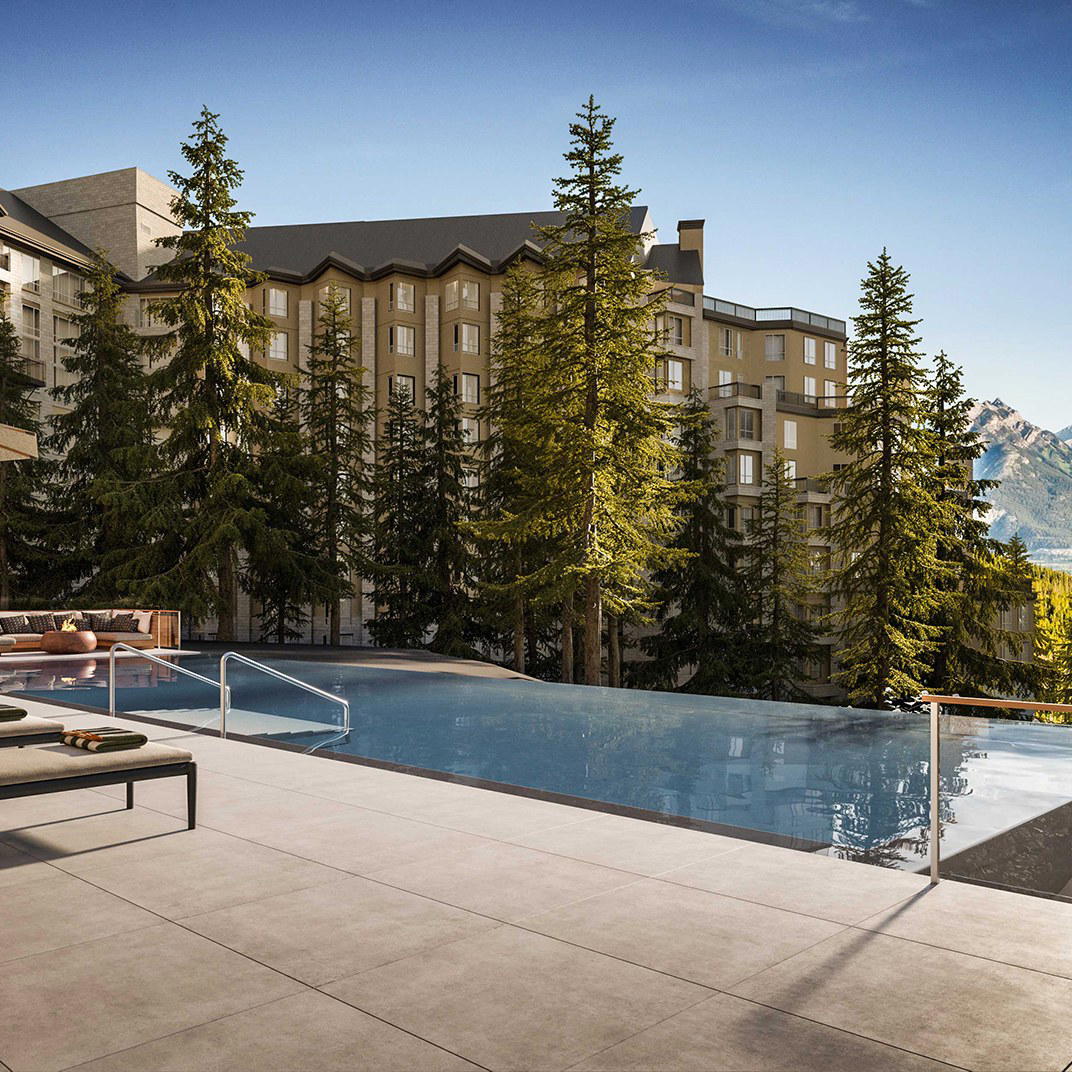
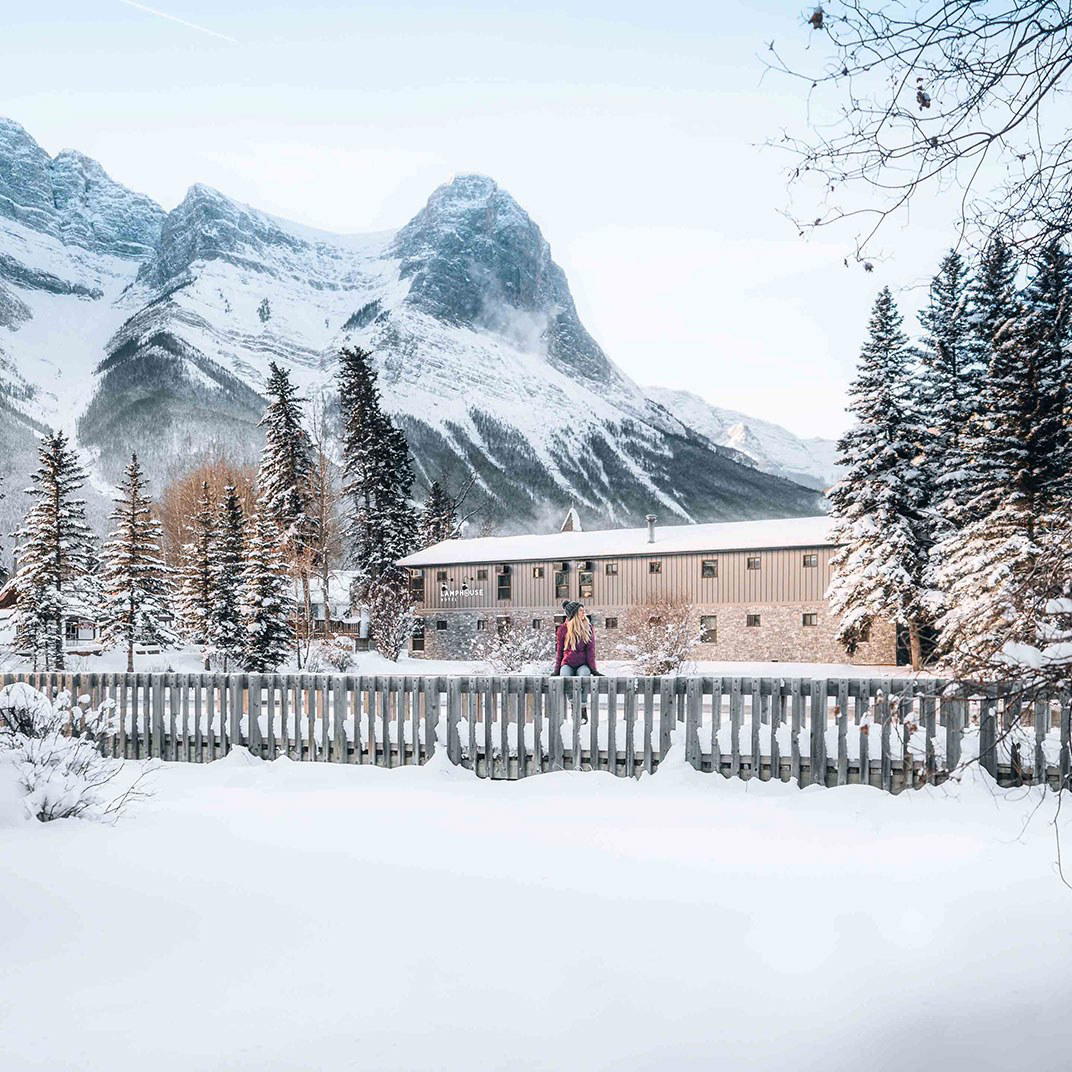
Buffalo Mountain Lodge sits on Tunnel Mountain Road above the townsite of Banff, offering hand-hewn log construction and a design rooted in the Arts and Crafts tradition of the Canadian Rockies. The property occupies a quieter position than the valley-floor hotels, making it a considered choice for travellers who prefer a cabin-scale atmosphere without sacrificing proximity to the national park's main attractions.
Pearl is the En Primeur Club membership app — saves, bookings, and concierge access live there. Same editors, same standards.
- Address
- 700 Tunnel Mountain Rd, Banff, AB T1L 1B3, Canada
- Phone
- +1 800 661 1367
- Website
- crmr.com
- Directions
- Get directions
 Saves & bookings on Pearl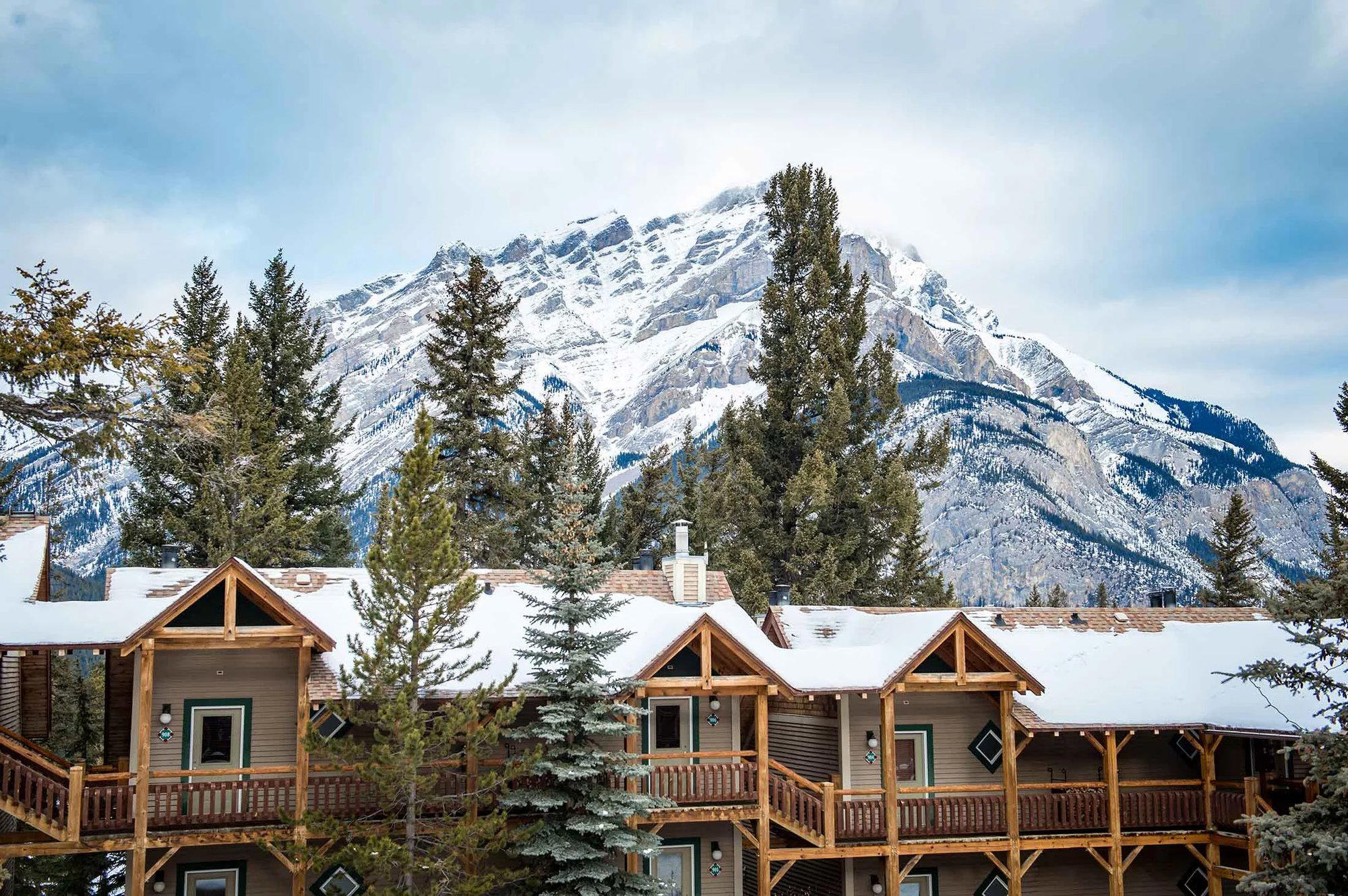
Timber, Stone, and the Architecture of Rocky Mountain Shelter
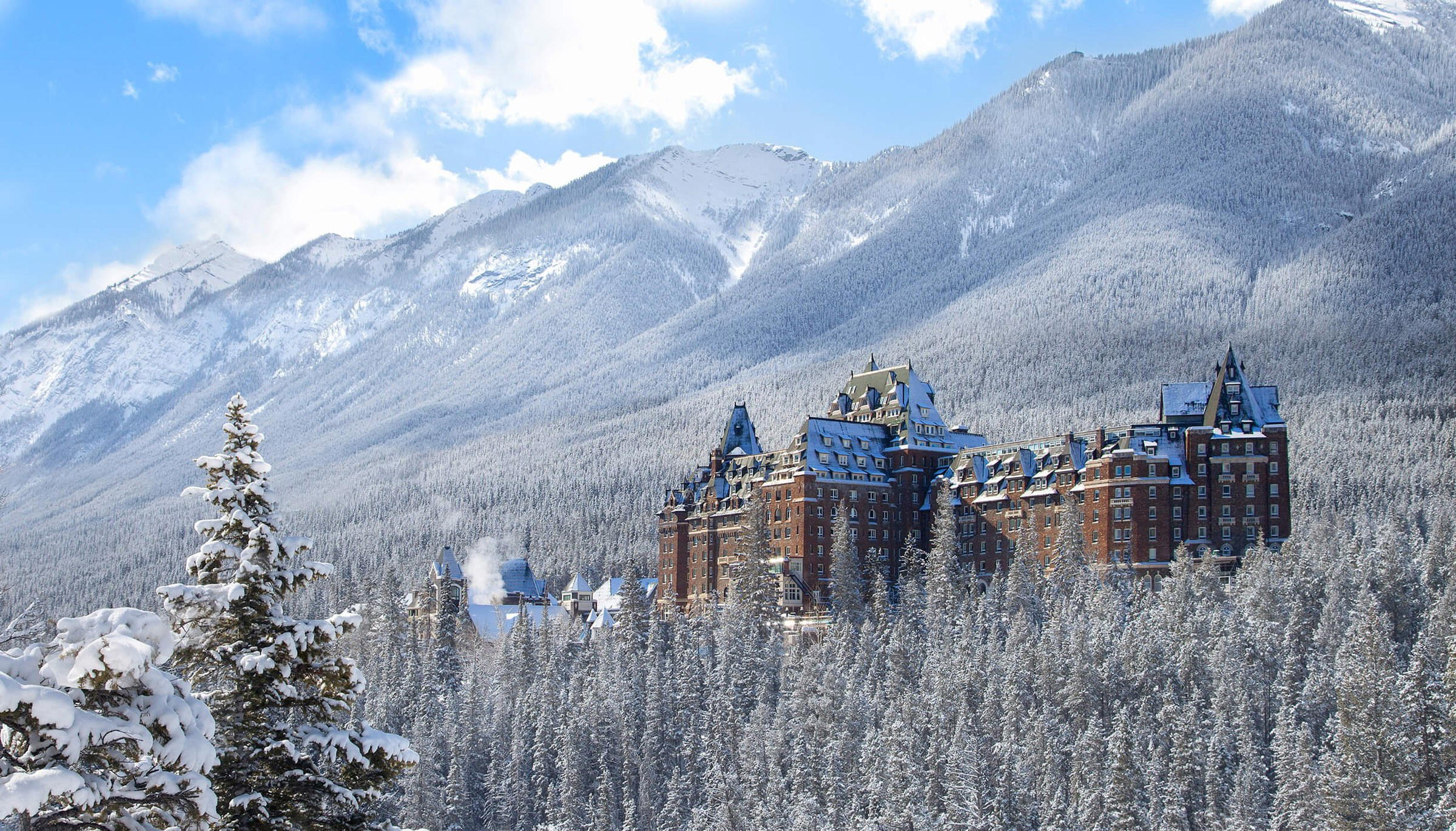
The log-lodge tradition in the Canadian Rockies is not a decorative choice, it is a structural argument about how buildings should relate to mountainous terrain. Buffalo Mountain Lodge, a 4-star hotel in Banff at 700 Tunnel Mountain Rd, sits inside that tradition with a degree of material commitment that distinguishes it from the valley's grander hotel operations. Where the Fairmont Banff Springs reads as a Scottish baronial castle transplanted to the Bow Valley, Buffalo Mountain Lodge operates in a quieter register: hand-hewn log construction, pitched rooflines designed to carry snow load, and an aesthetic closer to the Arts and Crafts movement than to the railway hotel tradition that shaped so much of the region's hospitality vocabulary.
That distinction matters more than it might seem. The Canadian Rockies have two dominant hotel typologies at the upper end of the market: the grand resort flagship, represented here by the Fairmont brand's two Banff-area properties, the Springs and the Fairmont Chateau Lake Louise, and the smaller, lodge-format property that prioritises material warmth and spatial intimacy over ballroom capacity and branded F&B; programs. Buffalo Mountain Lodge occupies that second category, and the architecture is one direct expression of its positioning.
The Physical Language of the Property
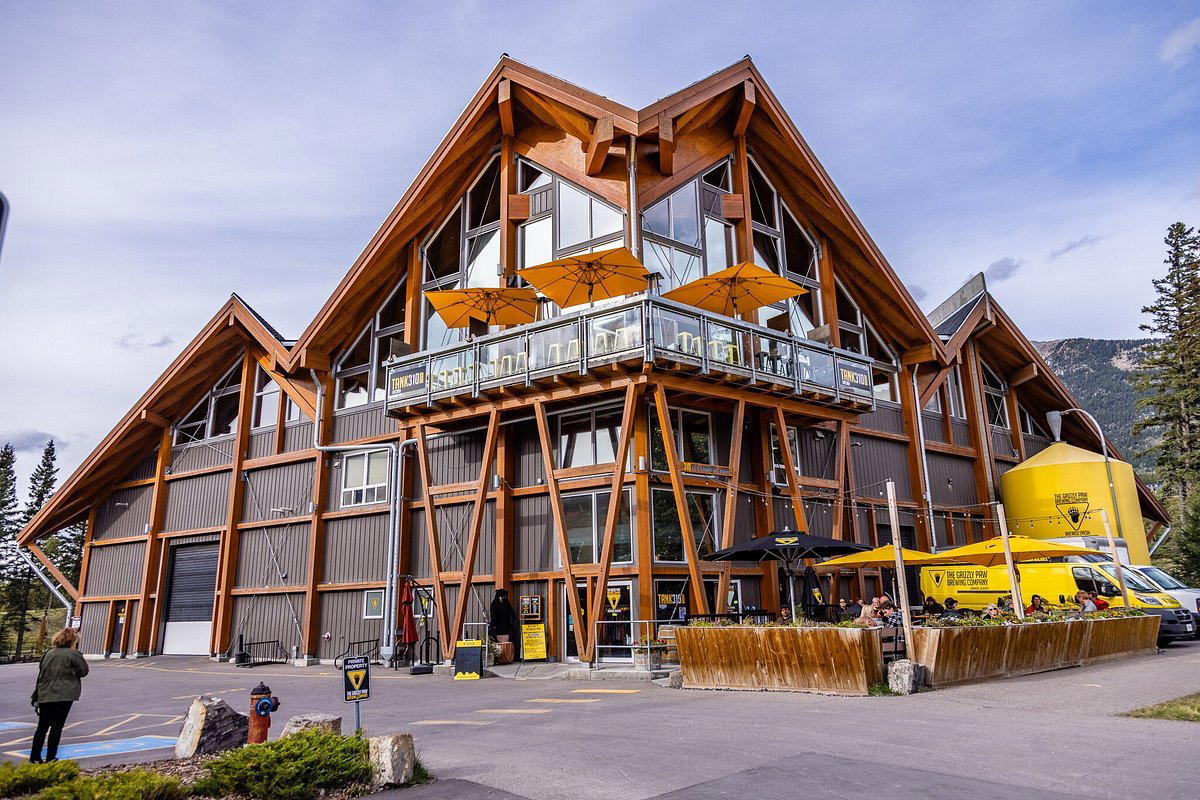
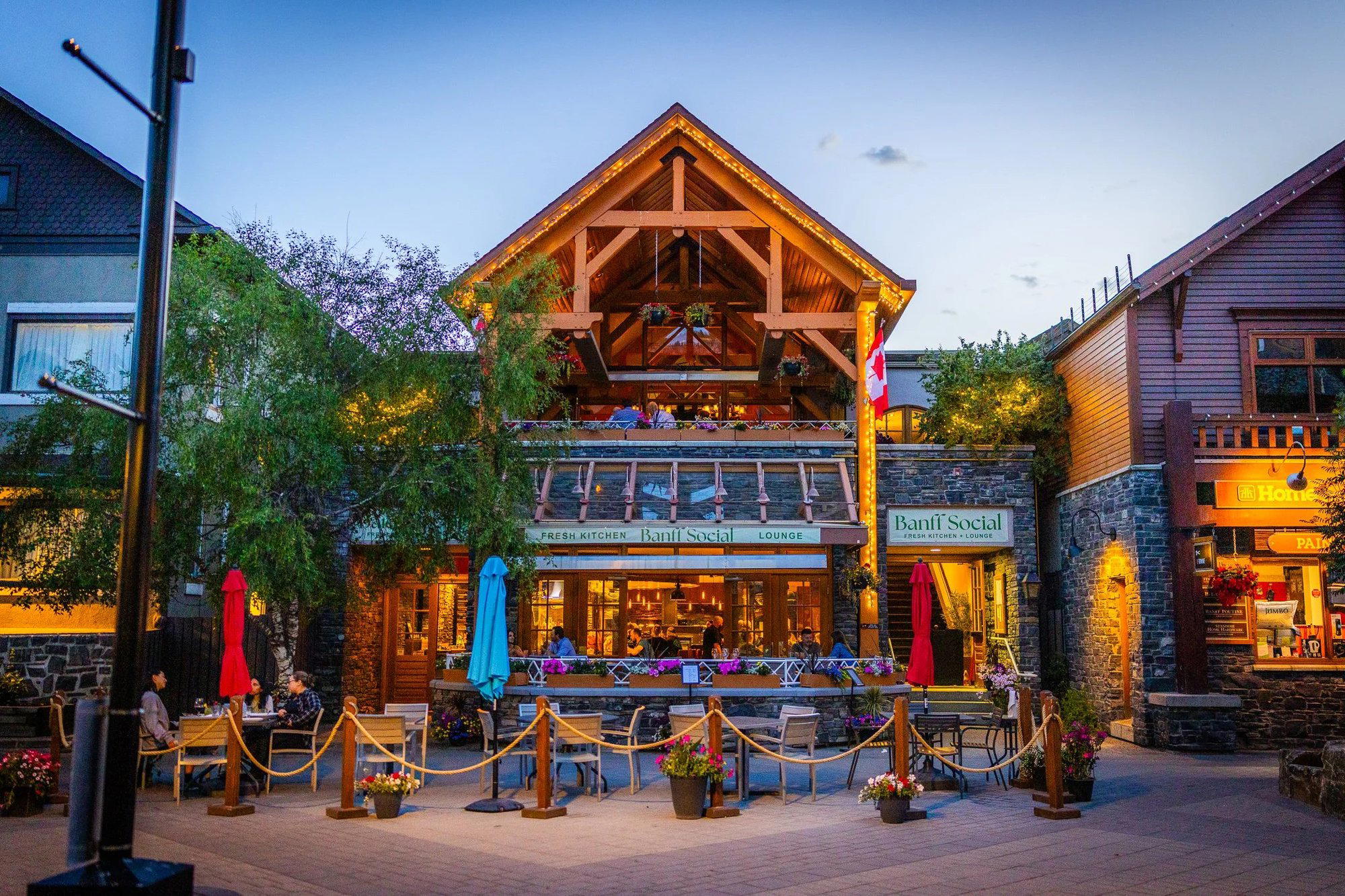
Approaching the lodge along Tunnel Mountain Road, the building reads as a series of interconnected log structures rather than a single monolithic block. This fragmented massing is a deliberate architectural strategy common to high-quality wilderness lodges in North America: it reduces visual weight, allows each unit or cabin cluster to relate more directly to the site's topography, and creates the sense of arriving at a compound rather than a hotel. The effect is reinforced by the use of natural stone at ground level and exposed timber framing throughout the common areas, materials that age visibly and read as local even when sourced from some distance.
This approach places the hotel in a broader category of Canadian properties that have made architecture their primary hospitality argument. Fogo Island Inn in Joe Batt's Arm does this at a more radical formal scale; Clayoquot Wilderness Lodge in Tofino does it through site remoteness and canvas-and-timber construction. The hotel's version is more accessible, it is within walking distance of the Banff townsite, but the design intention is comparable: the building should feel like a specific response to a specific place, not a portable hospitality format dropped into a scenic setting.
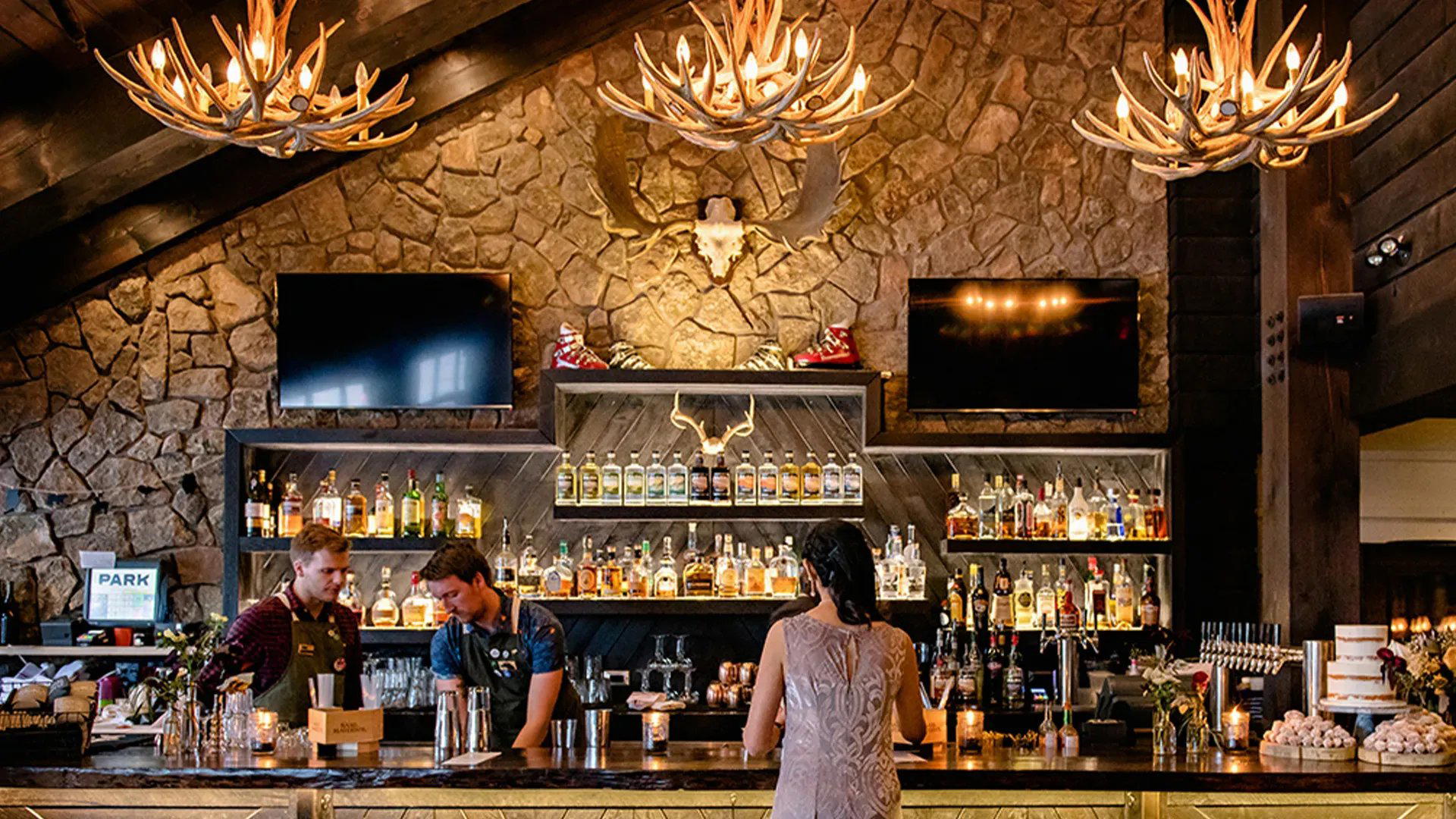
The interior common areas reinforce the architectural proposition. Fireplaces scaled for the room rather than for effect, timber ceiling structures that reference traditional post-and-beam construction, and a palette drawn from the surrounding forest and rock rather than from trend cycles: these are the signals of a property that has made a long-term design commitment rather than a periodic renovation refresh. In the Canadian mountain lodge category, that consistency is rarer than the abundance of log-clad properties might suggest.
Position Within the Banff Accommodation Tier
Banff's accommodation market has a sharp price and format spread. At one end sit the Fairmont-operated flagships, with the Fairmont Gold tier at Banff Springs representing the market's ceiling for service-layer differentiation. At the other end are the townsite motels and budget hostels that serve the national park's high-volume visitor base. The hotel operates in the mid-to-upper tier of this spread, below the Fairmont price point but above the commodity accommodation layer, in a segment where design quality, location specificity, and atmosphere do most of the competitive work.
For context on how mountain-adjacent properties at this tier perform elsewhere in Canada: Fairmont Chateau Whistler and the broader Whistler market show that mountain resort towns consistently support a mid-to-upper lodge category that prioritises activity access and physical environment over F&B; programming. The Deer Lodge in the Lake Louise area represents a close geographic and conceptual peer: a historic log property that positions on heritage and material authenticity rather than scale. The hotel competes in a similar register, with Tunnel Mountain's elevation providing a degree of spatial separation from the townsite without the full isolation of a backcountry property.
The Tunnel Mountain Location
The address on Tunnel Mountain Road is worth reading carefully. The Banff townsite sits on the valley floor along the Bow River, and most of the town's commercial activity, restaurants, outfitters, the main visitor infrastructure, is concentrated along Banff Avenue and the surrounding blocks. Tunnel Mountain rises immediately east of the townsite, and properties positioned on its lower slopes occupy a zone that is close enough for convenient access on foot or by the free Roam Transit bus service that operates within the national park, but removed enough to reduce ambient townsite noise and provide refined sightlines toward Cascade Mountain and the Bow Valley.
This positioning is a genuine practical advantage for guests who want proximity without immersion. It also means the property sits within a protected national park boundary, which imposes constraints on lighting, landscaping, and signage that inadvertently reinforce the lodge's low-impact aesthetic. The national park context is, in this sense, both a regulatory framework and a design collaborator.
For travellers planning a broader Canadian mountain itinerary, the Banff area pairs naturally with other high-design western Canada properties. The Rosewood Hotel Georgia in Vancouver represents the urban end of that circuit, while the Fairmont Empress Hotel in Victoria offers a Pacific coast counterpoint. For those extending east, The Dorian in Calgary is approximately 90 minutes by road, a practical overnight before or after a Rockies stay.
Planning a Stay
The hotel is accessible by the Roam Transit network, which connects the townsite, Tunnel Mountain campground area, and surrounding trailheads throughout the year. For comparable lodge-format properties across Canada's eastern regions, Elora Mill in Centre Wellington and Manoir Hovey in North Hatley offer instructive points of comparison for travellers building a broader national itinerary.
At-a-Glance Comparison
Comparable venues nearby, for context on price, style, and recognition.
| Venue | Cuisine | Price | Awards | Notes |
|---|---|---|---|---|
| Buffalo Mountain LodgeThis venue — the venue you are viewing | rustic mountain lodge architecture | $$$ | 4-Star | Not listed |
| Rimrock Banff, Emblems Collection | luxury mountain retreat blending heritage and modern design | $$$$ | 5-Star | Banff National Park |
| Fairmont Gold at Banff Springs | Castle-like heritage resort with Fairmont Gold luxury upgrade | $$$$ | 5-Star | Banff National Park |
| The Kenrick Hotel | Transformed luxury boutique hotel blending modern design with mountain heritage, formerly High Country Inn, renovated in 2025. | $$$$ | 3-Star | Downtown Banff |
| Fairmont Banff Springs | Castle resort with luxurious heritage accommodations | $$$$ | Michelin 1 Key | Banff |
| Metcalfe Montréal | Downtown boutique hotel offering quiet luxury behind a historic façade with contemporary interiors and locally rooted touches. | $$$ | 4-Star | Downtown Montreal |
At a Glance
- Rustic
- Cozy
- Scenic
- Quiet
- Romantic Getaway
- Family Vacation
- Weekend Escape
- Panoramic View
- Wi Fi
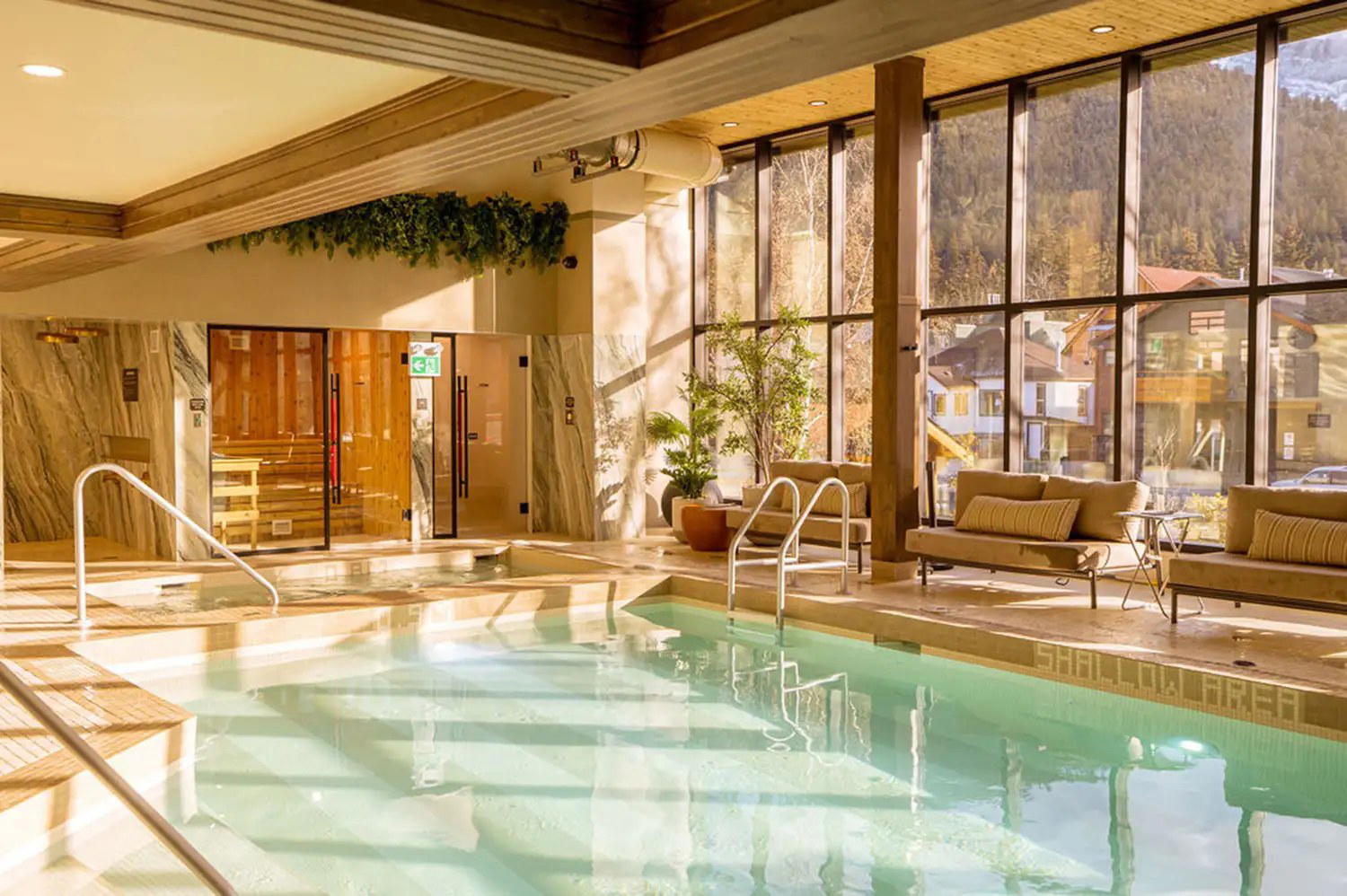
- Hot Tub
- Fitness Center
- Restaurant
- Mountain
- Wi Fi
- Hot Tub
- Fitness Center
- Restaurant
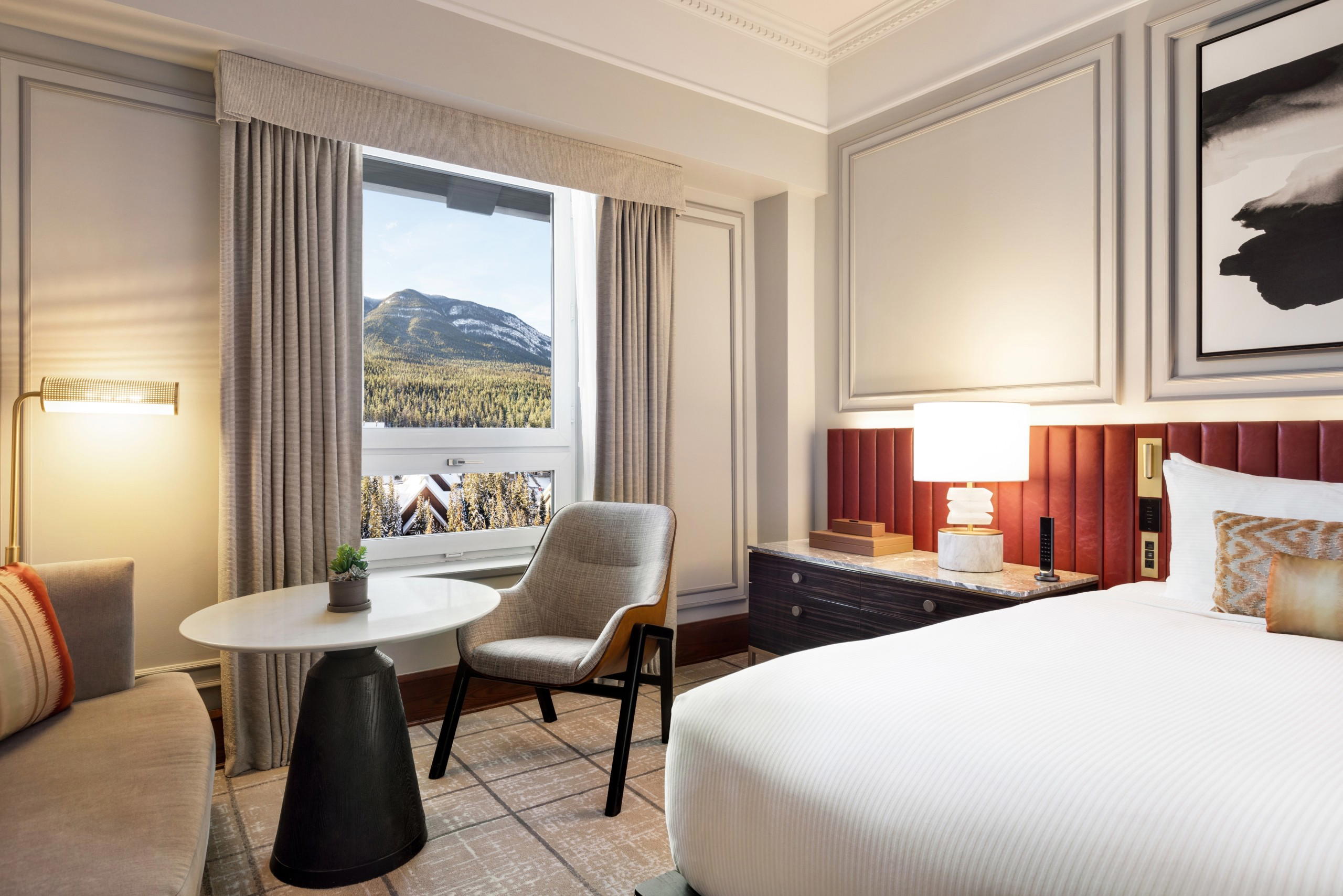
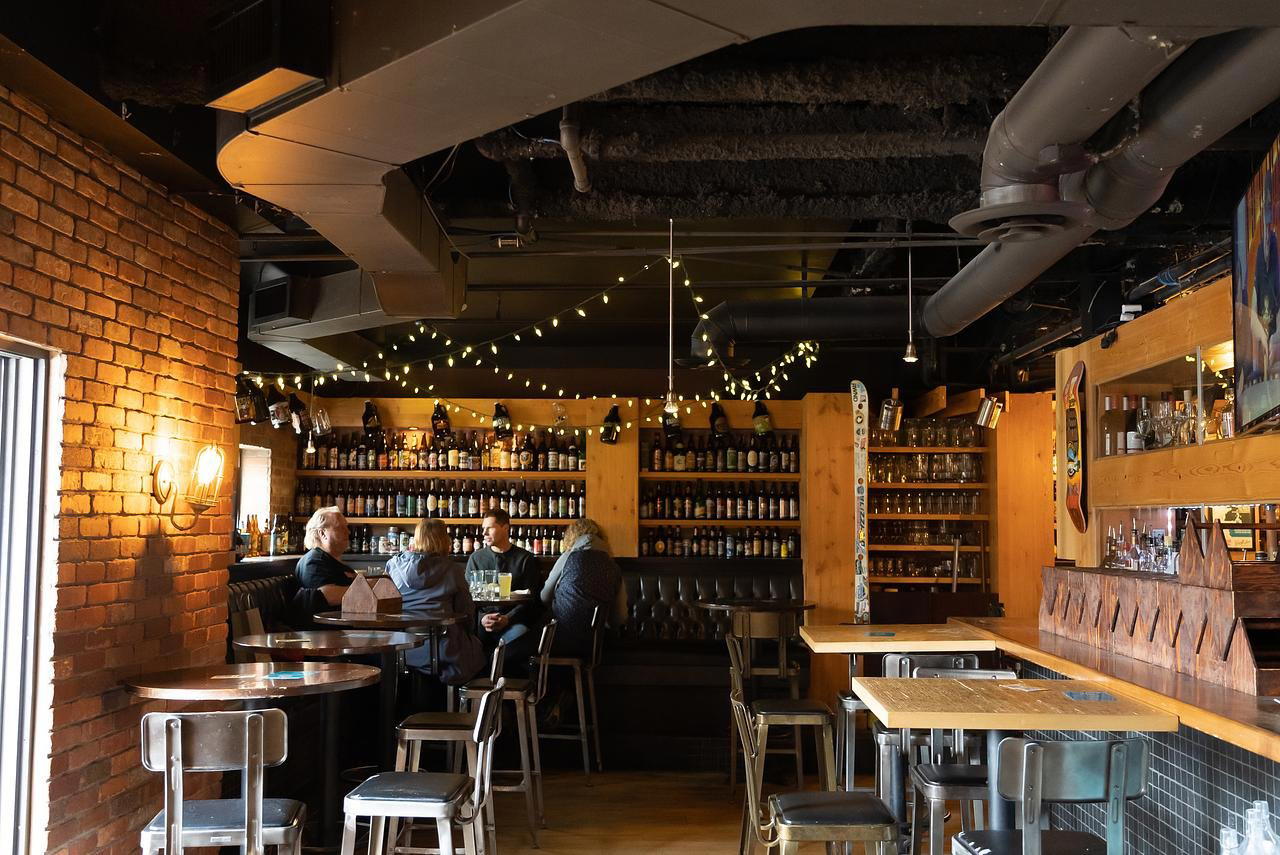
Cozy rustic ambiance with stone fireplaces, open beam ceilings, layers of colors and textures creating a modern mountain luxury feel.