









<strong>Capella Bangkok</strong> places the urban-resort idea directly on the <strong>Chao Phraya</strong>, with 101 rooms, <strong>suites and</strong> villas arranged around river views, gardens, dining and wellness rather than tower-hotel spectacle. Its recent recognition, including <strong>Forbes Travel Guide Five</strong>-Star status in 2025, Michelin 2 Keys in 2024 and No.1 in The <strong>World’s 50 Best Hotels 2024</strong>, puts it in Bangkok’s rarefied riverfront peer set.
 Discover on Pearl
Pearl is the En Primeur Club membership app — saves, bookings, and concierge access live there. Same editors, same standards.
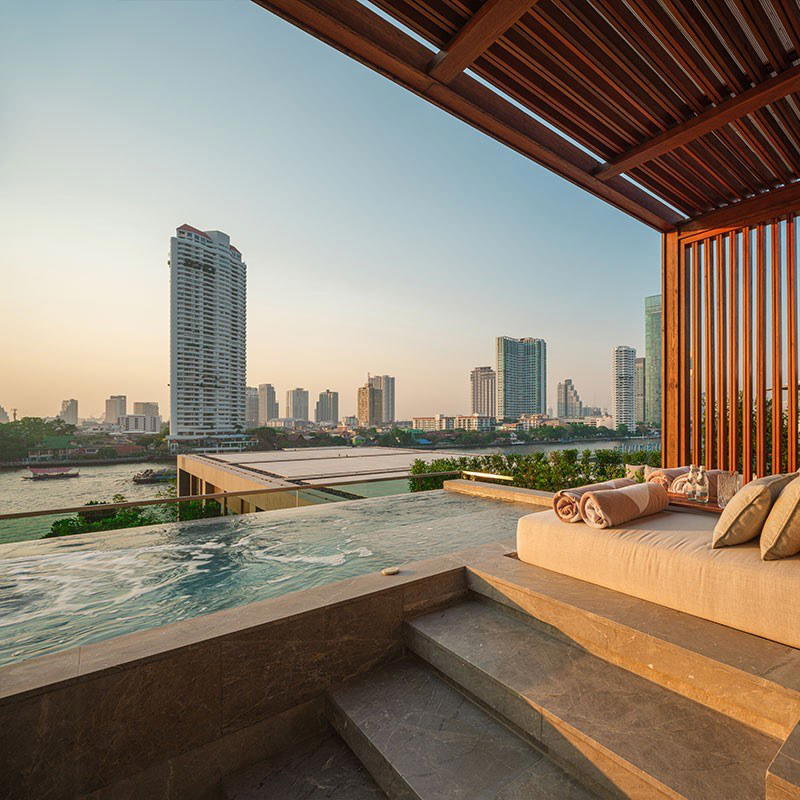
Riverfront Bangkok, Designed at Low Volume
Approaching the Chao Phraya at Sathorn changes the tempo of Bangkok. The city does not disappear, but the soundscape shifts from road traffic to ferry engines, hotel launches and the slow slap of river water against the embankment. This is the setting that has made Bangkok’s river hotels a category of their own: not merely places to sleep, but controlled vantage points on trade, ceremony, old diplomatic compounds, temple routes and contemporary luxury. Capella Bangkok works inside that tradition with a notably small scale for the city, 101 rooms, suites and villas on the east bank at 300/2 Charoenkrung Road, Yannawa, Sathorn.
Bangkok luxury has split into two clear camps. One is the vertical, shopping-district hotel attached to malls, office towers and refined rail. The other is riverfront hospitality, where arrival, orientation and mood are set by water rather than retail. Capella Bangkok belongs to the latter group, alongside properties that ask guests to trade immediate skytrain convenience for a more deliberate sense of place. The distinction matters. A riverside hotel changes how a Bangkok stay is structured: mornings begin with the river, evenings return to it, and the city is read through crossings rather than only through roads.
The hotel’s awards record gives that positioning measurable weight. It was named No.1 Best Hotel in the World in The World’s 50 Best Hotels 2024, followed by No.3 in 2025 and No.11 in 2023. It also held Michelin 2 Keys in 2024, received Forbes Travel Guide Five-Star distinction in 2025, and was listed by La Liste Leading Hotels 2026 with 99 points. Tatler Leading Hotels Asia-Pacific 2025 gave it a Leading Service badge for Thailand. Those signals do not make a room feel calmer, but they do identify the competitive bracket: this is not simply a Bangkok luxury hotel, it is priced and judged against international urban resorts.
Architecture as Urban Resort Logic
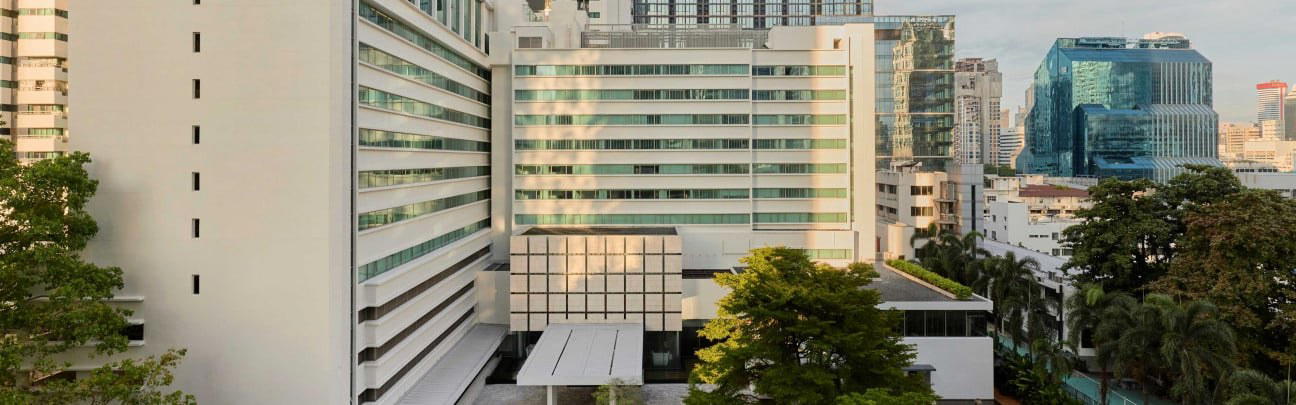
Bangkok has long understood the theatrical value of height, yet riverfront hospitality here often succeeds by resisting the skyline race. Capella Bangkok’s low-rise, contemporary block form and garden setting put the emphasis on breadth, river exposure and thresholds. The design language recorded across the property, blonde woods, creamy marble, unobstructed river views and balcony or patio configurations, moves closer to resort planning than metropolitan tower efficiency. The point is not escapism; it is spatial control in a city that rarely allows it.
That control extends to the accommodation mix. The 101 rooms, suites and villas each face the Chao Phraya, and the record notes that suites introduced travertine Jacuzzi tubs on balconies while seven villas sit directly on the riverfront with water-facing daybeds and Jacuzzi plunge pools. In Bangkok, where resort language is often borrowed from island hotels and applied loosely, villas on the riverfront change the comparison. The reference point is no longer only the suite inventory at Mandarin Oriental Bangkok, The Peninsula Bangkok or Four Seasons Bangkok at Chao Phraya River; it also brushes against the private-resort vocabulary more common in Thai coastal stays.
Condé Nast Traveler wrote that "Standard rooms come with spa-like bathrooms—walk-in rain showers, giant egg-shaped bathtubs, and ultra-comfy terry-cloth robes—heaps of space and fabulous river views."1 The important phrase is not only the bathroom description, but the combination of space and river view. Bangkok hotel rooms can be technically luxurious without being contextually expressive. Here, the room category is part of the river argument rather than a sealed interior product.
How It Compares in Bangkok's Hotel Map
The decision between Bangkok’s luxury hotels is often a decision about how a traveler wants to read the city. Rosewood Bangkok, Park Hyatt Bangkok and The Okura Prestige Bangkok place guests in the central business and shopping axis, with quick access to embassies, malls, dining rooms and transport. River properties ask for a different rhythm, especially for travelers who plan around boats, long lunches, old-city excursions and slower evenings. The Siam leans into heritage-inflected privacy upriver, while The Sukhothai Bangkok offers another form of low-rise calm away from the river.
Capella Bangkok’s narrower inventory gives it a boutique-resort feel within an international brand structure. That is a specific niche. Large Bangkok hotels can deliver scale, conference capacity and extensive public areas; smaller ultra-luxury properties compete on room-to-service ratio, spatial quiet and the precision of guest handling. Tatler’s 2025 Best Service recognition matters because service is not ornamental in this tier. At a hotel with only 101 keys, the promise is that the operation can remain personal without becoming theatrical.
For travelers mapping Thailand beyond the capital, this design-led urban-resort model also sits between city hotel and destination retreat. It has more metropolitan density than Keemala in Phuket, Soneva Kiri in Trat, Phulay Bay, A Ritz-Carlton Reserve in Krabi or Pimalai Resort & Spa in Koh Lanta, but it borrows their water-facing, recovery-oriented logic. It is less pastoral than Four Seasons Resort Chiang Mai in Chiang Mai or Anantara Golden Triangle Elephant Camp & Resort in Chiang Rai, yet it gives Bangkok a similar sense of retreat without leaving the city.
Dining, Bars and the River as Stage
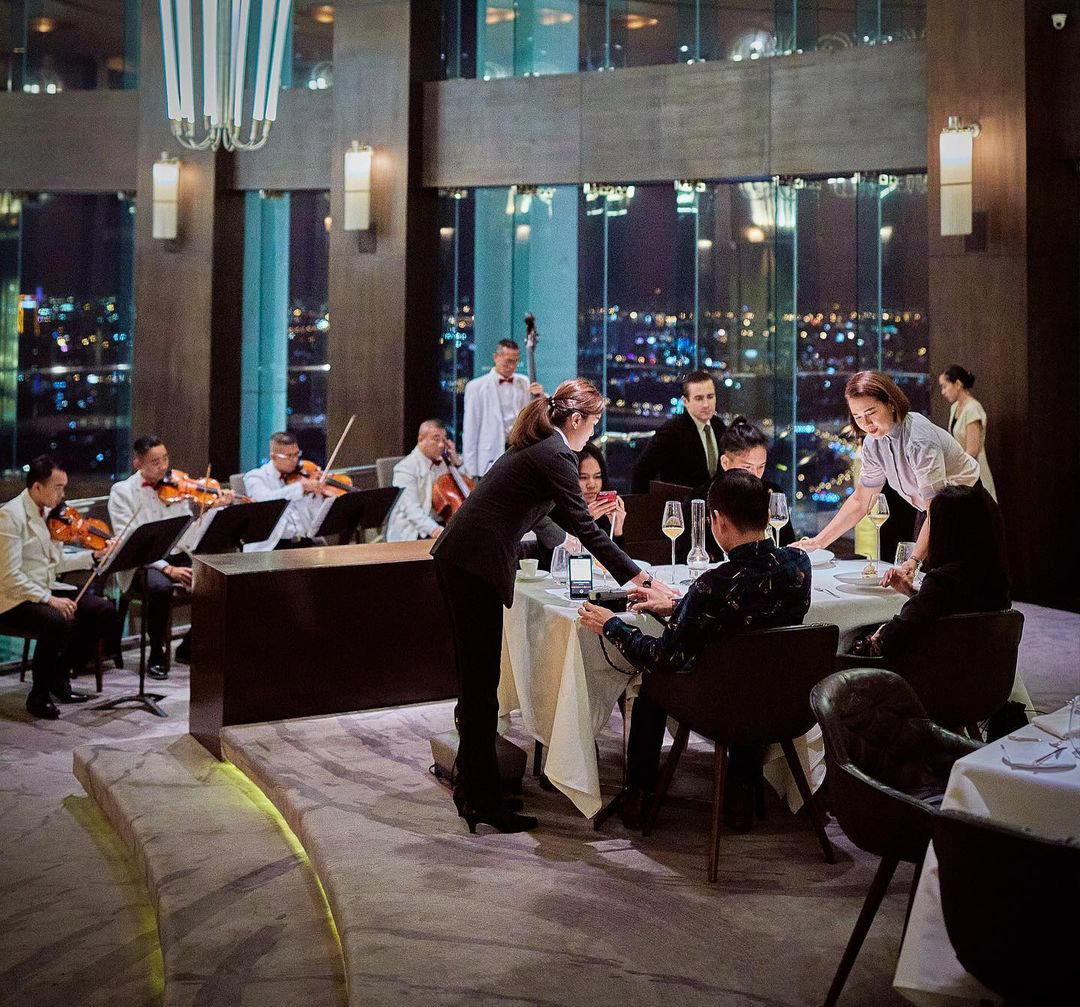
Hotel dining in Bangkok has become a serious competitive field, partly because luxury properties now act as cultural anchors rather than closed guest-only enclaves. The city’s restaurant conversation runs from street-side specialists to tasting-menu rooms, and hotel restaurants must justify themselves against both. Capella Bangkok’s strongest dining signal is Côte by Mauro Colagreco, a Mediterranean-leaning fine dining restaurant connected to the chef of Mirazur on the French Riviera. The record notes that Côte earned a Michelin star within a year of opening and serves nine-course carte blanche tastings as well as à la carte dishes, supported by a wine list of more than 550 labels, with 70 percent organic or biodynamic and a large grower Champagne collection for the city.
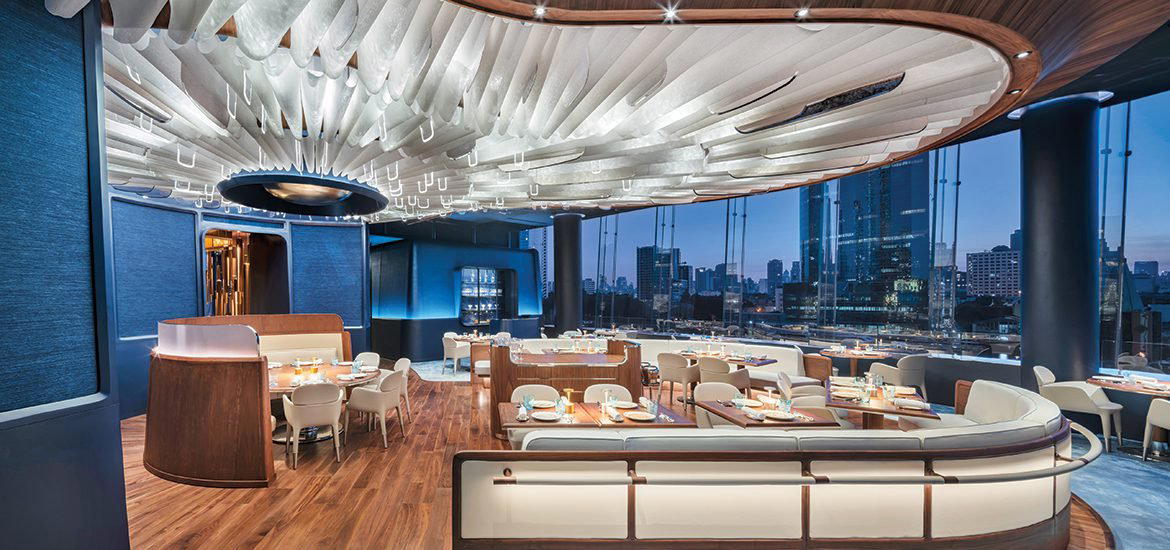
Phra Nakhon gives the property a different kind of legitimacy. The restaurant’s local-ingredient approach, drawing from farmers and fishermen, points back to Thai domestic cooking rather than imported hotel polish. Michelin Guide wrote that "Phra Nakhon offers Thai à la carte and tasting menus with seasonal changes in a charming, modern venue with stunning views of the river."2 In a city where hotel Thai restaurants can drift into safe tourist grammar, the references to rural childhood recipes and regional cooking styles under chef Wichian Trirattanavatin give the format a more grounded frame.
"In summer, standout dishes include khao chae and the richly flavoured khao khluk kapi with river prawns."
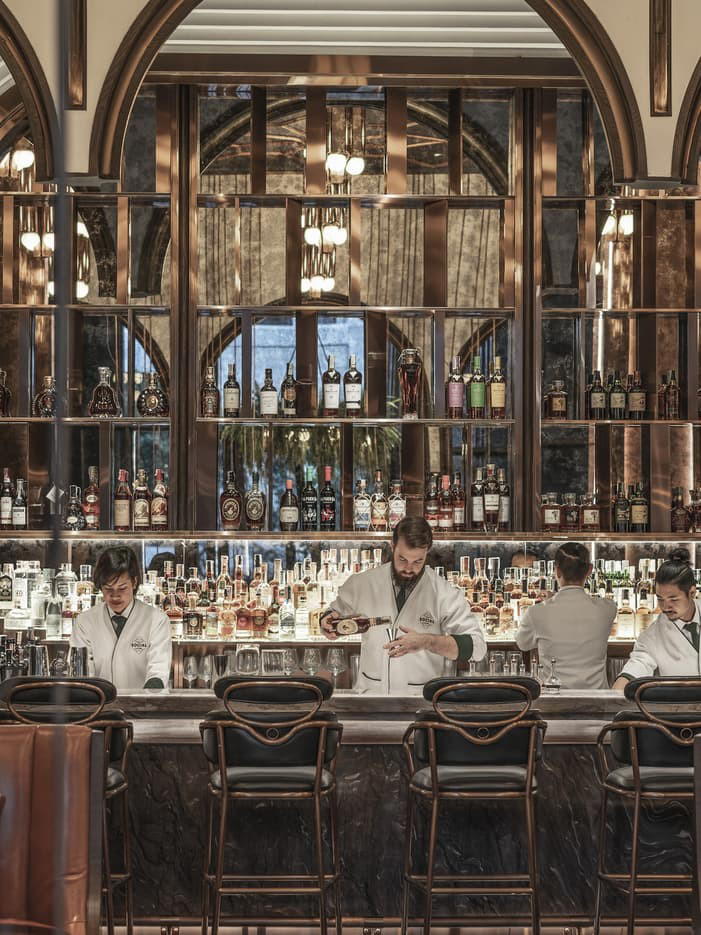
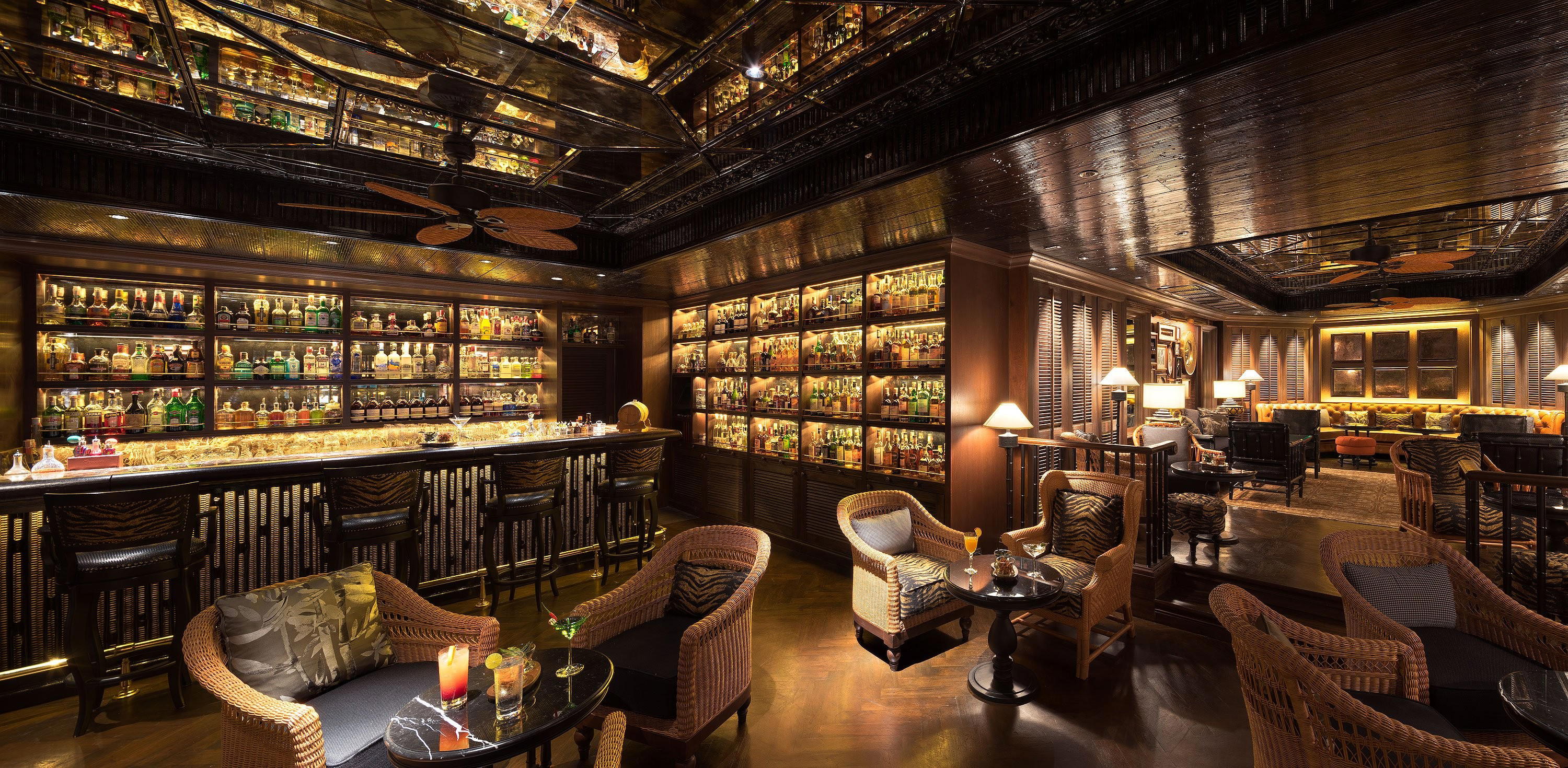
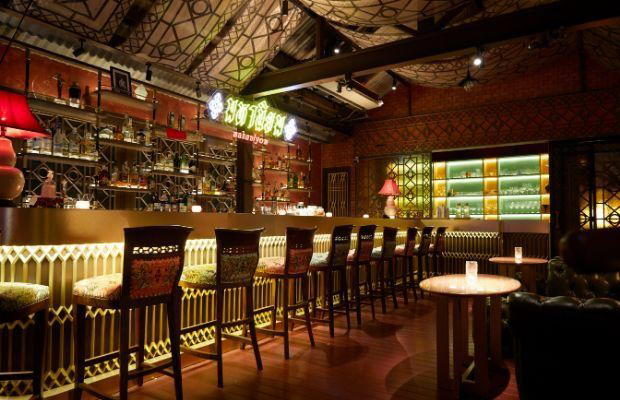
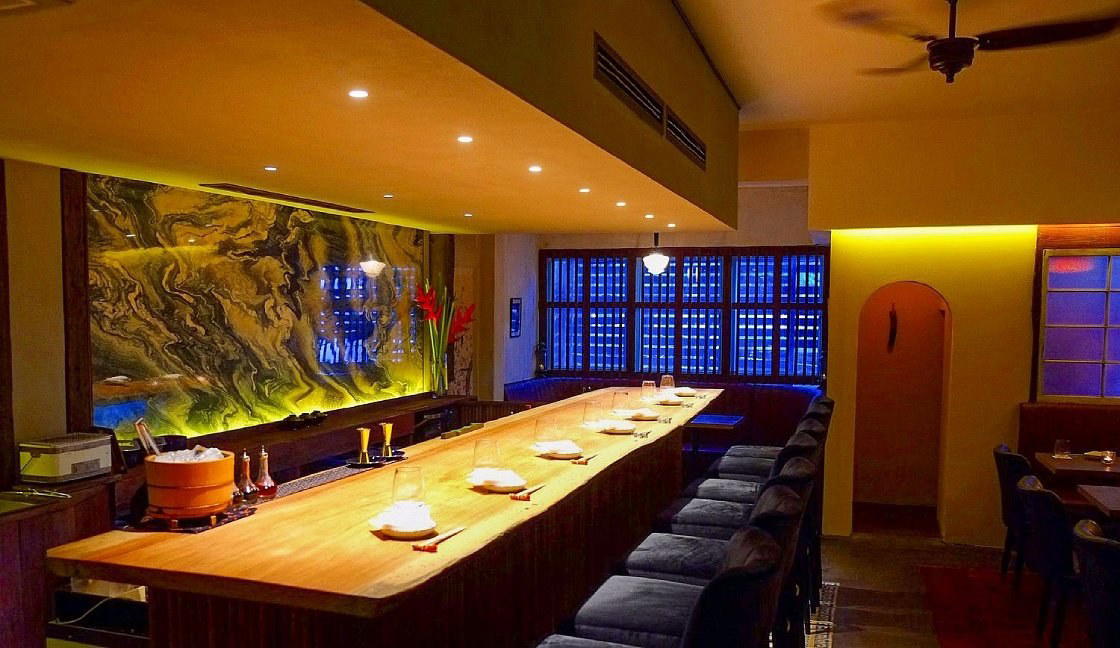
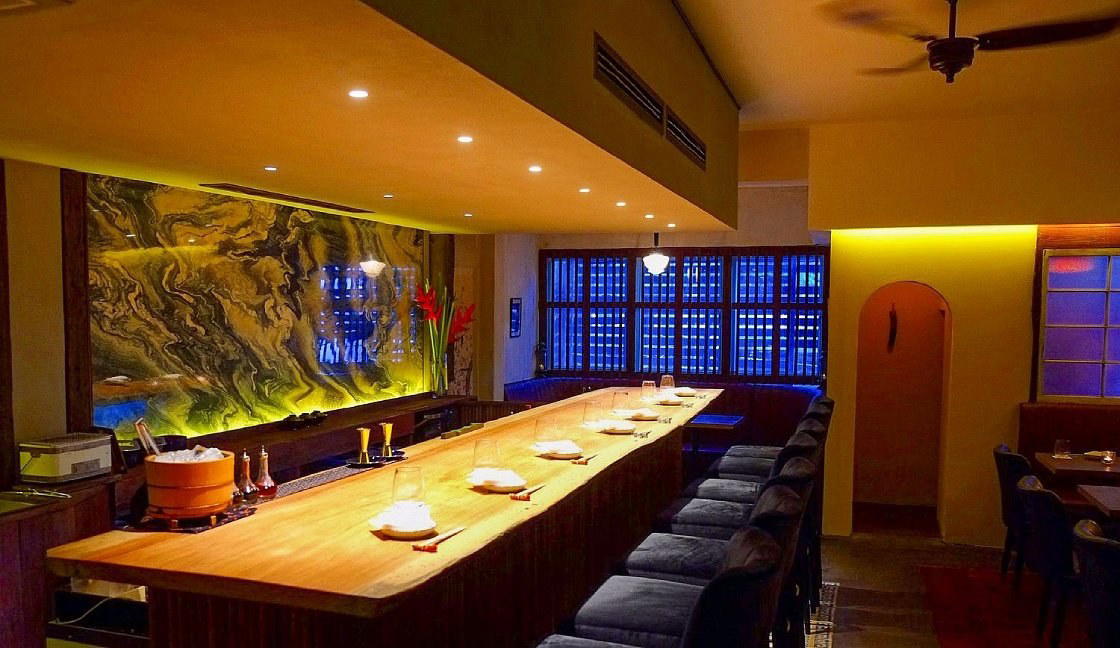
— Michelin Guide, Stella, the hotel’s Art Deco-meets-Asian cocktail bar, belongs to another Bangkok pattern: the hotel bar as after-dark address for residents as much as guests. Drinks are recorded as being inspired by storied Bangkok districts and Asian female heroes and warriors, with caviar, oysters and a dessert omakase of made-to-order pastries also noted in the venue data. Readers comparing the city’s wider dining and drinking scene should place this alongside Our full Bangkok restaurants guide and Our full Bangkok bars guide, since the river hotels now compete directly with independent cocktail rooms and restaurant-led destinations.
Wellness, Culture and the New Concierge Model
The strongest luxury hotels in Bangkok have moved beyond generic spa-and-car service into curated access, partly because the city rewards interpretation. Temples, markets, river communities, private dining rooms and performance traditions are close together geographically but not always easy for visitors to structure well. Capella uses the term culturists for its concierge-style team, and the record notes that they can arrange Mercedes pickup, VIP airport fast-track service and curated tours, including meditation sessions with a local monk.
Auriga Wellness adds a more formal recovery layer. Treatments are described as drawing from Thai, Chinese, Indian and European healing rituals, with some using local products such as mung bean, black sesame and riceberry. The detail matters because wellness in Bangkok luxury can either become imported spa branding or a genuine conversation with regional practice. Here the program is broad, but it is at least anchored by named traditions and ingredients rather than generic relaxation language.
The Living Room functions as a lounge, cultural salon and meditation space, with monks leading mindfulness moments and local experts teaching subjects such as Khon masked dance and traditional Thai musical instruments. This kind of programming is now part of the premium-hotel arms race across major cities. Compare it with historically layered city properties such as The Fifth Avenue Hotel in New York City, Cheval Blanc Paris in Paris or Hotel Sacher Wien in Vienna: the strongest urban hotels increasingly sell not only rooms, but a point of entry into local culture. In Bangkok, that point of entry has to respect the river, the old city and the city’s living ritual life.
Who It Suits
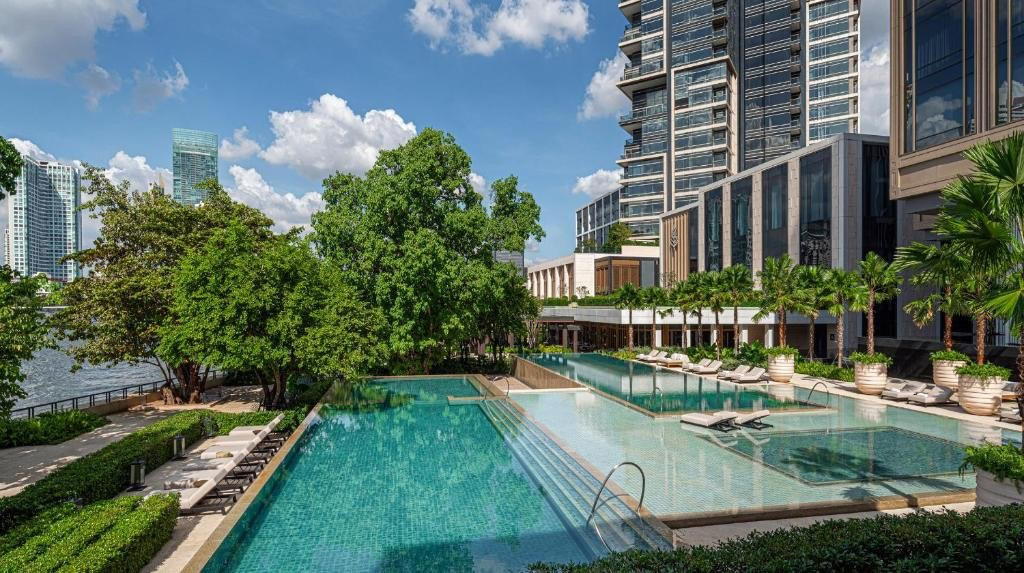
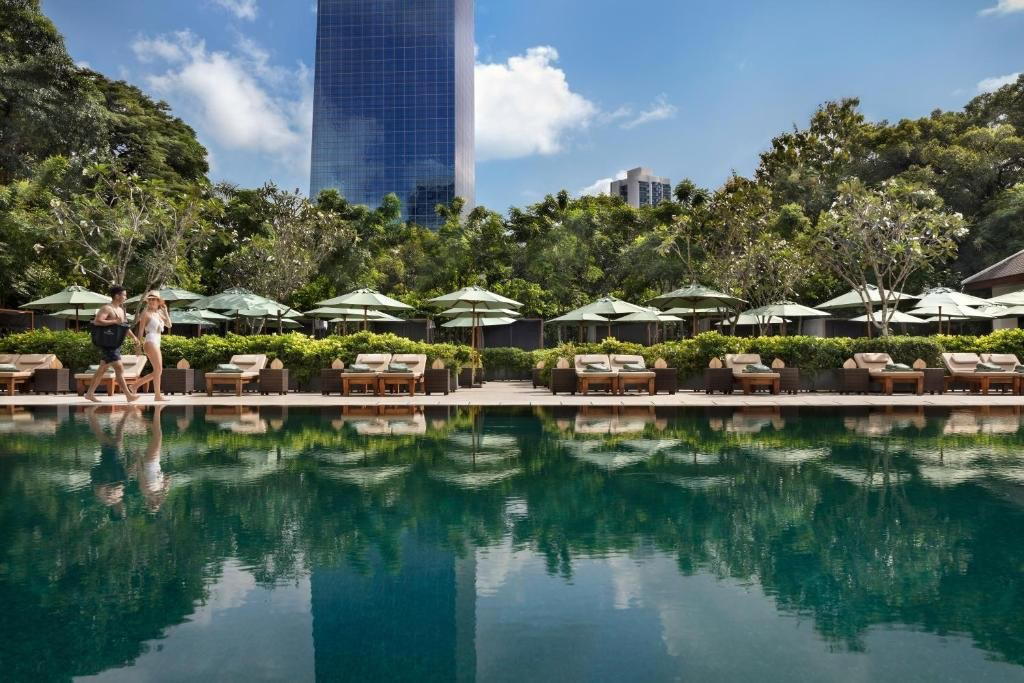
Capella Bangkok is strongest for travelers who want Bangkok without surrendering to its daily compression. The address in Sathorn on Charoenkrung places it on the east bank of the Chao Phraya, with riverfront orientation and access to old-city routes, while the hotel’s garden, pool, spa and room design create a controlled retreat between outings. It suits couples, design-focused travelers, wellness-led itineraries and guests who value service density over a large-hotel social scene.
The price signal is also clear. The database records a price of $1,195, placing the property in Bangkok’s highest luxury bracket rather than the broad five-star category. Google reviews show 4.8 from 1,812 reviews, a useful public-sentiment counterpoint to formal awards. For travelers building a wider Thailand itinerary, Capella can act as the city opening or closing chapter before resort stays such as Samujana Villas in Koh Samui or The Sarojin Thailand in Phang Nga. For history-led extensions, sala ayutthaya in Ayutthaya sits in a different register, closer to temple-town atmosphere than capital-city resort craft.
Planning Notes Before You Go
Plan around the river rather than treating it as scenery. The hotel’s position on Charoenkrung in Sathorn makes sense for travelers who want river movement, old-city access and a quieter base than the shopping core. Those planning a restaurant-heavy stay should cross-check with Our full Bangkok restaurants guide, while broader category planning is easier through Our full Bangkok hotels guide, Our full Bangkok experiences guide and, for completeness, Our full Bangkok wineries guide. Bangkok is not a wine-region city in the classic sense, but luxury hotels and fine dining rooms have made wine service part of the capital’s premium hospitality conversation.
Dining should be treated as part of the stay, not an afterthought. Côte’s Michelin-starred status and large wine program place it in the city’s fine dining circuit, while Phra Nakhon gives a Thai counterweight within the property. Stella works for later evenings when leaving the riverfront feels unnecessary. Practical arrangements are leading handled early for airport fast-track, Mercedes pickup or cultural programming, since those services depend on coordination rather than spontaneous availability. The hotel’s pet-friendly status, outdoor pool, house car, meeting rooms, restaurants, spa, gym, fitness classes, babysitting services and 24-hour room service widen its use case beyond couples, but the core appeal remains the same: a tightly managed riverfront address with resort-level space inside Bangkok.
Cost and Credentials
A quick peer snapshot; use it as orientation, not a full ranking.
| Venue | Price | Awards | Notes |
|---|---|---|---|
| Capella Bangkok | Michelin 2 Key | This venue | |
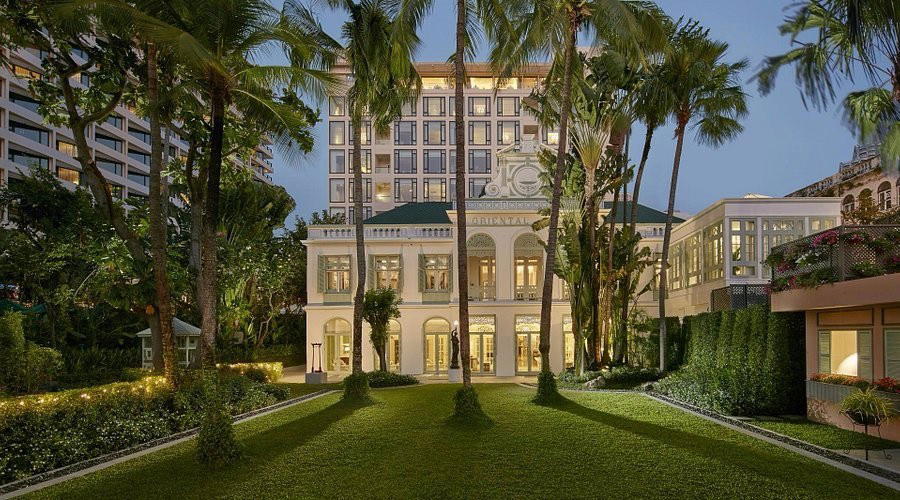
| Mandarin Oriental Bangkok | Michelin 3 Key | ||
| Rosewood Bangkok | Michelin 2 Key | ||
| Park Hyatt Bangkok | Michelin 2 Key | ||
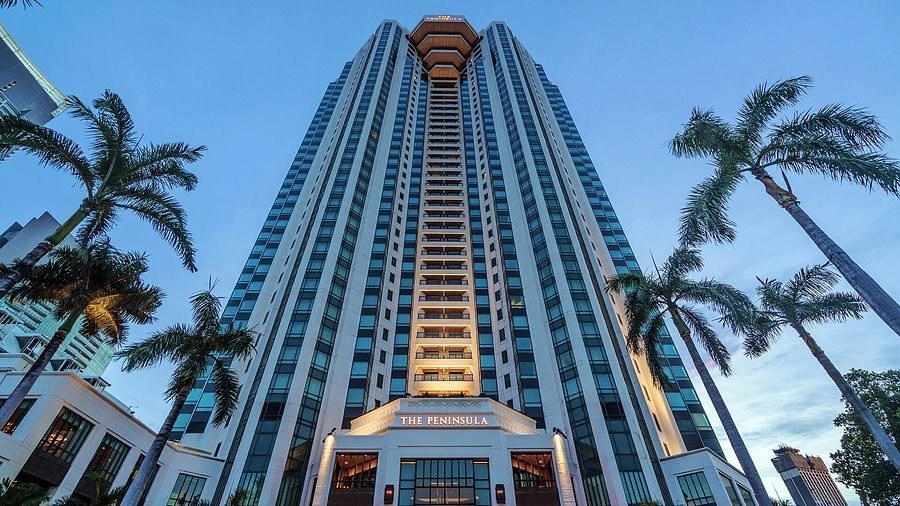
| The Peninsula Bangkok | Michelin 2 Key | ||
| Anantara Siam Bangkok Hotel |
At a Glance
- Elegant
- Sophisticated
- Serene
- Opulent
- Honeymoon
- Romantic Getaway
- Wellness Retreat
- Anniversary
- Rooftop Pool
- Infinity Pool
- Private Villa
- Butler Service
- Panoramic View
- Wifi
- Pool
- Spa
- Fitness Center
- Room Service
- Concierge
- Business Center
- Valet Parking
- Waterfront
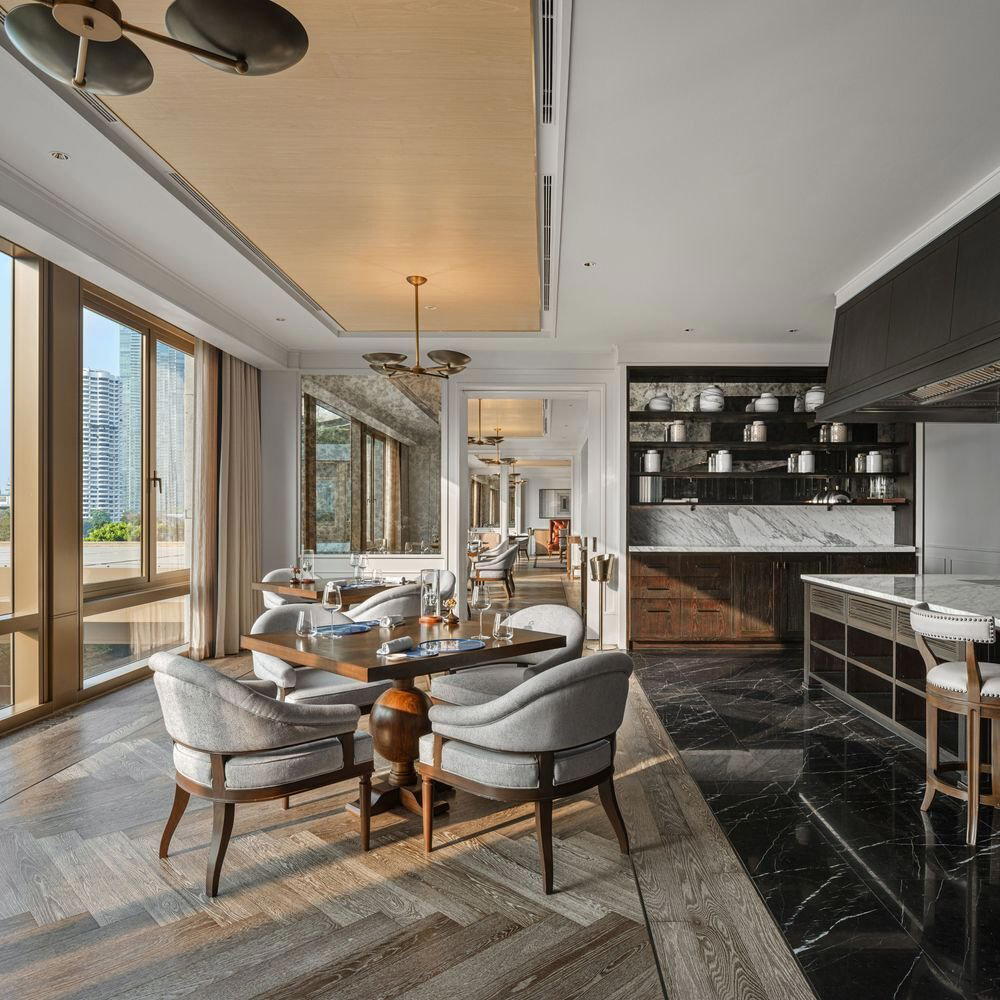
Serene and elegant atmosphere with natural light, river vistas, and a calming spa-like wellness area featuring thermal pools and saunas.