



<strong>Bar Benfiddich</strong> belongs to <strong>Tokyo’s serious cocktail</strong> tier: a <strong>17-seat Nishishinjuku</strong> room where farm botanicals, old bottles and historical technique shape the programme. Its repeated Asia’s <strong>Best Bars</strong> and <strong>World’s 50</strong> Best Bars placements make it a reference point for drinkers comparing Tokyo’s precision-led bars with more improvisational, ingredient-driven counters.
 Discover on Pearl
Pearl is the En Primeur Club membership app — saves, bookings, and concierge access live there. Same editors, same standards.

Inside the room: Tokyo cocktail theatre without the costume
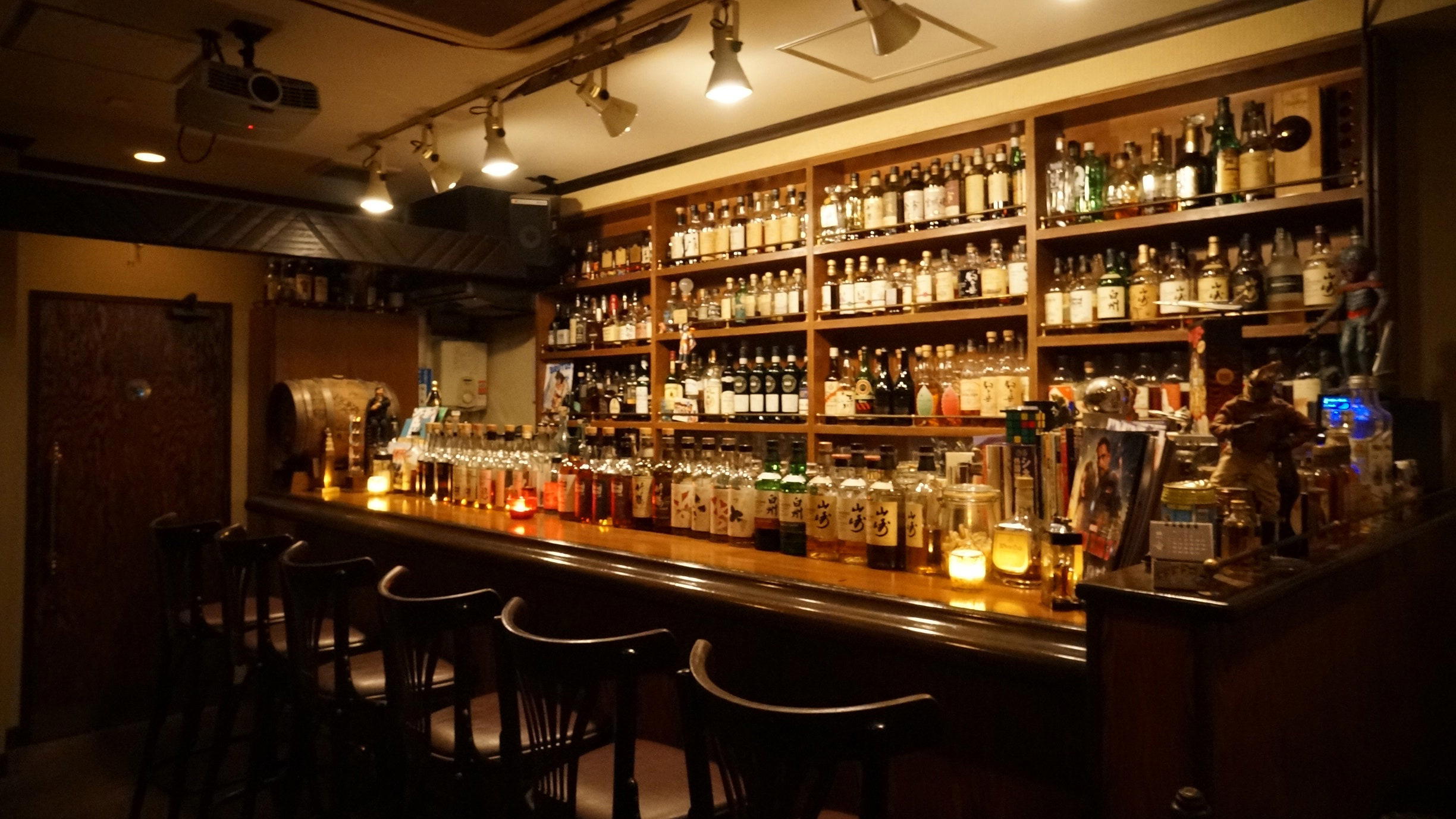
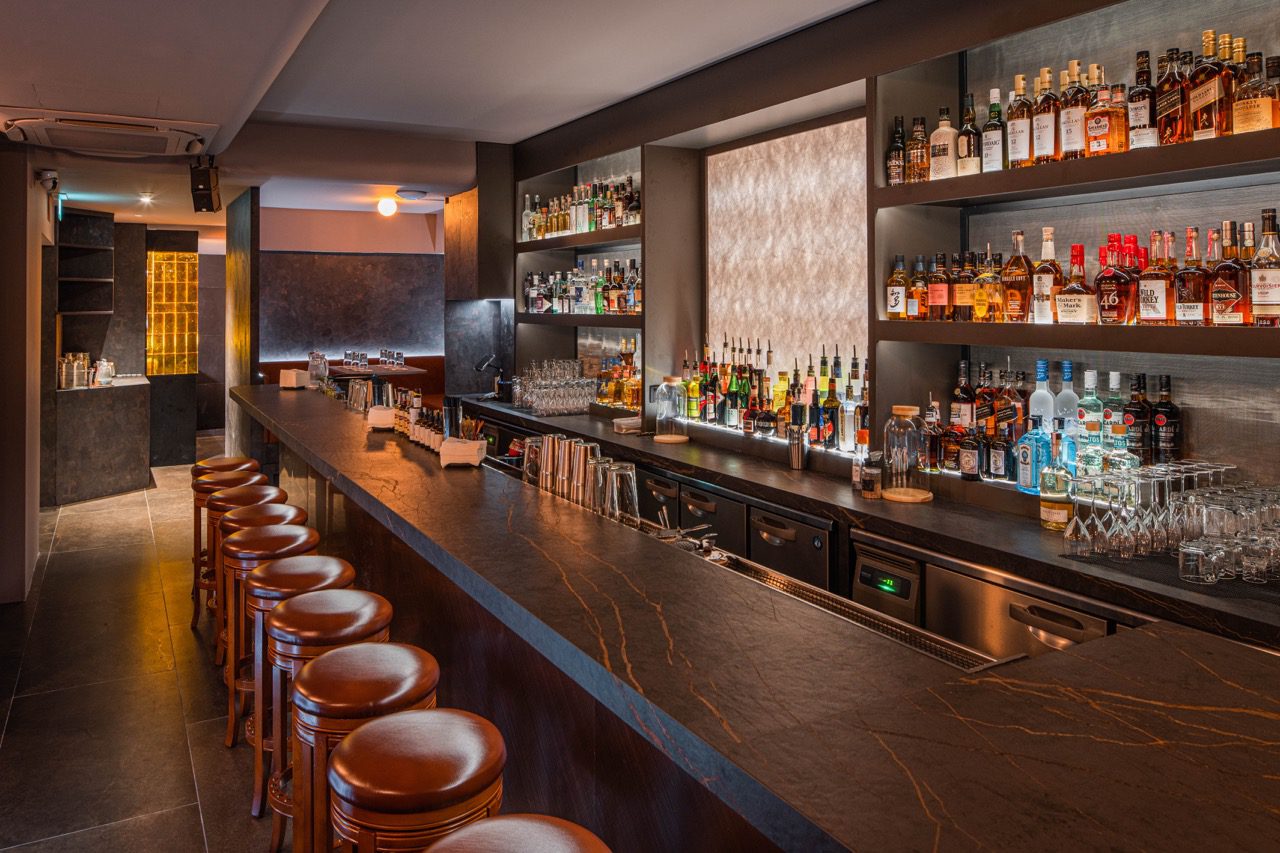
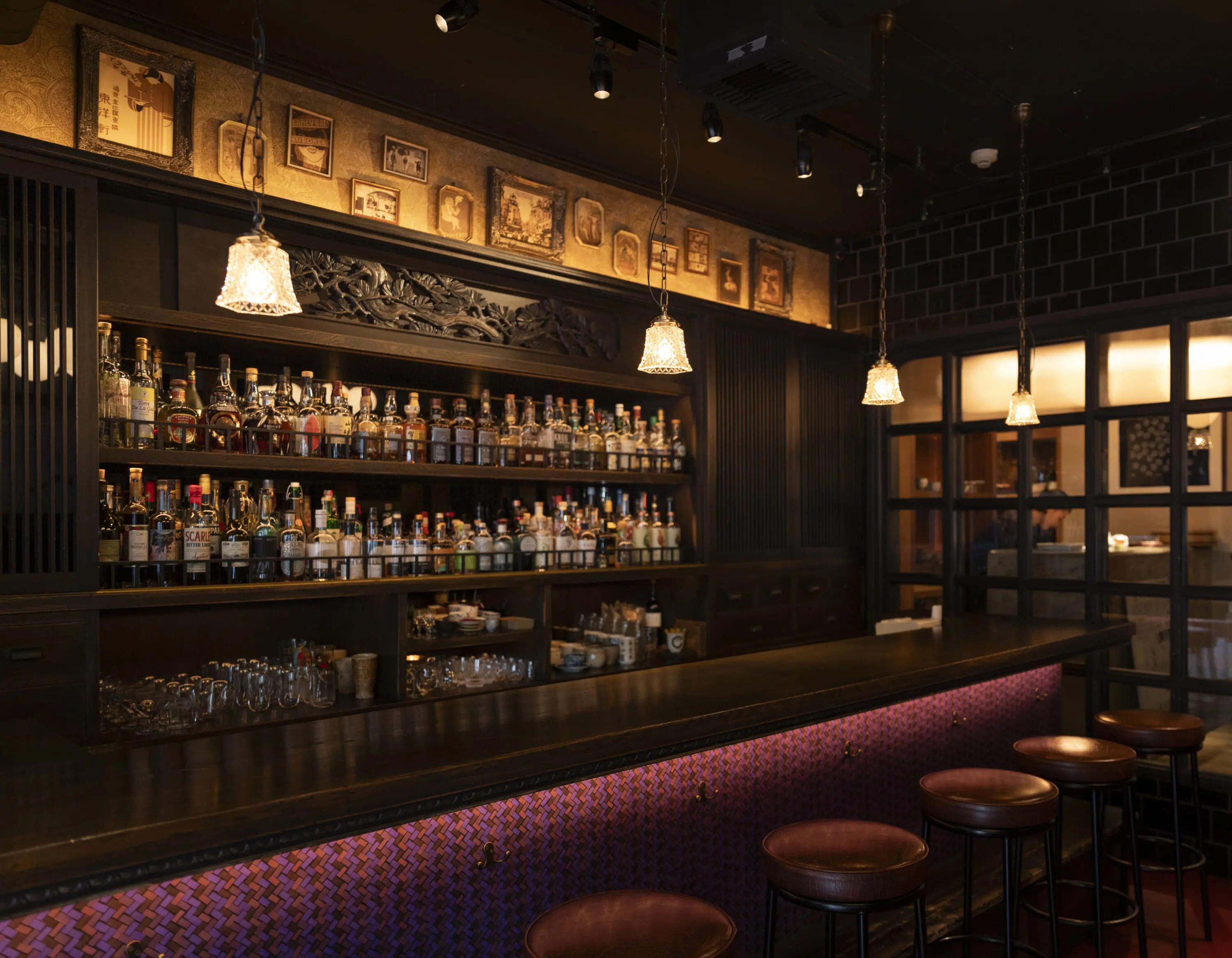
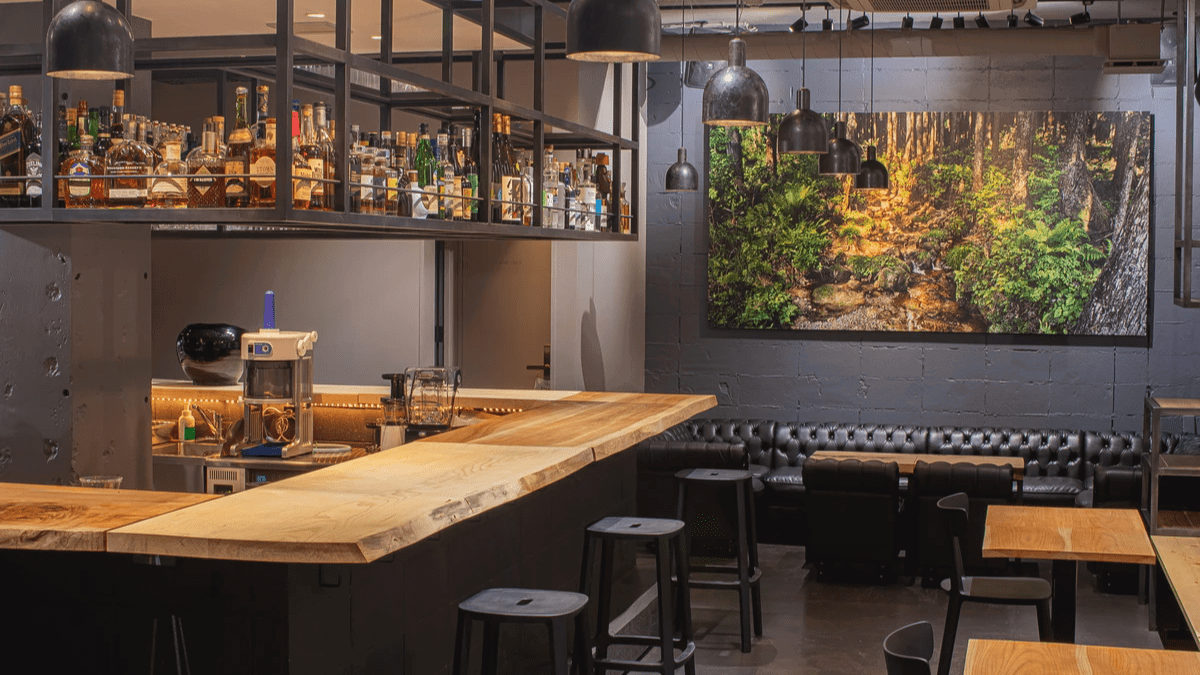
The approach is pure Nishishinjuku pragmatism: an upper-floor address at 1 Chome-13-7, a lift ride to the 9th floor, then a compact room built around a walnut counter and a wall of bottles. Bar Benfiddich does not read like the city’s hotel-bar circuit, nor like the polished Ginza school where service choreography can be as formal as the drink itself. The room is quieter, narrower and more intent. Seventeen seats put guests close to the work, close enough to watch herbs, fruit, antique tools and anonymous old bottles become part of the evening’s logic.
That scale matters in Tokyo, where the serious cocktail scene splits into several camps. Ginza has long carried the reputation for classic technique, hand-carved ice and hushed counter culture. Shibuya and Ebisu have pulled younger international drinkers toward looser, louder rooms. Nishishinjuku, by contrast, gives Bar Benfiddich a slightly removed position: central enough for late-night movement, but detached from the street-level spectacle of larger nightlife districts. The address explains part of the mood. This is not a bar built around volume; it is a counter built around attention.
The awards record gives the room its international frame. Bar Benfiddich was ranked No. 9 on Asia’s Leading Bars 2025, No. 25 on The World’s 50 Best Bars 2024, and No. 5 on Asia’s Leading Bars 2024. Tatler named it Leading Asia: Bar of the Year in 2024 and included it in Tatler Leading Bars Asia-Pacific 2025. It is also Pearl Recommended Bar 2025 and listed at No. 42 in Top 500 Bars Leading Bars 2025. Those signals place it in a peer set that extends beyond Tokyo, but the experience remains rooted in the city’s counter-bar tradition: limited seats, direct exchange, and a bartender’s hand visible in every step.
The cocktail programme: farm, archive, counter
Tokyo cocktail culture is often reduced abroad to sharp suits, crystal-clear ice and immaculate classic builds. That shorthand misses the bars that have made the city more interesting over the past decade: smaller rooms where botanical work, fermentation, historical research and personal sourcing stretch the definition of a cocktail without abandoning discipline. Bar Benfiddich sits in that branch of the scene. The programme is tied to farm-fresh botanicals, old recipes, absinthe culture and a working knowledge of spirits history, with Hiroyasu Kayama’s Chichibu farm appearing in the public record as a source for herbs, plants and distillation ideas.
The available descriptions are unusually concrete for a bar of this stature. Drinks may draw on mizunara or juniper twigs used in the making process, fennel grown near aromatic mint, honey water from absinthe drippers, antique tools, old books and bottles whose labels have disappeared with time. Those details matter because they separate the bar from a conventional “seasonal cocktail” model. The programme is not simply adding Japanese ingredients to international formats. It uses plants, vessels, archives and distillation references as the grammar of the drink.
That is why searches for ben fiddich tokyo, bar ben fiddich and tablecheck bar benfiddich tend to come from drinkers who already know the name and need practical clarity. The bar’s reputation is not built on a single famous serve or a photogenic garnish. It is built on repeatable unpredictability: the format is stable, the counter is small, the botanical and historical inputs vary. In a city where many cocktail rooms prize exact repetition, that controlled variability is the point.
Why the counter feels different from Tokyo's classic bar school
The comparison with Ginza is useful because it clarifies what Bar Benfiddich is not. At Bar High Five, Tokyo’s classic cocktail lineage is expressed through technique, guest reading and a long-established counter vocabulary. Bar Orchard Ginza brings fruit into a more polished Ginza idiom, where selection and balance carry the experience. Bar Benfiddich moves the centre of gravity away from urban polish and toward botanical authorship. The drink may still be measured and carefully assembled, but the intellectual source material comes from plants, absinthe, travel, old texts and unfamiliar bottles rather than a purely classic canon.
This does not make the bar casual. If anything, the small room raises the stakes. With 17 seats, guest behaviour becomes part of the atmosphere. Conversations sit close to the counter; questions about tools, plants and bottles are part of the rhythm. Tokyo’s great bars often turn silence into luxury, but this room permits curiosity without turning the evening into a lecture. The result is a counter that feels serious without becoming museum-like.
For drinkers mapping Tokyo by style, the useful distinction is precision versus authorship. Precision-led bars make a classic drink feel newly exact. Authorship-led bars make the guest aware of a system behind the drink. Bar Benfiddich belongs to the second group, though it depends on the first. The bar would not carry its international rankings if the technique were merely eccentric. The larger achievement is that unusual inputs arrive through a disciplined Japanese counter format, not as novelty.
Recognition and what it actually tells the traveller
Awards can flatten bars into numbers, but the sequence here says something specific. Bar Benfiddich has appeared repeatedly across Asia’s Leading Bars from 2016 through 2025, with placements including No. 21 in 2016, No. 22 in 2017, No. 20 in 2018, No. 17 in 2019, No. 15 in 2020, No. 9 in 2021, No. 5 in 2022, No. 4 in 2023, No. 5 in 2024 and No. 9 in 2025. On the global list, recorded placements include No. 36 in 2017, No. 49 in 2018, No. 40 in 2020, No. 32 in 2021, No. 37 in 2023 and No. 25 in 2024. That pattern is more revealing than a single ranking. It shows sustained international relevance across nearly a decade of changing bar trends.
The timing also matters. The global cocktail conversation has moved from Prohibition theatrics to culinary technique, then to local sourcing, low-waste systems and ingredient transparency. Bar Benfiddich’s botanical approach fits that shift but did not appear as a late reaction to it. The awards record suggests a bar that has remained legible to international judges while keeping a format too small and idiosyncratic for mass replication. For a traveller, that is a useful distinction: the room is famous, but its fame has not turned it into a large-format attraction.
The Google rating, 4.5 from 883 reviews in the venue record, adds another kind of evidence. Public-review scores for high-demand cocktail bars often reflect friction as much as quality: limited seats, waiting expectations, price opacity and language dynamics can all affect ratings. A 4.5 score at this review volume, alongside repeated 50 Best recognition, indicates broad approval without erasing the reality that this is a specialist bar. It will reward drinkers who want conversation, technique and botanical specificity more than a quick drink before dinner.
How it fits into a Tokyo night
Tokyo rewards drinkers who resist treating the city as one continuous nightlife zone. A Ginza counter, a Shinjuku whisky bar and an Ebisu cocktail room can be separated by only a few train stops, yet each carries a different social code. Bar Benfiddich’s Nishishinjuku location makes it logical after dinner in Shinjuku, Yoyogi or the west side of the city, and workable as a later stop after a more formal restaurant booking elsewhere. The listed hours, 18:00 to 02:00 daily, support both early-evening focus and post-dinner drinking, though the small capacity makes timing more consequential than the published schedule suggests.
Pairing the bar with dinner requires restraint. The drinks are not anonymous nightcaps, and the room is not designed for distracted groups arriving from a heavy meal with no attention left. A lighter dinner or a focused two-stop evening gives the counter more room to work. Travellers building a wider itinerary can use our full Tokyo restaurants guide for dinner planning, then compare late-night drinking options in our full Tokyo bars guide. For lodging geography, our full Tokyo hotels guide is the more useful companion, since western Tokyo and Ginza create different late-night transport patterns.
The bar also makes sense within a broader Japanese drinking itinerary. Tokyo’s cocktail density is unmatched in Japan, but regional bars increasingly give travellers reasons to compare technique outside the capital. The Sailing Bar in Nara and Yakoboku in Kumamoto point to a wider national conversation around small rooms, local identity and counter craft. Seen that way, Bar Benfiddich is not just a Tokyo trophy booking. It is a reference point for how Japanese bars can be local without leaning on obvious regional clichés.
Peer set: where Bar Benfiddich sits among serious cocktail rooms
The more useful comparison is not between “good” and “bad” bars, but between types of seriousness. Bar Trench works in an absinthe-leaning, apothecary-adjacent register in Ebisu, with a different neighbourhood energy and a more casual urban tempo. Bar Libre sits closer to the city’s creative cocktail current, where contemporary presentation and technique meet a less formal bar mood. Bar Benfiddich’s distinction lies in how far it pushes the botanical and archival side while retaining a counter experience that feels recognisably Tokyo.
Internationally, it belongs to the same conversation as bars that treat cultural reference as technique rather than theme. Superbueno in New York City, for example, shows how a bar can translate identity and flavour memory into a contemporary cocktail setting without becoming a costume version of place. Bar Benfiddich’s method is different, more rural-botanical and historically minded, but the comparison helps explain why it travels well in rankings. It gives international drinkers a clear idea and then executes it through a tight format.
The Japan comparison also exposes the risk of misunderstanding the bar. Guests looking for a checklist of famous cocktails may miss the point. The public descriptions emphasise that no two visits are the same, not because the bar is loose, but because the input stream changes: plants mature, books yield recipes, bottles enter the working vocabulary, and farm distillates or botanicals appear as the programme develops. This is a bar for drinkers comfortable giving the counter some discretion.
Planning details: address, hours and booking expectations
Bar Benfiddich is listed at 〒160-0023 Tokyo, Shinjuku City, Nishishinjuku, 1-chōme−13−7, 9F, with the awards records also rendering the address as 9/F, 1 Chome-13-7, Nishishinjuku, Shinjuku, Tokyo, Japan. Published hours in the venue record are Monday to Sunday, 18:00 to 02:00. The database does not provide a confirmed booking method, dress code, price range or official website, so those details should not be assumed from third-party chatter. Search demand around tablecheck bar benfiddich suggests travellers often look for reservation routes online, but the record supplied here does not verify a specific reservation platform.
The practical stance is simple: treat the 17-seat capacity as the primary planning fact. A room that small cannot absorb casual peak-time demand in the way a hotel bar can. Earlier in the evening may suit travellers who want a calmer read of the programme; later hours can fit after dinner, but late arrival does not guarantee an easier seat. The bar’s daily schedule is generous on paper, yet capacity, reputation and international ranking make advance planning sensible where a verified route is available.
Dress expectations are not listed, and Tokyo’s serious cocktail rooms rarely need theatrical formality from guests. The better guidance is behavioural rather than sartorial: arrive as a small party, keep attention on the counter, and understand that the experience is built around dialogue between guest and bartender. This is not the place to treat the room as background noise for a large night out.
Beyond the glass: building a wider Tokyo itinerary
Bar Benfiddich can anchor a drinking night, but Tokyo becomes more legible when bars are placed alongside the city’s other specialist formats. Travellers comparing food, drinks and cultural programming can use our full Tokyo experiences guide to understand how the city packages craft, performance and small-group formats beyond restaurants and bars. For wine-focused planning, our full Tokyo wineries guide helps separate urban wine rooms, tasting formats and wine-adjacent destinations from cocktail-led evenings.
The broader point is that Tokyo’s premium scene is not one hierarchy. It is a collection of disciplined niches: sushi counters with six to ten seats, kaiseki rooms governed by season and service cadence, hotel bars with international polish, and tiny cocktail rooms where the bartender’s system defines the night. Bar Benfiddich sits squarely in that last category. Its value is not convenience, spectacle or a famous drink to photograph. Its value is the chance to see how far a Tokyo counter can stretch the cocktail form while remaining intimate, rigorous and recognisable as a bar.
A Credentials Check
A fast peer set for context, pulled from similar venues in our database.
| Venue | Awards | Cuisine | Notes |
|---|---|---|---|
| Bar Benfiddich | World's 50 Best | This venue | |
| Bulgari Ginza Bar | World's 50 Best | ||
| Star Bar Ginza | World's 50 Best | ||
| The Bellwood | World's 50 Best | ||
| Tender Bar | |||
| Bar High Five | World's 50 Best |








At a Glance
- Intimate
- Elegant
- Sophisticated
- Hidden Gem
- Date Night
- Special Occasion
- Solo
- Design Destination
- Standalone
- Counter Only
- Seated Bar
- Craft Cocktails
- Whiskey
- Gin
- Low Abv
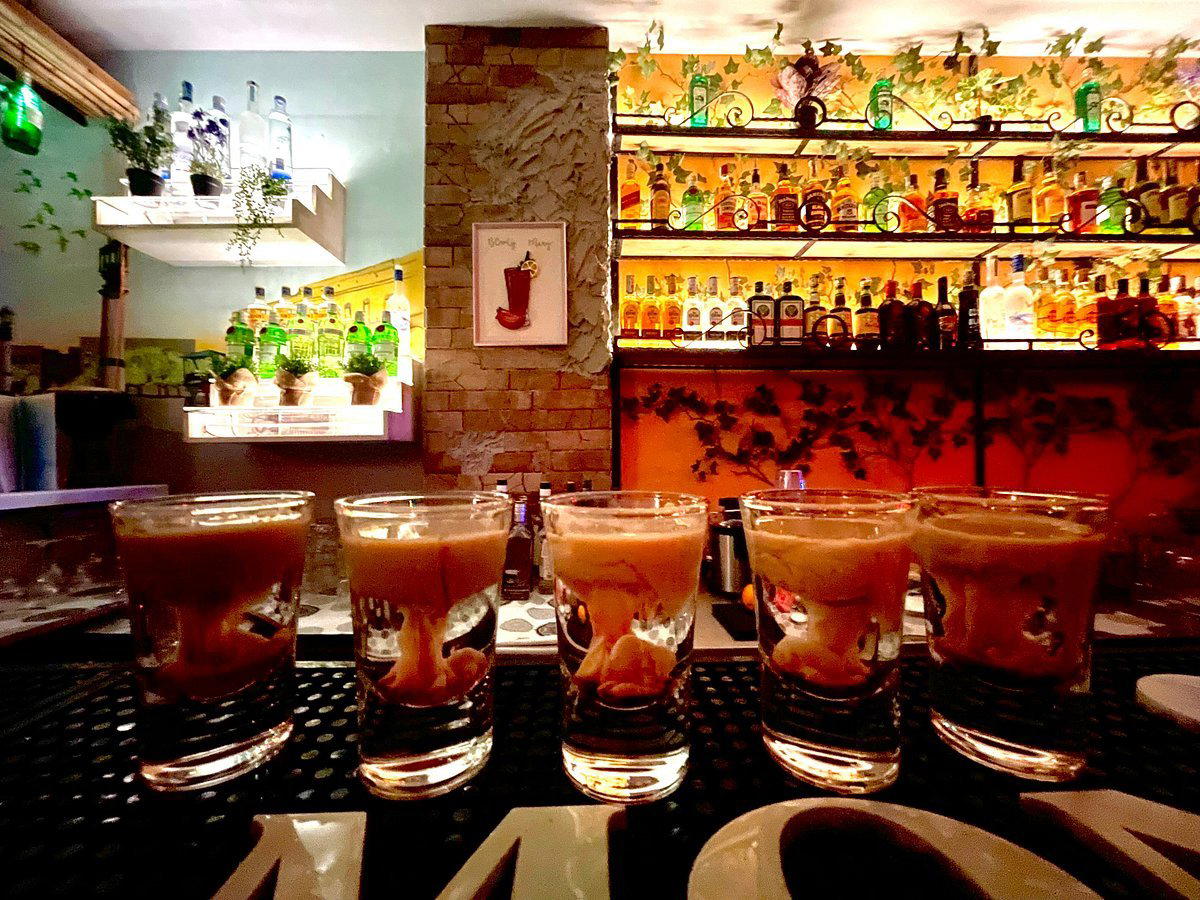
Small, dark, intimate counter-seating bar on the 9th floor with theatrical lighting focused on the bartender; orchestrated, precise atmosphere with minimal decoration emphasizing the craft.