







Passalacqua places <strong>Lake Como</strong> luxury back inside the grammar of the <strong>private villa</strong>: 24 rooms, seven terraced acres, and an 18th-century house in <strong>Moltrasio</strong> with serious hotel credentials. Its scale, design detail, <strong>Michelin Key</strong> recognition, and World's 50 <strong>Best Hotels</strong> rankings put it in a narrow Italian peer set rather than the standard grand-hotel category.
 Discover on Pearl
Pearl is the En Primeur Club membership app — saves, bookings, and concierge access live there. Same editors, same standards.
Lake Como, Seen Through a Private Villa
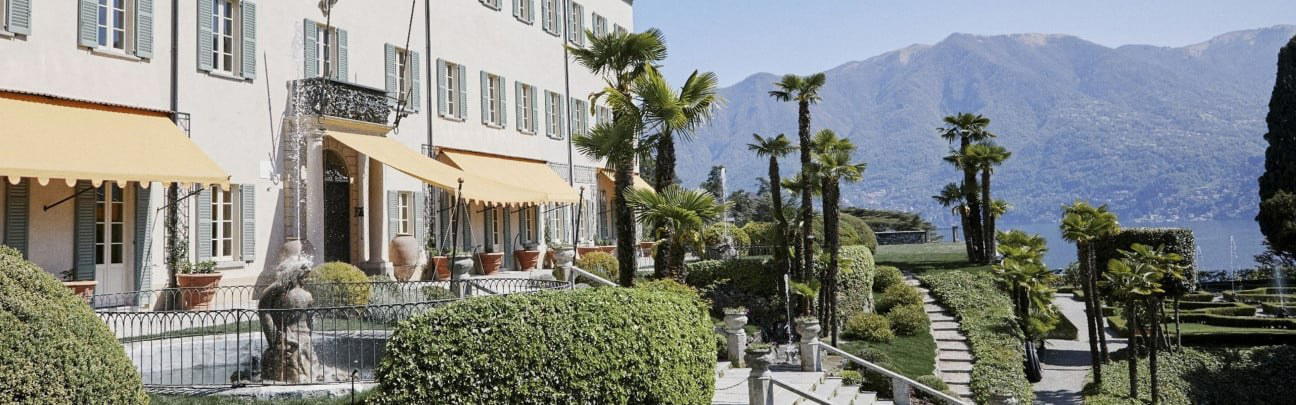
Approaching Passalacqua in Moltrasio, the first impression is not hotel machinery but estate geometry: terraces stepping toward the water, mature trees holding the slope, and an 18th-century villa arranged as a house of arrival rather than a lobby-led resort. Lake Como has always traded on theatrical setting, but its sharper hospitality distinction now lies between large palace hotels with formal public rhythms and smaller properties that make privacy, gardens, and architectural memory feel like the main event. This address belongs firmly to the second camp.
The building dates to the late 18th century and was designed for Count Andrea Lucini Passalacqua. Since 1787 it operated as a private home before its 2022 conversion into a 24-room hotel by the De Santis family, owners of Grand Hotel Tremezzo. That history matters because Como luxury can lapse into generic grandeur when the lake view does too much of the work. Here, the competitive point is scale: 24 rooms across the Villa, Palazz, and Casa al Lago, set within seven acres of terraced gardens. The result places it closer to a private-house hotel than to the grand lakeside institutions that built Como’s 20th-century reputation.
The recognition has followed quickly. Passalacqua was named World’s 50 Best Hotels #1 in 2023, World’s 50 Best Leading Hotels #4 in 2025, received Michelin 1 Key in 2024, and appears on La Liste Leading Hotels 2026 with 91.5 points. Those awards are not decorative trivia. They signal that the hotel is being judged against the strongest new luxury properties globally, while its operational model remains compact enough to feel residential. For a lake long associated with heritage hotels, that combination has become the modern point of difference.
Architecture Before Amenity
Italian luxury hospitality has spent the past decade turning historic buildings into edited experiences: monastic compounds, aristocratic palazzi, former estates, and coastal villas recast for a traveller who wants provenance without museum stiffness. Passalacqua sits in that movement, but the stronger reading is architectural rather than lifestyle-driven. The Villa contains 12 rooms with frescoes, stuccoes, and decorative detailing. The Palazz, the former stables, holds eight suites with exposed beams and hand-painted walls. Casa al Lago, close to the water, has four suites, each with a private garden. The division creates three different interpretations of Como living rather than one repeated room product.
The design vocabulary is intensely Italian in its material references. Rubelli and Fortuny fabrics, Barovier & Toso chandeliers, Barbini mirrors, and Beltrami bed linen appear in the database record not as a shopping list but as evidence of a restoration strategy built around craft continuity. In a market where international luxury can flatten regional identity, these choices place the property in dialogue with Venetian textiles, glassmaking traditions, and domestic Italian decorative arts. The interiors do not need to imitate a private villa; the building already has that authority. The design task is to keep the house legible while making it function as a contemporary hotel.
That is also why the gardens matter more than they would at a conventional resort. Seven acres are arranged over eight scenic terraces leading toward the shore, with cedars, magnolias, palms, fountains, an Italian garden, rose garden, solarium with pool, meditation area, and olive grove. Lake Como hotels often use the water as a cinematic backdrop. This estate uses elevation, shade, paths, and staged descent to turn the lake into part of a larger composition. The open-air gym in the olive grove and the lakeside tennis court read as amenities, but their real function is spatial: they distribute the stay through the grounds rather than concentrating guests around one terrace.
Villeggiatura, Not Resort Programming
The useful cultural word here is villeggiatura, the Italian tradition of withdrawing to a country or lakeside house for the season. In hospitality terms, it explains why Passalacqua’s strongest proposition is not a checklist of facilities but the sense of inhabiting a place at leisure. Meals can be arranged across indoor and outdoor spaces, with the database describing a relaxed, garden-to-table approach and an Italian home-style dining program led by Chef Viviana Varese. The emphasis is not a destination restaurant model. It is domestic abundance, the kind of hospitality that makes breakfast in a rose garden or a meal near the water feel natural to the property rather than staged for social media.
This is a meaningful distinction on Lake Como. The lake has the infrastructure of luxury tourism, but its older pleasure was seasonal domesticity: villas, boat landings, gardens, long lunches, and the slow movement between shore and hillside. A hotel of 24 rooms can recover some of that rhythm in a way a larger property cannot. The henhouse, where guests can collect fresh eggs for breakfast, is the type of detail that can sound twee in isolation. Within this estate model, it reinforces the idea that the kitchen and garden are connected systems rather than decorative claims.
The wellness spaces follow the same architectural logic. The spa is housed in the Palazz, and the wet area is carved from an underground tunnel, one of the estate’s historical curiosities. Como has a long tradition of hidden passages, boat houses, and private routes between villa and water, and Passalacqua uses that subterranean feature as part of the experience rather than a novelty. Treatments are described as drawing on local ingredients and Italian wellness practices, but the more interesting point is placement: even recovery is absorbed into the building’s inherited structure.
The Lake Como Peer Set
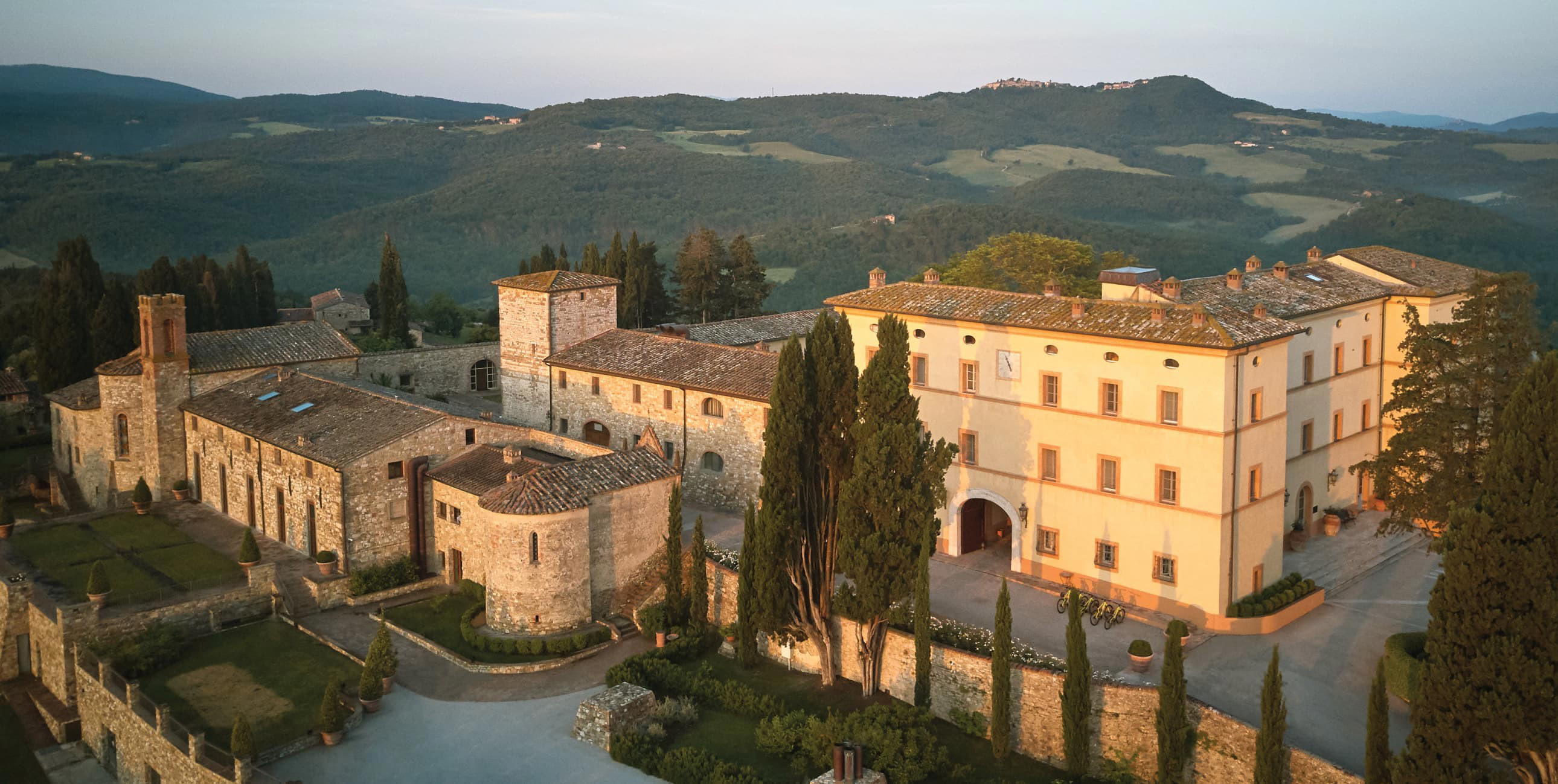
For travellers comparing Italian hotels at this level, the question is rarely whether a property is luxurious. It is what kind of luxury the architecture permits. Grand Hotel Victoria in Menaggio offers another Lake Como reference point, while Passalacqua’s smaller room count and private-estate structure make it a different proposition from a larger lakeside hotel. Within Italy, it sits alongside properties where the building carries the editorial argument: Castello di Reschio in Lisciano Niccone for estate restoration, Casa Maria Luigia in Modena for domestic cultural hospitality, and Aman Venice in Venice for palazzo life adapted to hotel service.
The coastal and city comparisons clarify the point. Borgo Santandrea in Amalfi Coast uses vertical seaside architecture and mid-century lines; Il San Pietro di Positano in Positano frames coastal seclusion through cliffside engineering. In Florence, Four Seasons Hotel Firenze in Florence works through Renaissance garden grandeur, while Portrait Milano in Milan translates urban heritage into a fashion-city address. Passalacqua’s domain is narrower and more residential: the villa as self-contained world, the lake as an extension of the garden, and the room count kept low enough for the house to remain believable.
That peer set extends beyond Italy when looking at how historic buildings are being used by luxury travellers. The Fifth Avenue Hotel in New York City, Cheval Blanc Paris in Paris, and Hotel Sacher Wien in Vienna each show how heritage can be made current without severing it from place. Passalacqua’s answer is less metropolitan and more seasonal. It does not ask the city palace question of how to animate a landmark; it asks how much of a private villa can survive when hotel service enters the house.
Rooms, Gardens, Boats, and the Question of Choice
Room choice should begin with the desired relationship to the estate. The Villa is the architectural core, with 12 rooms and the strongest connection to the original aristocratic interiors. The Palazz suits travellers drawn to a quieter stable-building atmosphere and proximity to the spa. Casa al Lago is the water-facing choice, with four suites and private gardens close to the shore. Published pricing in the database starts at $1,278, and at this level the decision should be based less on square footage than on how the stay will be used: formal house, garden retreat, or lake-edge privacy.
The grounds create much of the daily rhythm. A panoramic pool, open-air gym in the olive grove, lakeside tennis court, movie nights outdoors, garden spaces for yoga or meditation, and terraces descending toward the water make the property feel dispersed. This is not a hotel where the lobby bar supplies the social center. The scene is quieter and more spatially choreographed: morning in the garden, time by the pool, movement through terraces, then the lake by boat. Two Riva motorboats are listed for exploring the water, and the record also refers to Beppe the boatman and routes toward the marina. The boat culture is not an add-on on Como; it is the correct way to understand the villas, villages, and shorelines.
Moltrasio gives the hotel a useful position. The village sits on the western shore of Lake Como, with the database placing it about fifteen minutes from Como town. That matters for travellers who want lake life without committing to the busier town-centre rhythm. The address, Via Besana, 59, 22010 Moltrasio CO, puts the stay inside a smaller lakeside village rather than a resort enclave. For broader planning around the area, EP Club’s local pages are useful companions: Our full Moltrasio hotels guide, Our full Moltrasio restaurants guide, Our full Moltrasio bars guide, Our full Moltrasio wineries guide, and Our full Moltrasio experiences guide.
Italian Hotel Context Beyond Como
Passalacqua’s rise also says something about the current Italian hotel market. The stronger properties are not merely polished; they are specific about how place is organized. Rosewood Castiglion Del Bosco in Montalcino works through Tuscan estate scale and wine-country life. Corte della Maestà in Civita di Bagnoregio is defined by village intimacy. JK Place Capri in Capri reads through island-house sociability. Savoia Excelsior Palace Trieste – Starhotels Collezione in Trieste belongs to the Adriatic grand-hotel tradition.
Rome, Puglia, Tuscany, Sorrento, and the Argentario each have their own grammar. Bulgari Hotel Roma in Rome uses metropolitan polish; Il Pellicano in Porto Ercole trades on coastal club culture; Borgo Egnazia in Savelletri di Fasano builds a Puglian village language; Castelfalfi in Montaione works through countryside breadth; Bellevue Syrene 1820 in Sorrento frames the Bay of Naples through historic seaside architecture. Passalacqua’s distinction is that it compresses a great deal of Italian hotel intelligence into 24 rooms: aristocratic fabric, garden sequence, lake access, and a service model designed around the feeling of private residence.
Planning a Stay
Advance planning is sensible because the hotel has only 24 rooms and carries unusually strong demand signals: World’s 50 Best Hotels #1 in 2023, Michelin 1 Key in 2024, World’s 50 Best Leading Hotels #4 in 2025, and a La Liste Leading Hotels 2026 score of 91.5. Public database details do not list a phone number, website, booking method, hours, or dress code, so confirmations should be handled through the hotel’s official channels or a trusted travel advisor rather than assumptions. Google reviews show 4.6 from 333 ratings, useful as a broad public signal but less important than the awards when assessing its peer position.
The price marker of $1,278 places the property in the upper tier of Italian resort hotels, and the value case is strongest for travellers who will use the estate rather than treat it as a sleeping address between lake excursions. The gardens, boats, pool, spa, tennis court, and multiple dining settings are not peripheral. They are the reason to stay in Moltrasio rather than simply pass through Lake Como. The sharper itinerary is not over-scheduled: choose the room zone carefully, leave time for the terraces and water, and let the architecture do the work.
Fast Comparison
These are the closest comparables we have in our database for quick context.
| Venue | Cuisine | Price | Awards | Notes |
|---|---|---|---|---|
| Passalacqua | Michelin 1 Key | This venue | ||
| Aman Venice | Michelin 3 Key | |||
| Cipriani, A Belmond Hotel, Venice | Michelin 3 Key | |||
| Four Seasons Hotel Firenze | Michelin 2 Key | |||
| Rosewood Castiglion Del Bosco | Michelin 3 Key | |||
| Bulgari Hotel Roma | Michelin 1 Key |
Continue exploring
More in Moltrasio
Hotels in Moltrasio
Browse all →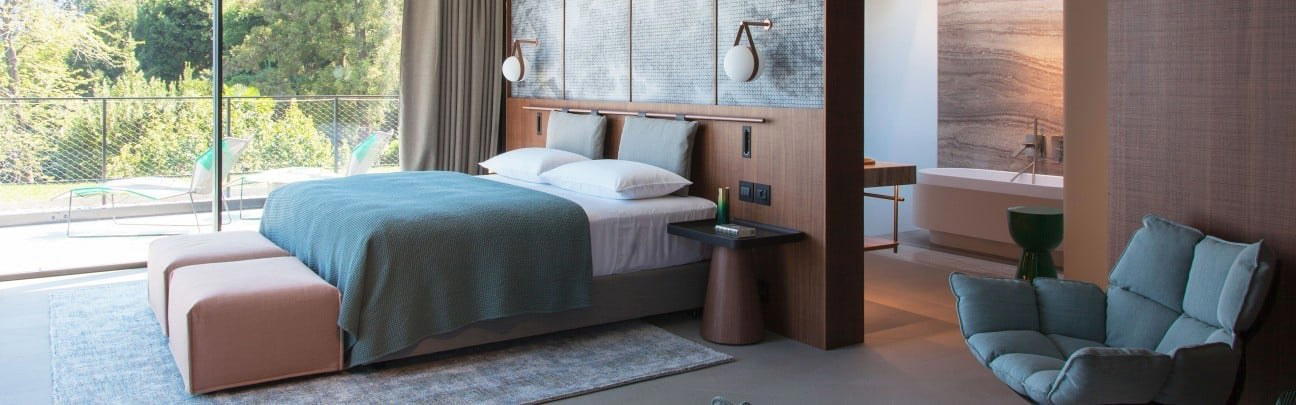
Bars in Moltrasio
Browse all →
Restaurants in Moltrasio
Browse all →

At a Glance
- Romantic
- Elegant
- Scenic
- Opulent
- Sophisticated
- Intimate
- Classic
- Honeymoon
- Romantic Getaway
- Anniversary
- Weekend Escape
- Waterfront
- Panoramic View
- Private Villa
- Historic Building
- Garden
- Terrace
- Pool
- Spa
- Fitness Center
- Room Service
- Concierge
- Wifi
- Garden
- Sauna
- Tennis
- Restaurant
- Waterfront
- Garden
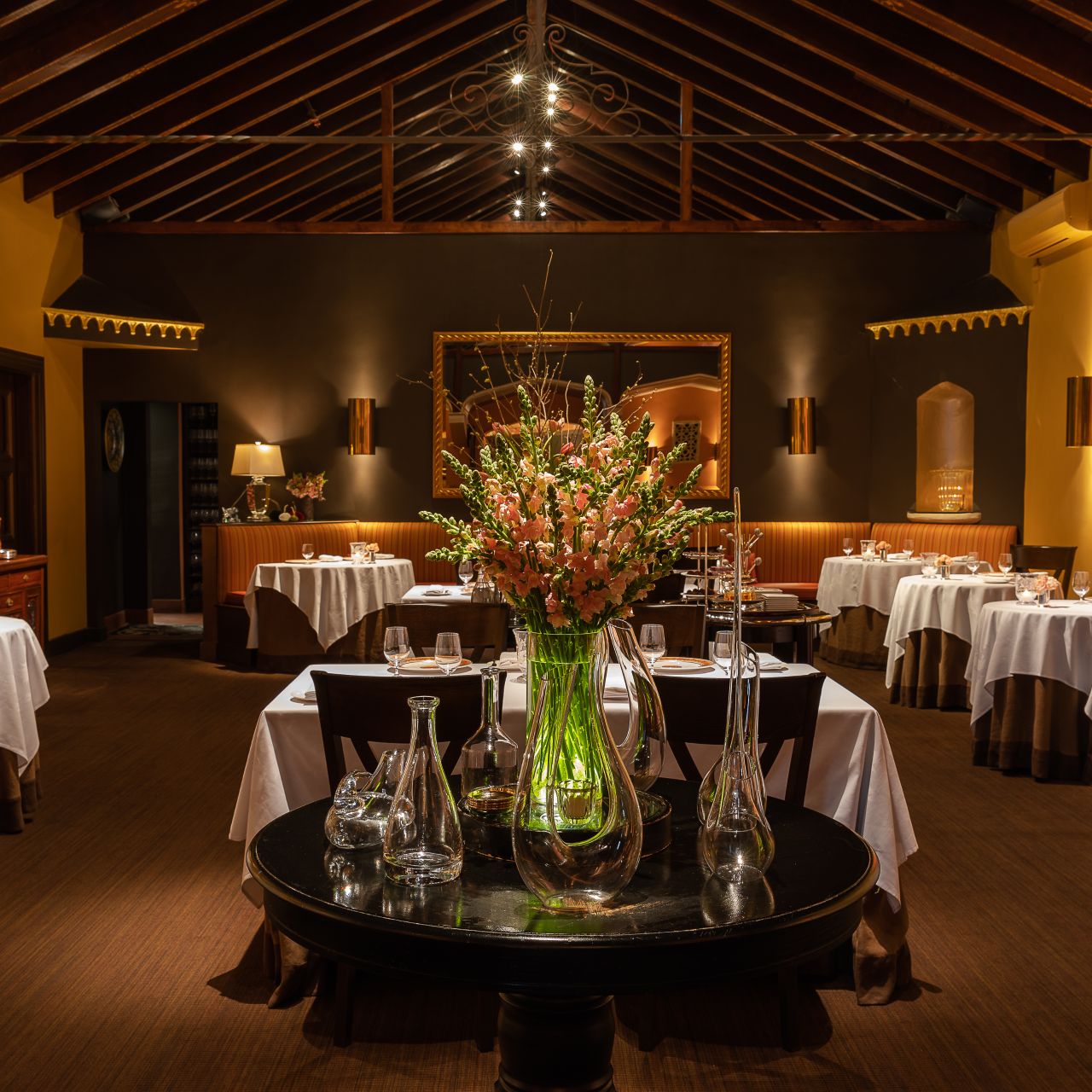
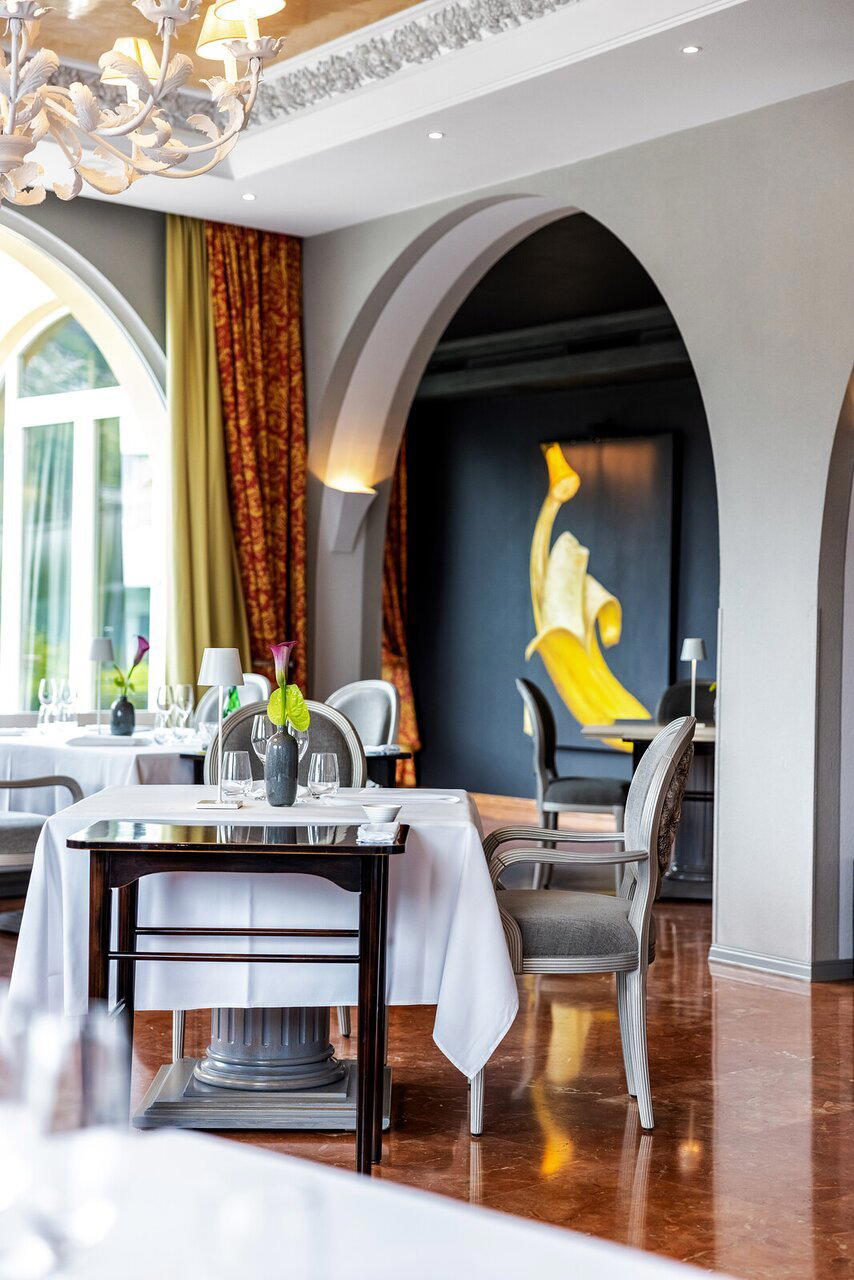
Tranquil and elegant with natural light, panoramic lake views framed by ancient trees, classic decor featuring Carrara marble, chandeliers, antiques, and a serene atmosphere praised in guest reviews.