Viña Montes


<strong>Viña Montes</strong> places <strong>Santa Cruz</strong> wine culture in a polished, terroir-led frame, with a <strong>Pearl 4</strong> <strong>Star Prestige</strong> rating for 2025 and an address on I-350 in the O’Higgins region. The appeal sits less in spectacle than in <strong>how the estate reads Colchagua’s</strong> dry heat, slopes, and red-wine tradition through a highly composed winery experience.
 Discover on Pearl
Pearl is the En Primeur Club membership app — saves, bookings, and concierge access live there. Same editors, same standards.
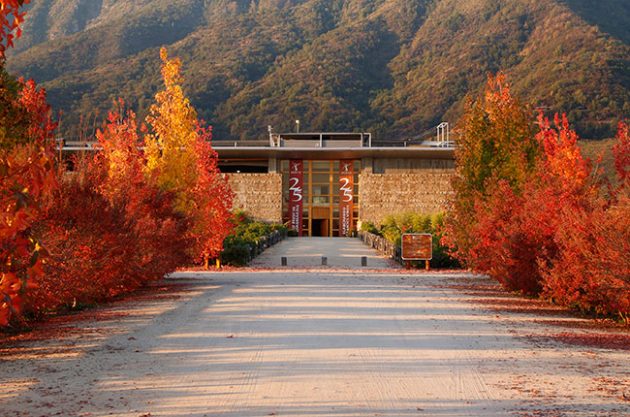
Water, angels, and the dry grammar of Colchagua
Approaching a winery in Santa Cruz, the first lesson is often not in the glass but in the setting: vines trained against a valley of hard sunlight, the Andes as a climatic wall, and architecture trying to make sense of agricultural scale. At Viña Montes, the database record itself points to a consciously staged atmosphere: a feng shui winery, guardian angels on the labels, and calming water fountains as part of the house identity. That language matters because Santa Cruz wine tourism has become a study in how estates frame terroir before a cork is pulled. The land gives the primary argument, dry heat, diurnal shift, alluvial influence, and the broader Colchagua reputation for structured reds. The visitor experience then decides whether that argument is delivered with restraint or theatre.
In this part of Chile, the story is not simply “wine country.” Santa Cruz sits inside the O’Higgins region, where Colchagua has built its international name around ripe, generous reds, particularly Cabernet Sauvignon, Carmenère, Syrah, and blends shaped by warm days and cooler nights. Viña Montes belongs to the polished end of that conversation. Its Pearl 4 Star Prestige rating for 2025 gives it an EP Club trust signal, but the more interesting point is what such recognition implies: this is not a rustic cellar-door stop operating only on local charm. It sits in the peer set of destination wineries where architecture, label mythology, vineyard identity, and tasting choreography all carry weight.
Terroir before technique
Colchagua’s strength is legibility. Many wine regions speak in small variations that require years of reference bottles; here, the broad strokes announce themselves quickly. The valley’s sunlight gives red varieties concentration, while altitude, exposure, and night-time cooling decide whether that power lands as structure or excess. A Santa Cruz tasting circuit therefore rewards visitors who pay attention to texture and shape rather than only variety names. The useful questions are direct: does the wine feel built from heat alone, or does it carry tension; does oak frame the fruit or flatten the site; does Carmenère read as herbal and dark-fruited rather than sweet and broad?
Viña Montes is a useful lens for those questions because its public identity has long been tied to a cultivated sense of order. The feng shui reference, the guardian angel motif, and the water elements noted in the venue record are not incidental decoration in a region where wineries often compete through place-making as much as through bottle lists. They signal a house trying to translate land into ritual. That approach will appeal to travelers who want terroir presented with design discipline rather than a purely technical cellar conversation. It will be less compelling for visitors seeking a rough-edged agricultural visit with minimal framing.
The stronger way to read the estate is against its Santa Cruz neighbors. Viña Viu Manent is often associated with the valley’s hospitable, heritage-led face, while Viña Apaltagua broadens the picture of Colchagua as a region of accessible, varied estates. Clos Apalta (Casa Lapostolle) pushes the comparison into a more architectural, collectible, high-ambition register. Viña Montes sits naturally among these reference points, less as a standalone monument than as part of Santa Cruz’s shift from agricultural valley to curated wine destination.
The Santa Cruz tasting circuit has become more strategic
Wine travel in Santa Cruz now rewards sequencing. A first-time visitor who schedules several estates in a single day will get more from the route by comparing formats rather than chasing labels. One winery might explain old-family hospitality, another might foreground modern architecture, another might use the tasting room to sharpen an argument about hillside fruit or blending. Viña Montes works well in that middle-to-premium tier where the experience is expected to be composed, visually controlled, and supported by recognition. The Pearl 4 Star Prestige rating for 2025 gives a current editorial marker, while the I-350 address places it within the practical orbit of Santa Cruz rather than as a remote detour.
The region’s appeal also depends on the visitor’s broader itinerary. Santa Cruz has enough wine infrastructure to anchor a dedicated stay, but it is more rewarding when treated as part of a larger Central Valley reading. Viña Casa Silva in San Fernando extends the O’Higgins conversation with another established name. Farther south, El Gobernador (Miguel Torres Chile) in Curicó introduces a different institutional history within Chilean wine. North of Santiago’s orbit, Viña Seña in Panquehue pulls the discussion toward Chile’s high-end, allocation-driven prestige model. Those comparisons make Santa Cruz easier to understand: it is not trying to be every Chilean wine region at once. Its force lies in red-wine confidence, visitor-ready estates, and a climate whose signature is easy to perceive.
What the rating tells you, and what it does not
A Pearl 4 Star Prestige rating in 2025 is a meaningful signal for EP Club readers because it separates Viña Montes from casual cellar-door listings. It indicates a venue with enough polish, recognition, and destination value to merit attention within a premium travel context. It does not, by itself, specify the wines poured on a given day, the exact tasting format, current pricing, opening hours, or reservation requirements. Those fields are not available in the venue record, so the responsible reading is disciplined: trust the rating as a quality marker, then confirm operational details directly before arranging a visit.
This distinction matters in Chilean wine country because many estates vary their visitor programs by season, group size, language, and availability. Harvest periods can alter the rhythm of a winery, while weekends and holiday windows may compress availability across Santa Cruz. Without verified hours, phone, or website data in the record, the safest planning stance is to treat the visit as requiring advance confirmation through current official channels or a travel planner. The absence of listed price data also means Viña Montes should not be treated as a budget stop or a luxury splurge by assumption. Its rating and positioning suggest a polished experience, but price needs confirmation rather than guesswork.
How to place Viña Montes among Chilean and international winery experiences
Chile’s premium winery scene often divides into three broad formats. There are historic estates that trade on continuity, production scale, and national significance. There are architectural destinations where the building becomes a public statement about ambition. Then there are terroir-led estates where the visitor program works as a controlled explanation of land, exposure, and house style. Viña Montes draws from the second and third categories. The feng shui framing and guardian-angel imagery give it a symbolic identity, while the Santa Cruz location anchors that symbolism in Colchagua’s red-wine climate.
International comparisons help sharpen the point without overstating it. Bodegas Ysios in Laguardia uses architecture to dramatize Rioja’s relationship with landscape, while Cakebread Cellars in Rutherford speaks to Napa’s polished visitor culture and Cabernet-centered hospitality. Chile’s version is different: the distances are larger, the Andes presence is stronger, and the value conversation has historically been more favorable than in Napa or Burgundy. Santa Cruz, especially, can feel direct in its climatic expression. The glass often explains the weather before the guide needs to.
Within Chile, Viña Undurraga in Talagante and Viña Valdivieso in Lontué broaden the map beyond Colchagua, showing how established Chilean names operate across different regional identities. Viña Montes is more tightly associated here with the Santa Cruz circuit, where the point is not only production reputation but the way a guest experiences the valley’s agricultural and design vocabulary in a single visit.
Planning a Santa Cruz day around the estate
The practical advantage of Santa Cruz is concentration. A traveler can build a wine-focused day without turning the itinerary into a road endurance test, provided each stop is selected for contrast. Viña Montes, at I-350, Santa Cruz, O’Higgins, fits a route that might pair a design-conscious estate with a heritage-leaning visit and a more intimate tasting elsewhere. Because the venue record does not include hours, price, phone number, website, or a booking method, logistics should be verified before departure rather than left to arrival. That is particularly relevant during harvest season and holiday periods, when winery teams may be focused on production or hosting prearranged groups.
Santa Cruz also works better with a dining and lodging plan than as a bare tasting run. The town and surrounding valley have enough hospitality depth to justify an overnight stay, especially for travelers who prefer not to compress several tastings into a single transfer day from Santiago. For broader planning, EP Club’s city pages are useful anchors: Our full Santa Cruz restaurants guide for meals around tastings, Our full Santa Cruz hotels guide for where to base the night, Our full Santa Cruz bars guide for post-tasting drinks, Our full Santa Cruz wineries guide for cellar-door comparisons, and Our full Santa Cruz experiences guide for activities beyond wine.
The editorial verdict
Viña Montes is strongest when approached as a composed expression of Colchagua rather than a casual tasting-room detour. The land supplies the essential vocabulary: heat, red varieties, dry-season intensity, and a valley architecture defined by mountains and vine rows. The estate adds a layer of symbolism through feng shui, guardian angels, and water, which can either deepen the sense of place or feel highly staged depending on the traveler’s taste. That tension is part of the appeal. Santa Cruz wine tourism is no longer only about what is poured; it is about how estates translate terrain into memory, ritual, and commercial identity.
For EP Club readers, the case is clear enough. The 2025 Pearl 4 Star Prestige recognition provides a current quality signal, the Santa Cruz address places it in one of Chile’s key wine-travel corridors, and the estate’s atmospheric identity gives it a distinct role within a multi-winery itinerary. The visit should be planned with operational caution because the available record does not confirm current hours, pricing, phone contact, website, or reservation rules. Treated that way, Viña Montes becomes a useful benchmark for understanding how modern Colchagua sells itself: not by hiding the heat and scale of the valley, but by shaping them into a controlled, legible experience.
Style and Standing
A fast peer set for context, pulled from similar venues in our database.
| Venue | Cuisine | Awards | Notes |
|---|---|---|---|
| Viña Montes | This venue | ||
| Viña Viu Manent | |||
| Clos Apalta (Casa Lapostolle) | |||
| Viña Apaltagua |
Continue exploring
More in Santa Cruz
Wineries in Santa Cruz
Browse all →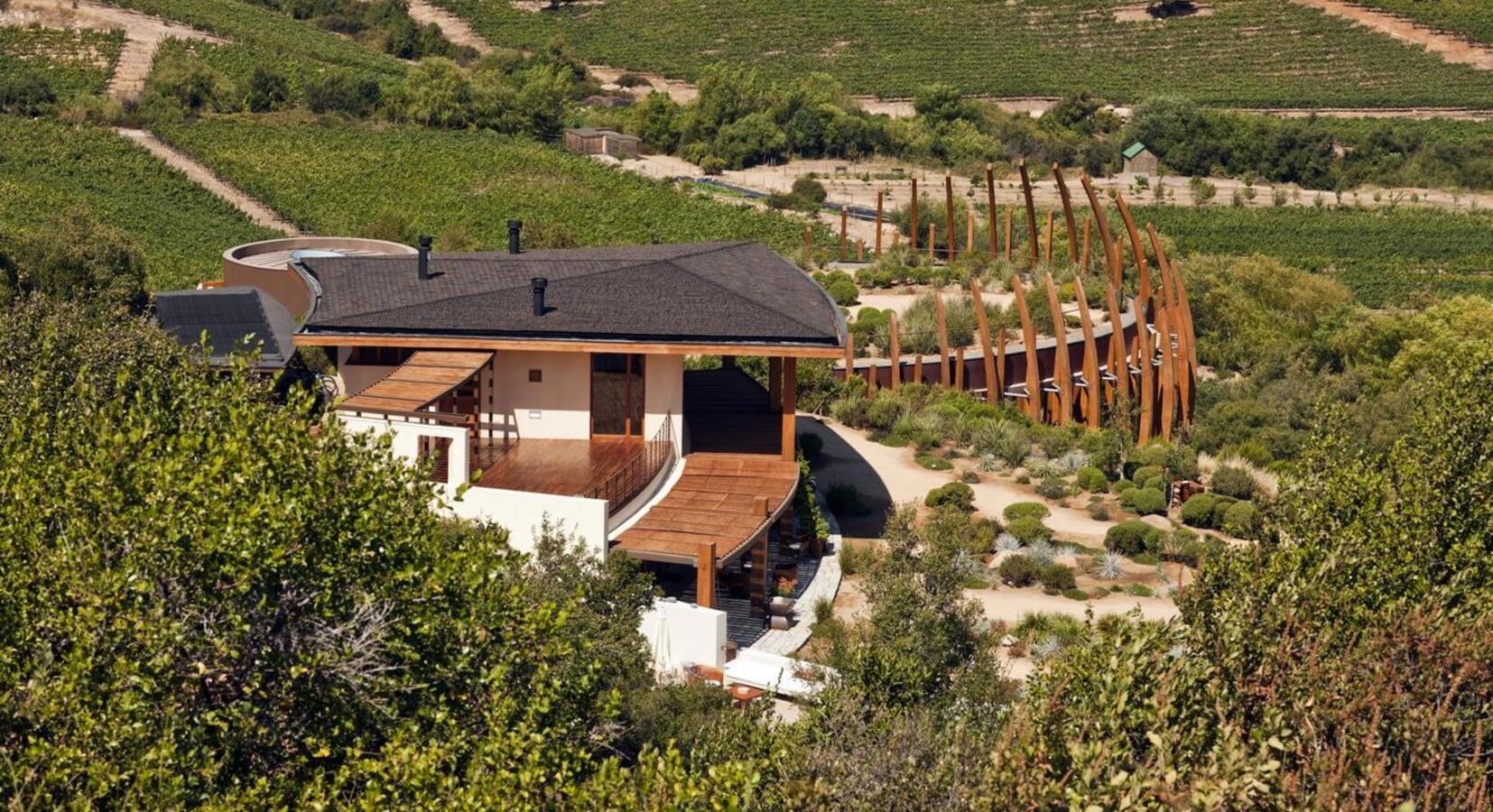
Restaurants in Santa Cruz
Browse all →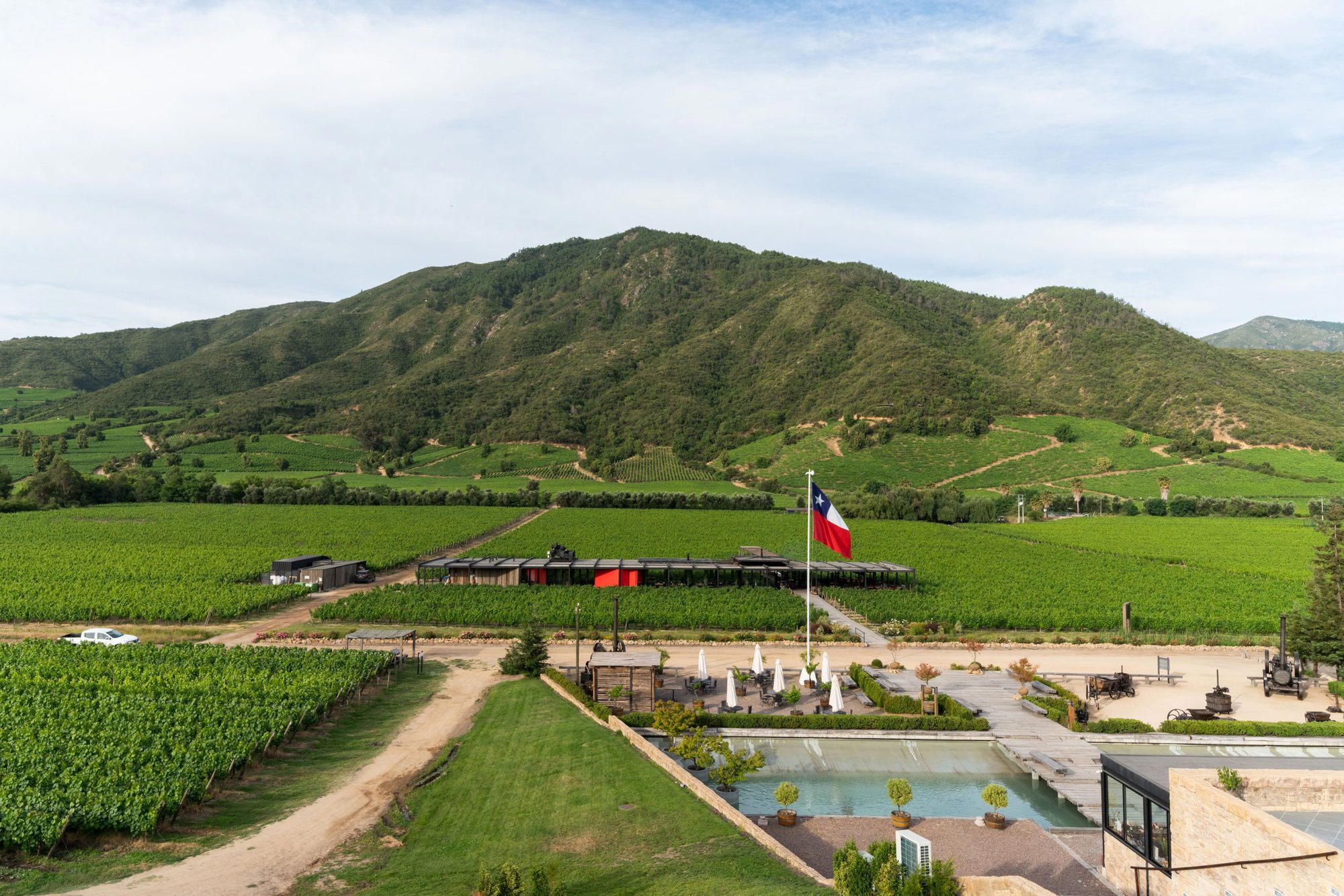

At a Glance
- Scenic
- Elegant
- Sophisticated
- Iconic
- Wine Education
- Romantic Getaway
- Group Outing
- Special Occasion
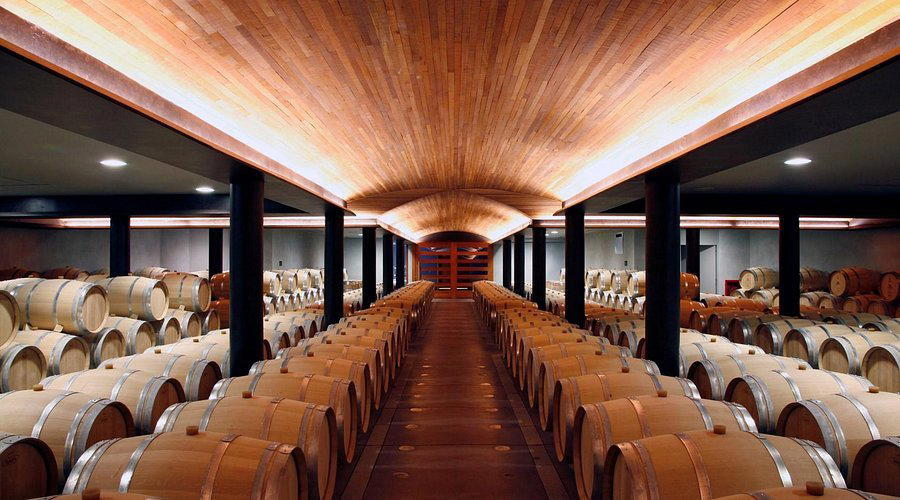
- Barrel Room
- Vineyard Tour
- Estate Grounds
- Panoramic View
- Design Destination
- Private Tasting
- Sustainable
- Dry Farmed
- Vineyard
- Mountain
- Garden
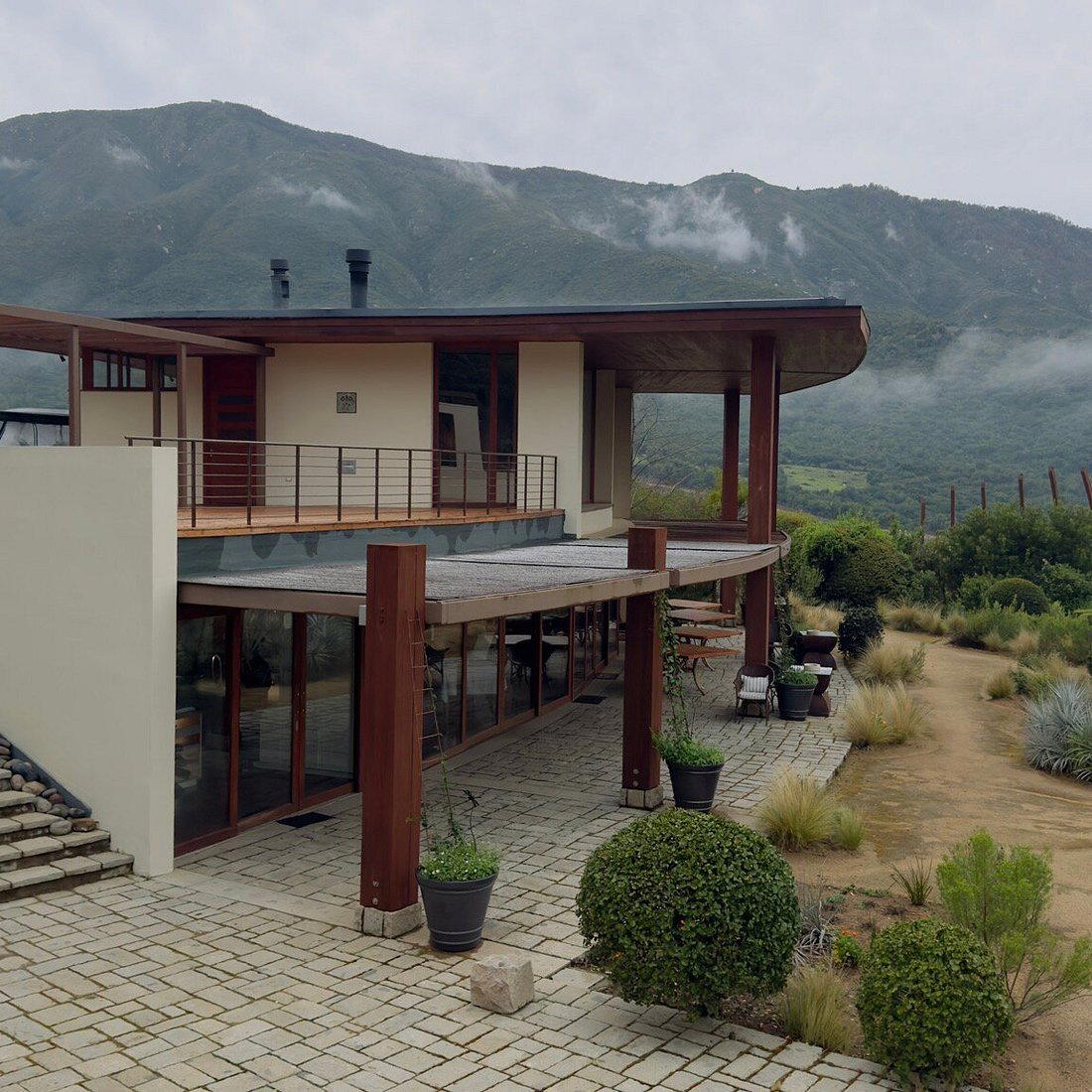
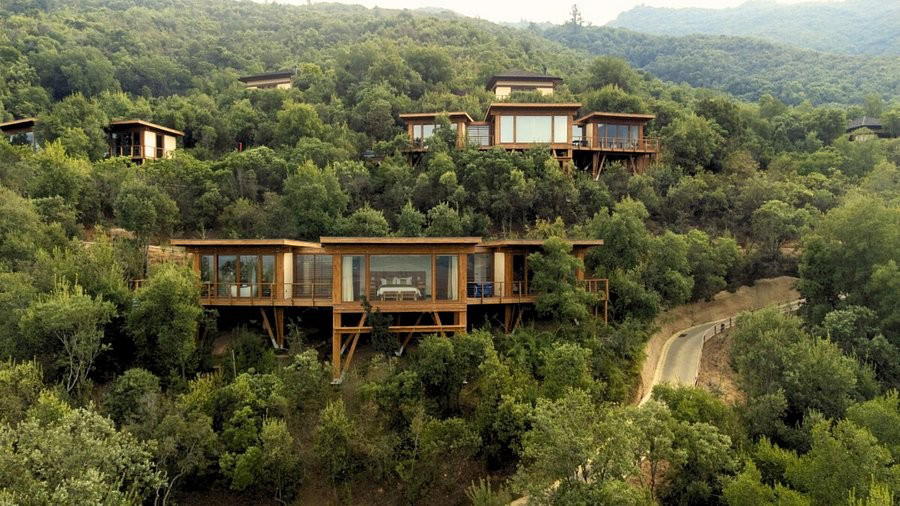
Modern yet mystical atmosphere with natural light from contemporary architecture, surrounded by vineyard vistas and mountain backdrops; the barrel room creates a contemplative, almost spiritual setting.