Viña VIK


<strong>Viña VIK</strong> places Chilean <strong>wine tourism</strong> in the <strong>Millahue</strong> Valley rather than a tasting-room template. Its <strong>Pearl 4 Star Prestige</strong> recognition in 2025 and architecture framed by the Andes make it a serious reference point for travelers reading Chile through terroir, design, and the slow shift from cellar-door visits to full <strong>destination</strong> estates.
 Discover on Pearl
Pearl is the En Primeur Club membership app — saves, bookings, and concierge access live there. Same editors, same standards.
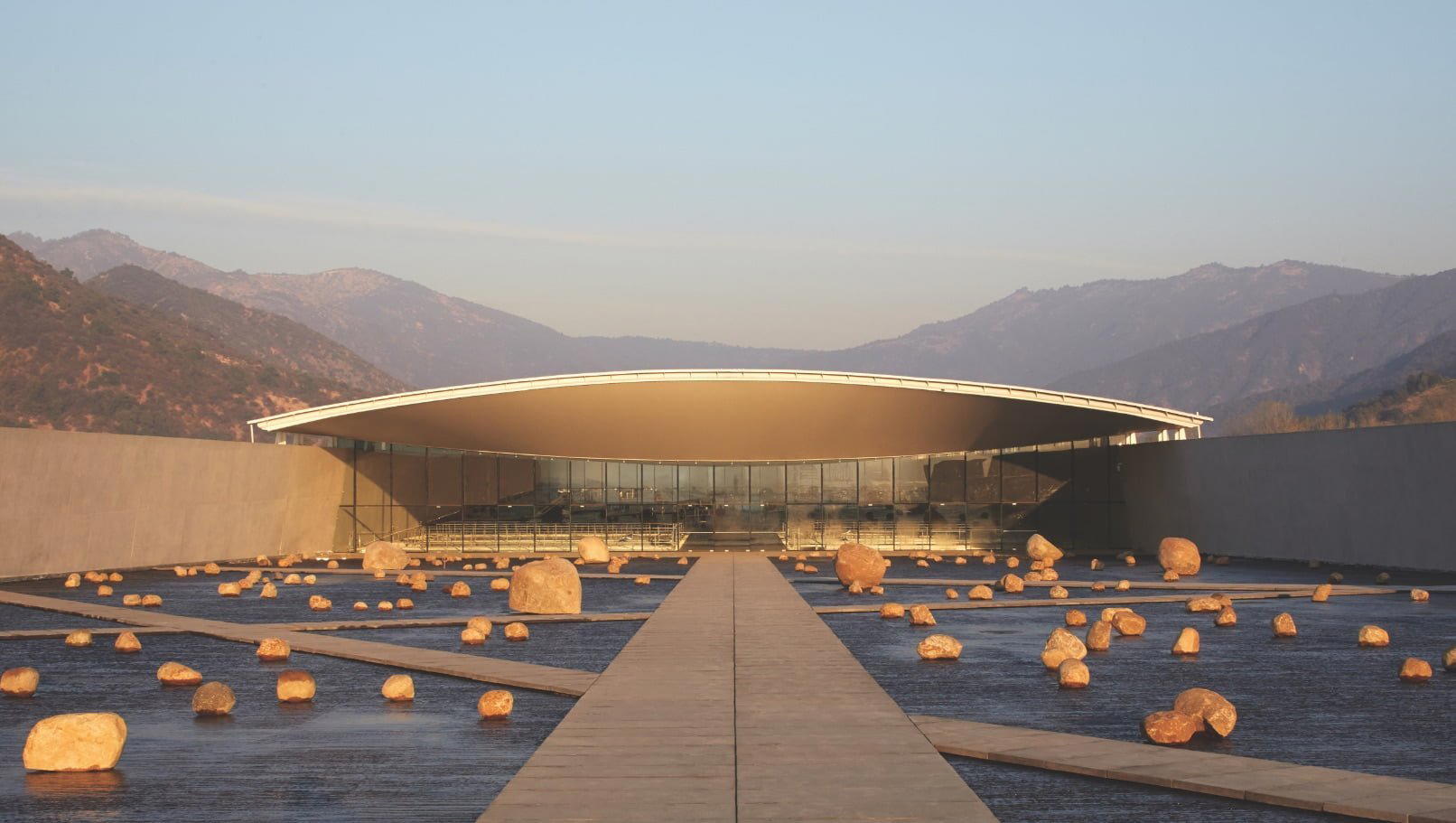
Where Millahue turns wine tourism into terrain
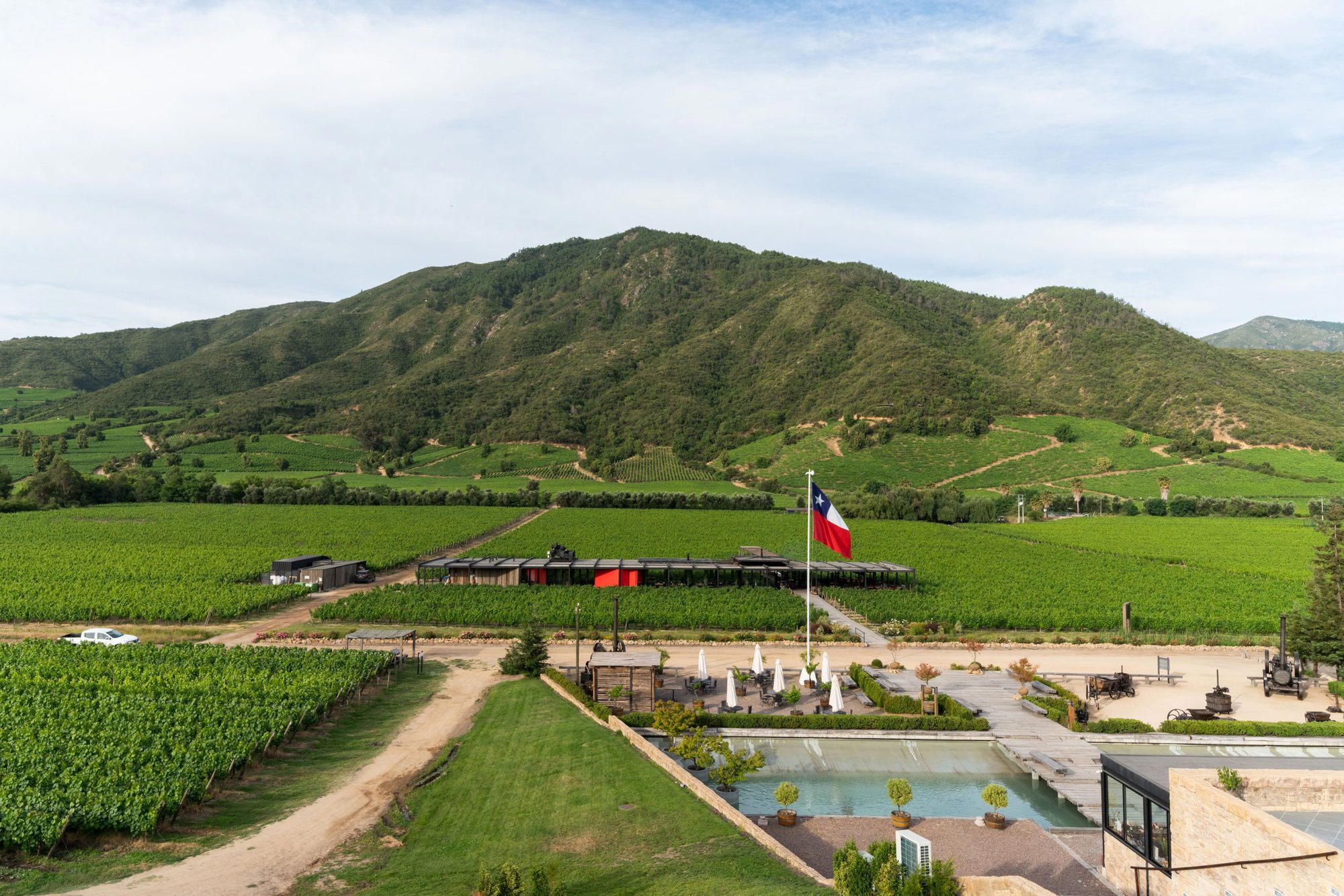
The approach is defined by scale before service enters the picture: the Andes in the background, open O'Higgins country around San Vicente de Tagua Tagua, and a titanium-and-bronze roof catching the sun above the hotel below. That detail matters because Chilean wine tourism has often been read through labels and export markets first, with place treated as supporting evidence. Here, the visual argument comes earlier. The building announces that the valley is not scenery attached to a cellar; it is the frame through which the wine, the hospitality, and the estate experience are meant to be understood.
Viña VIK sits in Millahue, within the commune of San Vicente de Tagua Tagua, at Rincon de Millahue SN, 2970000 San Vicente de Tagua Tagua, O'Higgins. The database record does not provide public opening hours, phone details, website, tasting prices, or a booking method, so planning should be treated as appointment-led rather than casual drop-in. That distinction is useful in Chile, where premium wineries range from urban-adjacent tasting rooms to estates that function as full-day destinations. This belongs to the latter category: the address alone signals a rural commitment, and the Pearl 4 Star Prestige recognition in 2025 places it in a credentialed tier rather than a simple cellar-door stop.
Terroir as the headline, not the background
Chile's central wine country is often simplified into a story of sunshine, Cabernet, and reliable ripeness. The better reading is more granular. Valleys shift by exposure, altitude, wind, drainage, and proximity to mountain influence; two estates within the same broad region can produce different arguments in the glass. Millahue's appeal lies in that specificity. A luxury estate here is not merely selling access to vines. It is selling the idea that a defined pocket of O'Higgins can carry enough identity to justify the journey inland.
That is the critical difference between winery tourism and terroir tourism. Winery tourism can survive on a tasting counter, a label story, and a view. Terroir tourism requires the land to remain legible throughout the visit: the slope, the light, the dry air, the distance from urban noise, the architecture's response to exposure. The Pearl citation's repeated image of the Andes, the sunlit metal roof, and art-lined interiors is not incidental decoration. It describes a property built to keep landscape, design, and wine in the same conversation.
In practical terms, this means the estate should be judged against a peer set that includes design-led winery hotels and serious destination estates, not against quick tasting rooms near larger cities. For travelers comparing Chilean wine regions, that shift is significant. Maipo and Casablanca are easier to fold into a Santiago itinerary, while the Colchagua and O'Higgins axis rewards visitors willing to slow down and treat the valley as the main event. The payoff is not speed; it is context.
Chile's premium winery model is changing
The older international image of Chilean wine leaned on value, consistency, and varietal clarity. That reputation helped build the country's export strength, but it also flattened public understanding of its regions. The current premium conversation is different. Estates now compete on site definition, architectural seriousness, hospitality depth, and cultural programming as much as bottle recognition. In that context, Viña VIK reads less like an isolated project and more like evidence of a national shift: Chilean wine is being presented as an experience of geography, not only as a category on a retail shelf.
There are useful comparisons across the country. Viña Seña in Panquehue belongs to the Chilean fine-wine conversation through a different lens, with an emphasis on label prestige and the Aconcagua Valley's role in the country's premium red narrative. Viña Casa Silva in San Fernando gives Colchagua another kind of regional reference point, while El Gobernador (Miguel Torres Chile) in Curicó connects Chilean wine tourism to a long-running Spanish-Chilean presence. These comparisons matter because they show how varied the premium field has become: some estates lead with heritage, some with technical reputation, others with architectural destination-making.
The Millahue model sits closer to the last category. It asks for time and attention, which is why the absence of published hours or public booking details in the available record should not be read as a minor inconvenience. It changes how the trip should be assembled. Visitors should anchor the day around the estate rather than attempt to use it as one stop in a crowded route. That is not a universal rule for Chilean wineries; it is a consequence of this particular rural setting and hospitality format.
Architecture as a tasting note for the valley
Architecture at serious wineries can go wrong when it overwhelms the farming. The stronger examples use design to clarify place: temperature, sightlines, material, silence, and distance become part of the experience rather than a distraction from it. The recorded description of the titanium-and-bronze roof with the Andes behind it gives this estate a clear visual signature, but the more interesting point is how that signature changes the visitor's frame of reference. A winery hotel in Millahue has to answer a harder question than a tasting room near a capital: why stay here, and what does time on-site reveal that a bottle cannot?
The answer lies in duration. A brief tasting can explain grape variety, vintage, and cellar technique. A longer estate experience can make the climate legible: the way afternoon light hardens across the valley, the mountain line's constant presence, the visual rhythm between cultivated land and open country. None of that requires invented tasting notes or inflated language. It requires the property to keep attention on the relationship between land and wine. The Pearl 4 Star Prestige designation supplies a trust signal, but the underlying editorial value is the way the estate represents a mature phase of Chilean wine travel.
Internationally, this places the property in conversation with winery architecture that has become part of regional identity. Bodegas Ysios in Laguardia uses sculptural architecture to speak to Rioja's landscape, while Cakebread Cellars in Rutherford represents a Napa model where estate hospitality and regional expectation are tightly linked. Chile's version is not a copy of either. Its sharper estates have to reconcile a younger international luxury image with old agricultural realities: isolation, dry conditions, mountain influence, and the long distances between regions.
How it compares within Chile
For a traveler building a Chile wine itinerary, the decision is less about choosing a single winner and more about deciding which version of the country's wine story matters. Viña Undurraga in Talagante sits closer to the historic and accessible side of the central valley conversation. Viña De Martino in Isla de Maipo points toward a producer-led reading of Maipo identity. Viña Valdivieso in Lontué brings the Maule-area conversation into view, and Viña Falernia in Vicuña shifts the map north toward Elqui, where altitude and aridity change the discussion entirely.
Against that range, the Millahue estate is compelling because it fuses destination hospitality with a defined rural setting. That does not make it interchangeable with every luxury winery in Chile. It means its audience is different from the traveler seeking a compact tasting between city appointments. The right comparison is with estates where the architecture, accommodation, and wine are designed to slow the pace of the day. Viña Ventisquero in Santiago offers another point of contrast because a Santiago-linked reference creates a different logistical relationship with the visitor. Millahue asks for commitment; the city-adjacent model asks for efficiency.
That commitment is also why the estate works as a reading of terroir rather than just a hospitality product. The more remote a wine destination becomes, the less convincing it is when the land feels incidental. Here, the Andes-backed setting and the O'Higgins address are central to the experience. The property is not trying to disappear into the background; it makes the valley visible, then lets the wine program inherit that sense of place.
Planning the visit around San Vicente de Tagua Tagua
San Vicente de Tagua Tagua is not a place to approach with a city-break mindset. The area rewards travelers who plan transport, timing, and meal structure in advance, especially when a venue's public record does not list hours, phone, website, price range, or booking method. In editorial terms, that missing information is itself practical intelligence: do not treat the estate as a spontaneous detour. Confirm arrangements through reliable channels before building the rest of the day, and allow enough time for rural travel in the O'Higgins region.
The broader EP Club city guides help frame what else belongs around the visit. For food planning, see Our full San Vicente De Tagua Tagua restaurants guide. For overnight context, use Our full San Vicente De Tagua Tagua hotels guide. Drinks beyond the estate sit in Our full San Vicente De Tagua Tagua bars guide, while regional bottle-focused planning belongs in Our full San Vicente De Tagua Tagua wineries guide. For non-wine cultural pacing, Our full San Vicente De Tagua Tagua experiences guide helps keep the itinerary from becoming a sequence of tastings without context.
The strongest way to use this estate is as the anchor of a slower O'Higgins stay. That gives the architecture time to register, the valley time to change with the light, and the wine program a setting that does not feel rushed. A quick visit may still communicate the basic facts, but the format is built for a broader reading of place.
Who should prioritize it
This is a persuasive choice for travelers who judge wineries by the relationship between site and hospitality. The Pearl 4 Star Prestige recognition in 2025 provides the formal trust signal, but the deeper reason to prioritize the estate is its alignment with a specific kind of Chilean wine travel: rural, design-led, and anchored in terroir. Visitors focused only on rapid tastings or dense multi-winery days may find the format less efficient than options closer to larger transport corridors.
The better audience is the traveler comparing regions, architecture, and wine culture with equal seriousness. In that frame, Millahue is not a backdrop. It is the subject. The estate's value lies in making a section of O'Higgins feel readable through buildings, views, and wine rather than through a label alone. That is a more demanding form of luxury, and a more interesting one.
Peer Set Snapshot
These are the closest comparables we have in our database for quick context.
| Venue | Cuisine | Price | Awards | Notes |
|---|---|---|---|---|
| Viña VIK | This venue | |||
| El Gobernador (Miguel Torres Chile) | ||||
| Viña Casa Silva | ||||
| Viña De Martino | ||||
| Viña Falernia | ||||
| Viña MontGras |
Continue exploring
More in San Vicente De Tagua Tagua
Wineries in San Vicente De Tagua Tagua
Browse all →
Restaurants in San Vicente De Tagua Tagua
Browse all →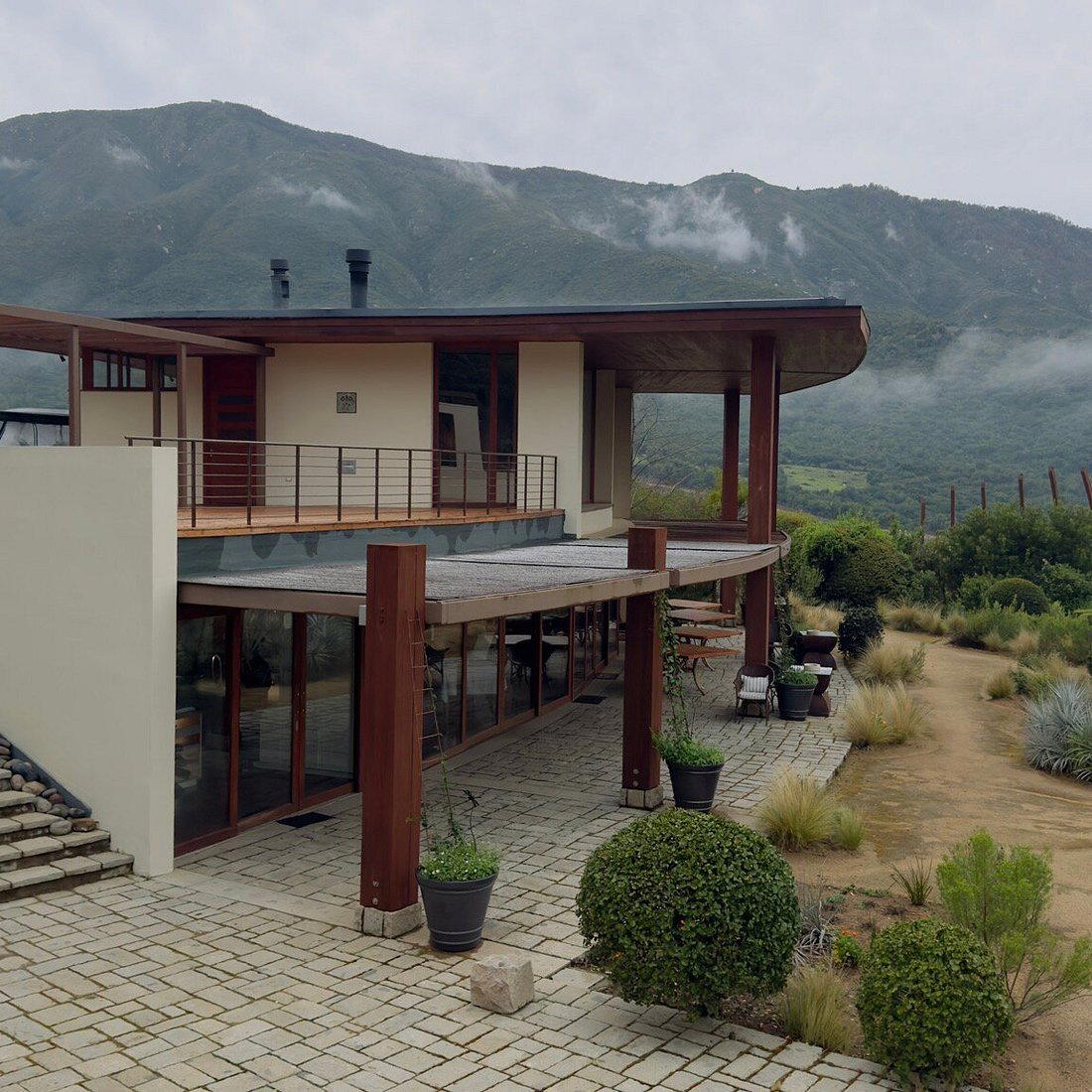
Hotels in San Vicente De Tagua Tagua
Browse all →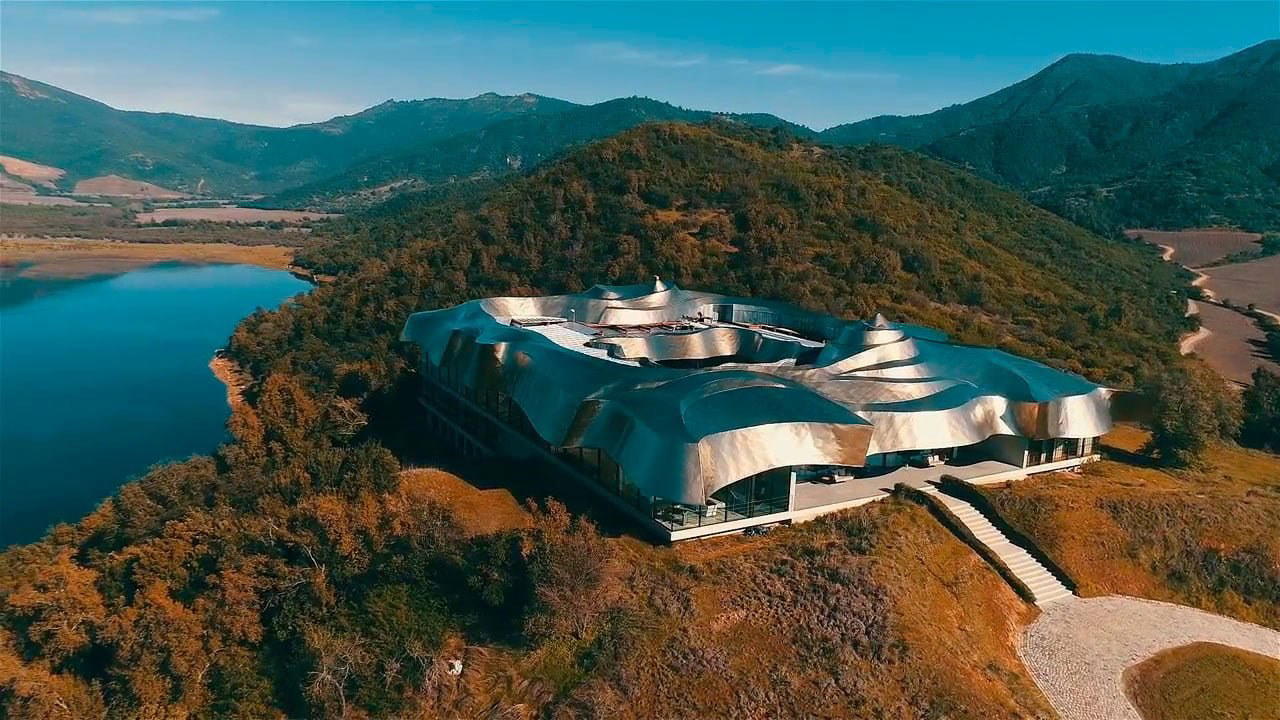
At a Glance
- Modern
- Elegant
- Scenic
- Sophisticated
- Romantic Getaway
- Special Occasion
- Wine Education
- Vineyard Tour
- Panoramic View
- Design Destination
- Private Tasting
- Sustainable
- Vineyard
- Mountain
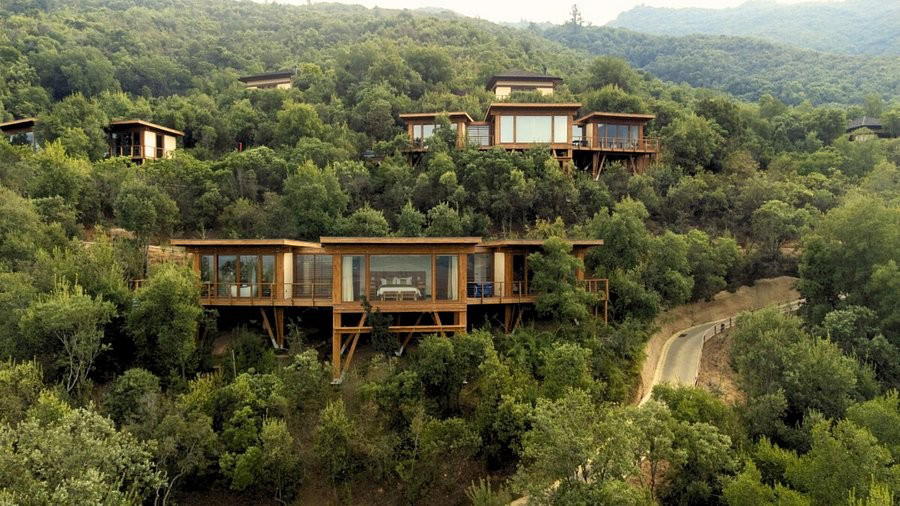
Luxurious and serene with natural light reflecting off water features, creating an elegant and artistic atmosphere amid untouched landscapes.