Handshake Speakeasy



<strong>Handshake Speakeasy</strong> sits at the technical end of <strong>Mexico City</strong>’s cocktail culture, where hotel-bar polish, agave fluency, and laboratory-level preparation now share the same glass. Its 2024 No.1 ranking in The World’s 50 <strong>Best Bars</strong>, repeated <strong>North America</strong> recognition, and compact 32-guest main room make it a defining reference point for the <strong>Juárez bar</strong> circuit.
 Discover on Pearl
Pearl is the En Primeur Club membership app — saves, bookings, and concierge access live there. Same editors, same standards.
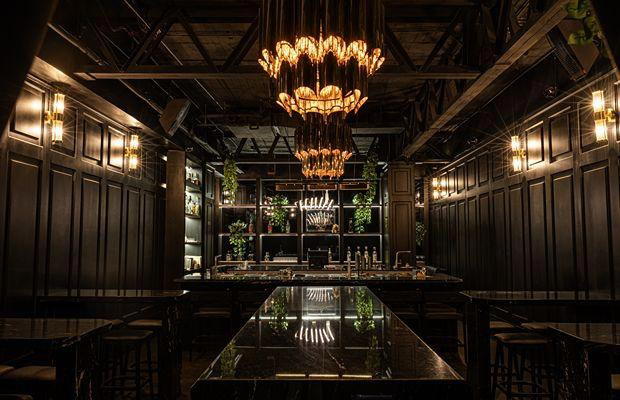
Behind theatrical curtains inside the NH Hotel in Colonia Juárez, the room reads less like a nostalgia act than a tightly controlled stage set: black and gold accents, low light, a Prohibition-era polish, and a pace calibrated to 90-minute sittings. Handshake Speakeasy Mexico City has the visual grammar of a secret bar, but the serious point is not secrecy. It is precision. In a city where cocktail culture has moved quickly from mezcal-forward informality to internationally ranked technical programs, this address shows how far the format has travelled.
The small ground-floor bar serves 32 guests per sitting, a number that matters because it explains both the energy in the room and the need for discipline. Large-volume bars can hide behind atmosphere; a room this compact cannot. Every movement is visible, from the synchronised welcome described in awards coverage to the way the team rotates through service and prep roles. Mexico City has many bars with mood. Fewer operate with this level of choreographed compression.
Mexico City's technical cocktail moment, in one compact room
The current Mexico City bar conversation is not only about agave spirits, though sotol, tequila, and mezcal from local producers line the back bar here. The sharper trend is culinary technique entering cocktail service: clarification, controlled temperature, altered texture, and drinks built to look simple until the structure becomes apparent. Handshake belongs to that school. Its awards record is unusually explicit evidence, not just social proof: The World’s 50 Best Bars #25 in 2021, #3 in 2023, and #1 in 2024; North America’s 50 Best Bars #2 in 2022 and 2023, then #1 in 2024 and 2025; Top 500 Bars #4 in 2025; and Pearl Recommended Bar in 2025.
That record places the bar in a peer set beyond the usual Juárez night out. The comparison is closer to technique-led international rooms in New York, London, Barcelona, and Singapore than to a casual mezcalería. For a useful contrast inside Mexico City, Baltra Bar leans into a neighbourhood cocktail culture with its own following, while Brujas carries a different kind of cultural charge through its women-led identity and Roma address. Handshake is more controlled, more hotel-adjacent, and more interested in the illusion that a complicated drink arrived without effort.
External recognition started before the No.1 coronation became the headline. Eater wrote in 2021 that "Tunki is a collaboration between Belmold’s Casa de Sierra Nevada hotel in SMA and Mexico City’s lauded Handshake Speakeasy."1 That detail matters because it shows the bar’s reputation already travelling beyond a single room. By 2023, Condé Nast Traveler wrote that "Handshake Speakeasy takes No. 2 for the second year in a row, making it the Leading Bar in Mexico,"2 a marker of how quickly Mexico’s cocktail hierarchy had become visible to an international audience.
"This year the coveted leading spot went to Mexico’s Handshake Speakeasy."
— Bon Appétit, The cocktail programme: Mexican spirits, culinary technique, controlled surprise
The drinks list is credited in awards material to bar director Eric Van Beek, whose role is relevant because the programme’s identity comes through method rather than biography. Many drinks are described as visually direct and technically layered, a familiar move in contemporary cocktail bars that use culinary logic without turning the bar into a dining room. The recorded example of a clarified piña colada is instructive: the format shifts a drink often associated with sweetness and weight into something cleaner and more refreshing. That is not a garnish trick. It is a statement about how classic cocktail memory can be rebuilt through process.
The house vocabulary stays Mexican even when the room borrows from 1920s theatre and, downstairs, Japanese izakaya cues. Agave sotol, tequila, and mezcal from local producers signal that the bar is not using Mexico City as a backdrop for imported cocktail fashion. The better comparison is with bars that translate local ingredients through global technique. In that sense, Handshake has something in common with Superbueno in New York City, where Mexican-American flavour memory meets a high-recognition cocktail format, and with regional Mexican standouts such as El Gallo Altanero in Guadalajara and Selva in Oaxaca, each of which frames place through a different drinking culture.
Signature references in available awards copy point to a programme with two speeds. Upstairs, the clarified piña colada captures the quieter, technical side of the bar. Downstairs, the Fig Martini, noted as being on the menu since Handshake opened, and the Three Sips Martini, presented like a floral bouquet, indicate a more performative register. Those examples should not be read as a full menu inventory. They are better understood as clues: the bar uses recognisable drink names, then changes the expected weight, serve, or structure.
This is where Handshake Mexico City differs from bars that chase novelty through ingredient count. The current international cocktail audience is more literate than it was a decade ago; clarified milk punch, fat-washing, house ferments, and controlled dilution are no longer obscure signals by themselves. The stronger bars make technique disappear into pacing and balance. Handshake’s recognition suggests that the judges and peer community see that synthesis here, particularly in the way Mexican spirits and local producers anchor a room dressed in foreign references.
Juárez, hotel polish, and the second-room question
Colonia Juárez has become one of Mexico City’s useful nightlife crossroads because it sits between several versions of the capital: Reforma’s hotel infrastructure, Roma and Condesa’s restaurant gravity, Zona Rosa’s layered after-dark history, and a newer design-conscious drinking circuit. The NH Hotel setting matters. Speakeasy language often depends on friction, but this version puts the hidden-room idea inside a relatively accessible urban container. That tension, hotel order outside and theatrical compression inside, is part of the appeal.
The move into the NH Hotel setting in 2024, after earlier changes noted in awards material around 2021, also signals a broader trend. High-recognition cocktail bars increasingly need two things that pull in opposite directions: scarcity and throughput. Handshake’s main bar preserves scarcity through 32 seats and 90-minute sittings. The additional basement space answers demand without simply enlarging the original room. That second space is described as a Japanese izakaya-style bar with high-tech touches, including a long cold line down the bar that keeps drinks cold across the serve. The point is not imitation Japan; it is a different tempo within the same programme.
Mexico City drinkers can map that distinction against nearby alternatives. Bar Mauro offers another angle on the city’s modern bar scene, while Bijou Drinkery Room sits in the more intimate-drinking-room conversation. Handshake is the polished international reference, the address where awards attention, hotel logistics, and limited capacity collide. The result is not necessarily the loosest night in the city. It is a controlled one, and that control is the point.
"Last year, Bar Leone was in second place behind Mexico City's Handshake Speakeasy. Now, the two have traded places."
— Condé Nast Traveler, 2022How to read the awards without letting them flatten the bar
World’s 50 Best recognition can distort a room as much as it clarifies it. A No.1 ranking turns a bar into a travel objective, and travel objectives tend to attract diners and drinkers who arrive with a checklist. Handshake is better read as a case study in where Mexico City’s cocktail culture now sits: local spirits, global judges, intense reservation pressure, and a guest mix that likely includes serious cocktail travellers alongside hotel guests and capital-city regulars.
The Google rating, 4.4 from 1,626 reviews in the venue record, adds a useful public counterweight to awards culture. High-ranking bars often divide audiences because expectations rise faster than any room can satisfy them. A 32-seat main bar with timed sittings is not designed for lingering indefinitely, and the theatrical welcome may land differently depending on whether a guest wants spectacle or understatement. That does not weaken the case for Handshake. It makes the case more precise: this is a bar for people interested in contemporary cocktail method, not a neutral all-purpose drinking room.
For visitors building a broader trip, it makes sense to place the bar within a wider Mexico City itinerary rather than treat it as a standalone trophy. The city’s dining and drinking scenes reward neighbourhood sequencing. EP Club’s full Mexico City bars guide is the natural companion for comparing Roma, Juárez, Polanco, and Condesa drinking rooms; the full Mexico City restaurants guide helps pair the night with the capital’s dining range; and the full Mexico City hotels guide is useful because late evenings in this city are shaped by traffic and neighbourhood choice as much as by taste.
Planning the night in Juárez
The available venue record lists the address as C. Amberes 65, Juárez, Cuauhtémoc, 06600 Ciudad de México, CDMX. Phone, website, hours, price range, and dress code are not supplied in the record, so planning should be conservative rather than improvised. The main practical fact is capacity: 32 guests in the primary bar, with 90-minute sittings. Combined with the bar’s No.1 placement in The World’s 50 Best Bars 2024 and North America’s 50 Best Bars 2024 and 2025, that capacity profile makes advance planning sensible, especially for travellers with limited nights in the city.
The experience is also structured across two spaces. The ground-floor room carries the darker, Prohibition-influenced mood, while the basement shifts into a higher-energy izakaya-style setting with hip-hop noted in awards coverage. That split is useful for choosing the tone of the evening. A first drink upstairs frames the technical identity of the bar; the lower room appears designed to absorb more demand and alter the rhythm. Readers comparing activities beyond bars can round out planning through EP Club’s full Mexico City experiences guide or, for category completeness, the full Mexico City wineries guide.
Because no official price range is available in the supplied record, cost should not be guessed. The safer editorial reading is by peer set: a bar with this awards record, limited seating, hotel setting, and high-tech preparation belongs to the premium cocktail tier rather than the casual beer-and-mezcal tier. The distinction matters for expectations. Guests are paying, in effect, for the labour behind a drink that may look minimal at first glance.
The Short List
A quick context table based on similar venues in our dataset.
| Venue | Notes | Price |
|---|---|---|
| Handshake Speakeasy | This venue | |
| Fifty Mils | ||
| Hanky Panky | ||
| Baltra Bar | ||
| Bar Mauro | ||
| Bijou Drinkery Room |
Continue exploring
More in Mexico City
Bars in Mexico City
Browse all →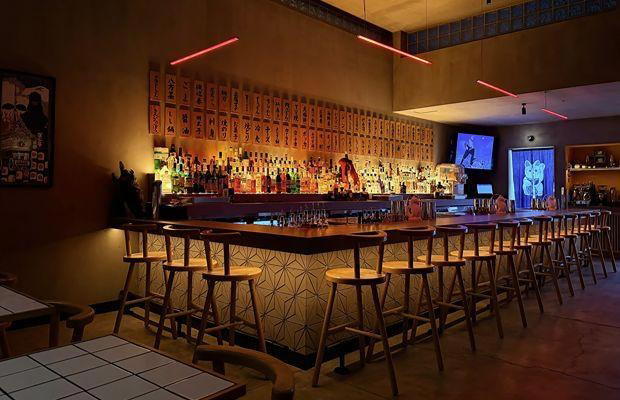
Restaurants in Mexico City
Browse all →
At a Glance
- Elegant
- Sophisticated
- Intimate
- Hidden Gem
- Date Night
- Special Occasion
- Speakeasy
- Seated Bar
- Lounge Seating
- Craft Cocktails
Dark, elegant Prohibition-era decor with low lighting, black marble bar, velvet seats, gold accents, and sensual 90s soundtrack.