Google: 4.6 · 4,717 reviews
Le Bernardin




.png)






Le Bernardin New York reigns as the city's premier seafood destination, where Chef Eric Ripert's three-Michelin-starred artistry transforms ocean treasures into transcendent cuisine. This legendary Midtown institution has maintained The New York Times' four-star rating for over two decades, offering an unmatched fine dining experience centered on the philosophy that "the fish is the star."
 Discover on Pearl
Pearl is the En Primeur Club membership app — saves, bookings, and concierge access live there. Same editors, same standards.
A Room That Knows What It Is
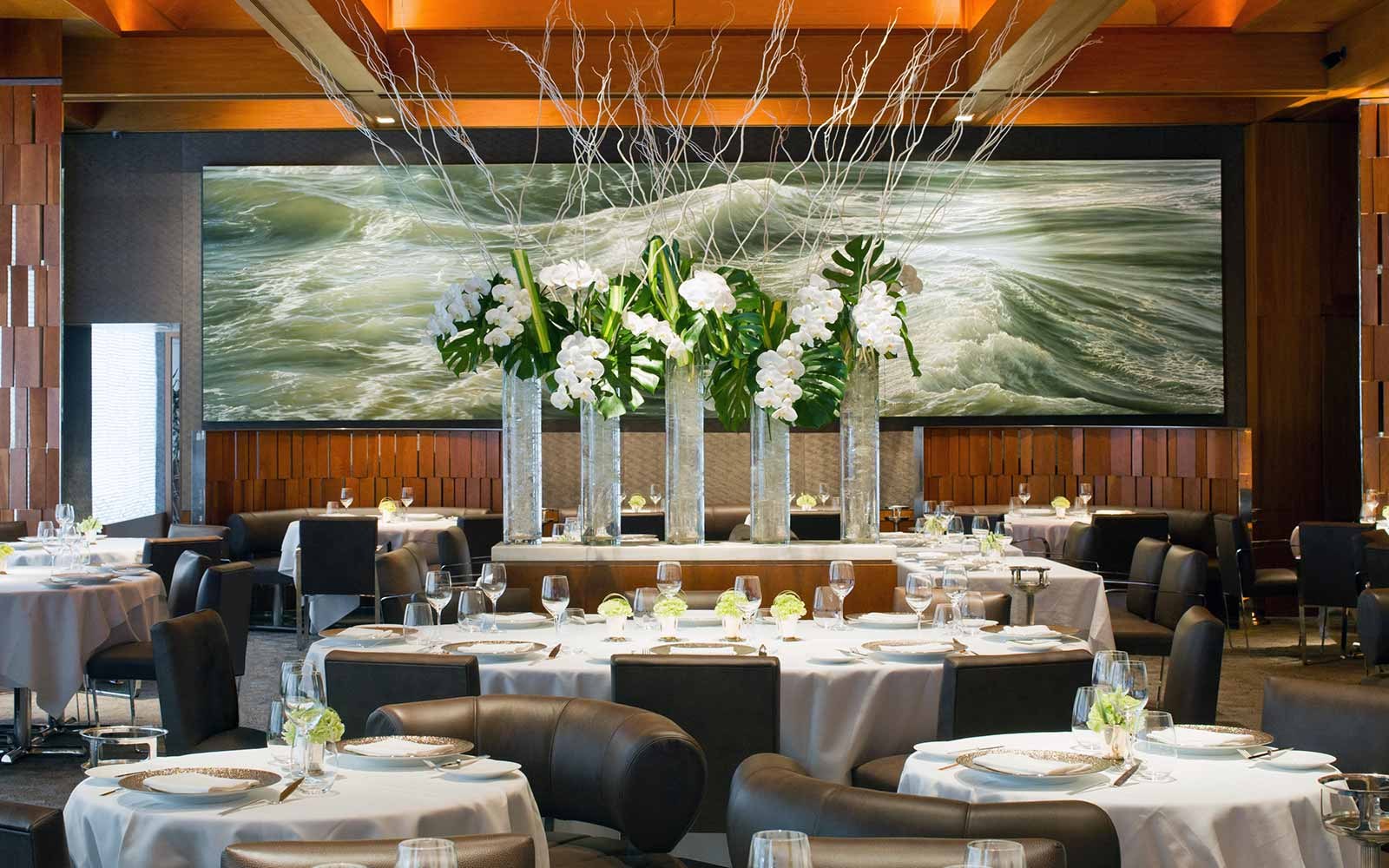
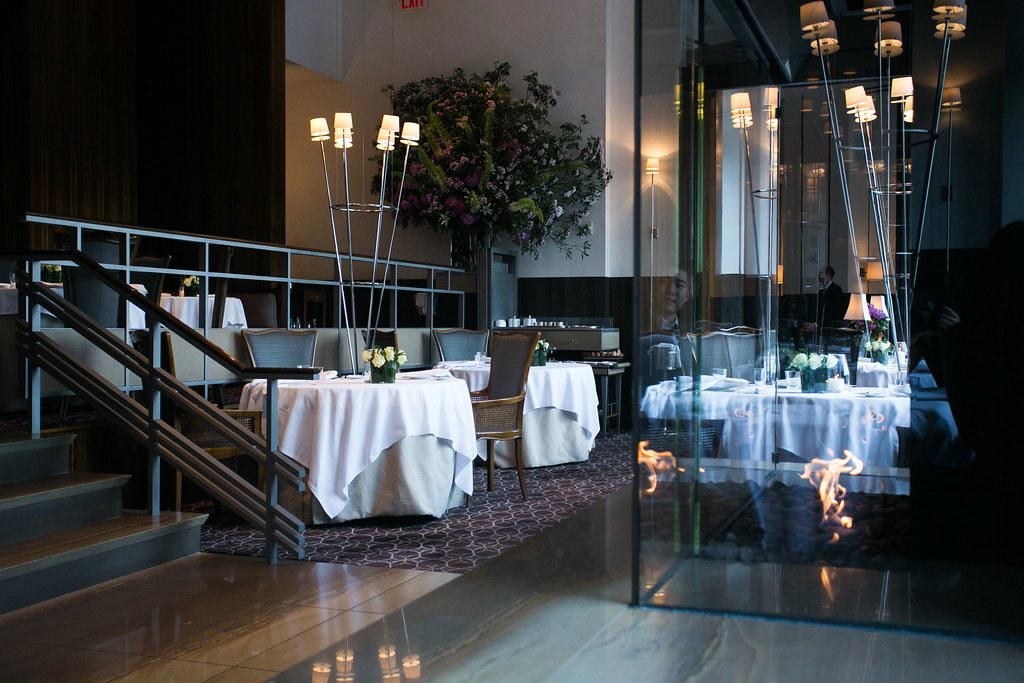
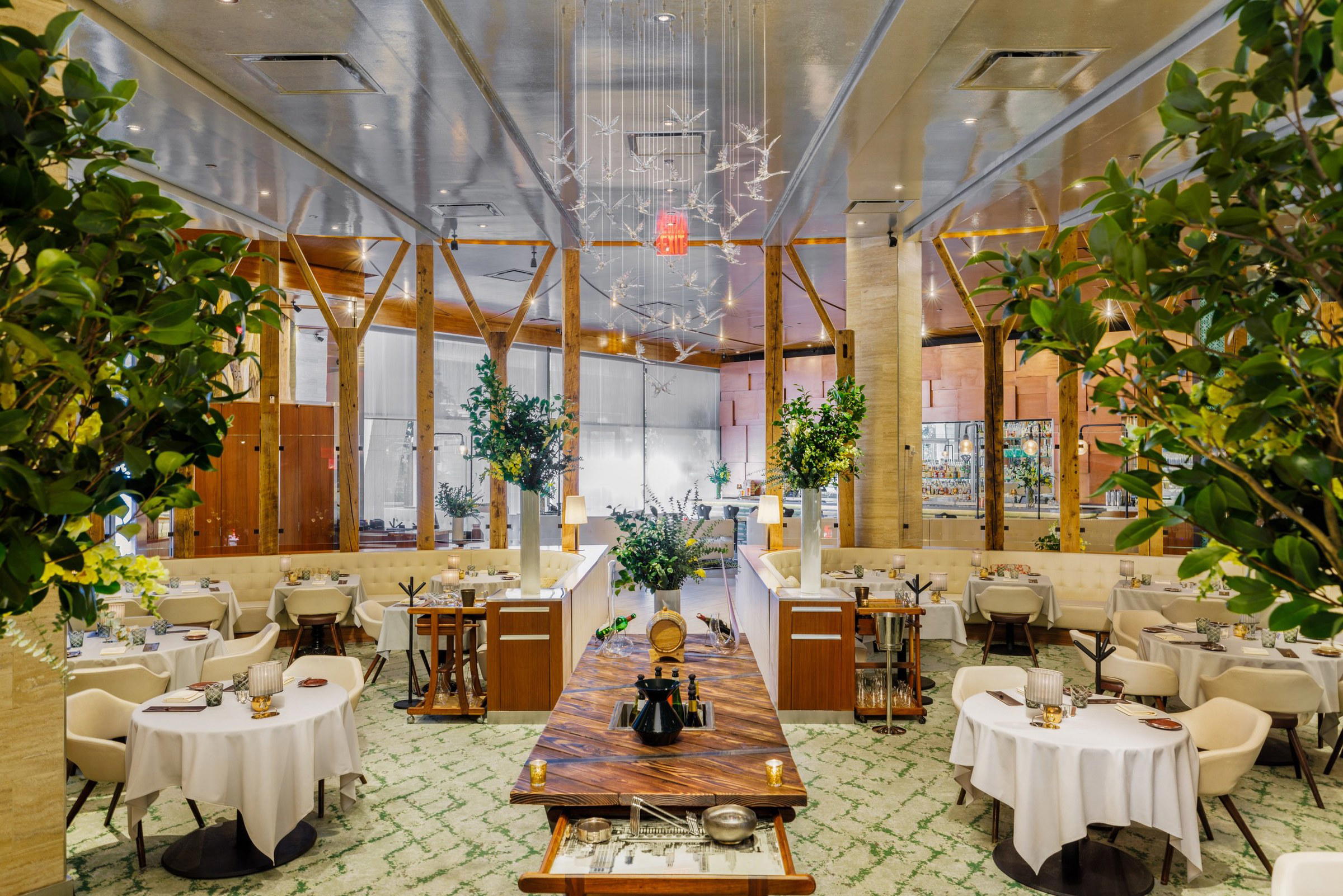
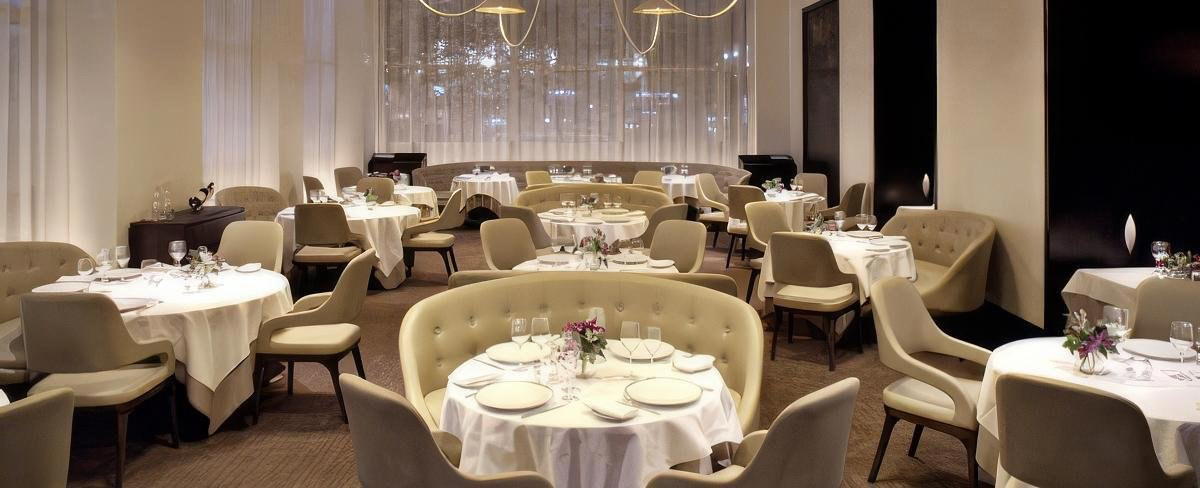
The dining room at 155 West 51st Street does not try to impress you with spectacle. The space is airy, the palette restrained, the lighting calibrated precisely enough that each plate arrives in its own soft circle of illumination. Soft jazz runs at a volume designed for conversation rather than atmosphere-signalling. Waiters in Nehru-style jackets move with the particular unhurriedness of a room that has nothing to prove. This is Midtown Manhattan at its most considered — not the frantic energy of a new opening angling for attention, but the settled confidence of a restaurant that has held four stars from The New York Times continuously since Eric Ripert assumed the kitchen, a streak now past three decades.
Le Bernardin opened in New York in 1986 as an extension of the Paris original founded in 1972 by Gilbert and Maguy Le Coze. It arrived at a moment when French fine dining in Manhattan was still largely about ceremony and sauce. The kitchen's insistence on fish as the central subject, treated with as little intervention as discipline allowed, was a genuinely distinctive position at the time. Thirty-plus years later, that position has calcified into orthodoxy at this address, and the restaurant has been awarded three Michelin stars, a 99.5-point score from La Liste in 2025, and a place in the World's 50 Best list every year since 2006 — peaking at number 15 in 2009 and 2010, and sitting at number 90 in 2025 after a period of gradual descent that mirrors wider shifts in how the global ranking weights novelty against longevity.
What the Menu Is Actually Doing
The architecture of the menu is the clearest expression of the kitchen's philosophy. Dishes are divided into three categories: Almost Raw, Barely Touched, and Lightly Cooked. The progression is not arbitrary. It is a statement about restraint as technique , a rebuttal of the assumption that cooking means transformation. In the Almost Raw section, fish arrives as close to its source state as service allows: fluke sashimi, thinly pounded yellowfin tuna laid over toasted baguette and foie gras, the contrast between the clean protein and the rich fat doing the work that a sauce might do elsewhere. In the Barely Touched tier, warmth and light emulsification enter without dominating. Lightly Cooked brings more structural intervention , crispy black bass with lup cheong sausage, red snapper in a rosemary and thyme-salt crust , but the fish remains the subject, not a vehicle for the garnish.
French technique is the foundation, but the menu draws regularly from Asian reference points: miso vinaigrette, charred octopus, spiced shellfish-citrus broth, kumquat. These are not fusion gestures. They are the additions of a kitchen that has spent decades identifying which flavour systems amplify delicate seafood without obscuring it. The result is a menu that reads as French in structure and global in its ingredient logic.
Prix fixe pricing runs at $157 for the four-course dinner and $225 for the chef's tasting menu. Lunch offers a three-course format at $88. The wine list of 1,635 selections and 15,550 bottles in inventory is weighted toward Burgundy, Bordeaux, Germany, Austria, Champagne, and California, with pricing in the upper tier: a significant proportion of bottles exceed $100. Wine director Aldo Sohm, a James Beard Award recipient for Outstanding Wine Service in 2009, oversees a team of seven sommeliers. In 2014, Sohm and Ripert opened Aldo Sohm Wine Bar immediately adjacent to the restaurant , a useful option for pre-dinner drinking without the formality of the main room.
Where Le Bernardin Sits in the New York Fine Dining Tier
New York's top-tier French restaurants occupy a small, expensive bracket where the competitive set is self-defining. Per Se on Columbus Circle brings a different French-American register with Thomas Keller's classical influence. Eleven Madison Park has moved toward plant-based menus, deliberately repositioning itself within the format. Le Bernardin's focus on seafood French gives it a narrower and more durable identity than either: the menu cannot pivot far without becoming a different restaurant. That specificity is a constraint and a strength simultaneously.
The Korean-led newcomers that have reshaped downtown's fine dining conversation , Atomix, Jungsik New York , operate in a different register and draw a different customer. The competition that matters most to Le Bernardin is Masa, the sushi counter in the same price tier, where the comparison is also fish-forward, technique-driven, and reservation-scarce. Both restaurants ask the same question of their ingredient: how little can we do and still produce something worth this price? Their answers differ by tradition, but the underlying discipline is shared.
Internationally, the seafood-focused French fine dining tradition that Le Bernardin represents has a smaller peer set. Le Coquillage in Saint-Méloir-des-Ondes operates in a coastal Breton context where proximity to the Atlantic is literal and logistical. 8 1/2 Otto e Mezzo Bombana in Hong Kong draws on Italian tradition in a city with different seafood sourcing pressures. Neither is a direct comparison, but both sit in the category of restaurants where the quality of the main protein is the non-negotiable starting point for everything that follows.
For American points of comparison, the fish-forward fine dining segment includes Providence in Los Angeles, which operates in a two-Michelin-star bracket with similar Pacific seafood emphasis. The French Laundry in Napa and Single Thread Farm in Healdsburg apply comparable technical rigour to broader ingredient sets. Alinea in Chicago and Lazy Bear in San Francisco represent the format-experimental end of American fine dining, where Le Bernardin's classicism reads as a deliberate counter-position. Emeril's in New Orleans anchors the Louisiana seafood tradition in a different register altogether.
The Seafood Logic
The editorial angle that makes Le Bernardin coherent as a subject is the question of what proximity to water means for a restaurant that is not on water at all. Le Bernardin sits in the Equitable Building in Midtown Manhattan, as far from a dock as a restaurant can be while still being in New York. The argument the kitchen makes is that proximity to water is not physical but procedural: the supply chain, the handling standards, and the cooking approach must all be calibrated as if freshness were the only variable that matters. Every structural decision , the minimal-intervention menu architecture, the rejection of heavier French sauce traditions, the emphasis on temperature control and timing , follows from treating the ocean's produce as if it arrived this morning and must not be disguised.
This is a different philosophy from coastal seafood restaurants, where the selling point is geographic shortness of supply chain. At Le Bernardin, the argument is that technique, sourcing discipline, and restraint can replicate the effect of proximity. Whether you find that convincing depends partly on whether you have eaten a comparable fish at its source. What is not in dispute is that the kitchen has sustained the same four-star standard through more than three decades, multiple economic cycles, and the complete transformation of New York's dining culture around it.
The Private Dining Option
Les Salons Bernardin, the private dining space above the main room, overlooks 51st Street and accommodates groups that would be unsuitable for the 32-table main dining room. The restaurant does not encourage large groups in the primary space, and the upstairs format gives a different view of the same kitchen without altering the menu. The dress code for the main room requires jackets for men; ties are preferred but not required.
Planning Your Visit
Le Bernardin operates Tuesday through Friday for both lunch (12:00 to 2:30 pm) and dinner (5:00 to 10:30 pm), with Friday dinner extending to 11:00 pm. Saturday is dinner only (5:00 to 11:00 pm). The restaurant is closed on Sunday and Monday. The 32 tables across the main room fill quickly for both services; reservations through OpenTable or direct telephone are strongly advised. Walk-ins are occasionally accepted, and the bar area permits ordering from the full menu without a prior booking. The four-course prix fixe dinner is $157; the chef's tasting menu is $225; lunch is $88 for three courses. The wine list carries a $$$-tier markup with substantial depth in Burgundy and Champagne.
For broader planning across the city, see our full New York City restaurants guide, our full New York City hotels guide, our full New York City bars guide, our full New York City wineries guide, and our full New York City experiences guide.
Quick reference: 155 W 51st St, Midtown Manhattan. Four-course dinner $157, chef's tasting $225, lunch $88. Closed Sunday and Monday. Reservations strongly recommended. Jacket required.
Side-by-Side Snapshot
A compact peer snapshot based on similar venues we track.
| Venue | Cuisine | Price | Awards | Notes |
|---|---|---|---|---|
| Le Bernardin | French, Seafood | $$$$ | Michelin 3 Stars, Les Grandes Tables Du Monde Award (2025) | This venue |
| Atomix | Modern Korean, Korean | $$$$ | Michelin 2 Star | Modern Korean, Korean, $$$$ |
| Masa | Sushi, Japanese | $$$$ | Michelin 3 Star | Sushi, Japanese, $$$$ |
| Per Se | French, Contemporary | $$$$ | Michelin 3 Star | French, Contemporary, $$$$ |
| Eleven Madison Park | French, Vegan | $$$$ | Michelin 3 Star | French, Vegan, $$$$ |
| Jungsik New York | Progressive Korean, Korean | $$$$ | Michelin 3 Star | Progressive Korean, Korean, $$$$ |
Continue exploring
More in New York City
More from Chef Eric Ripert
Browse all →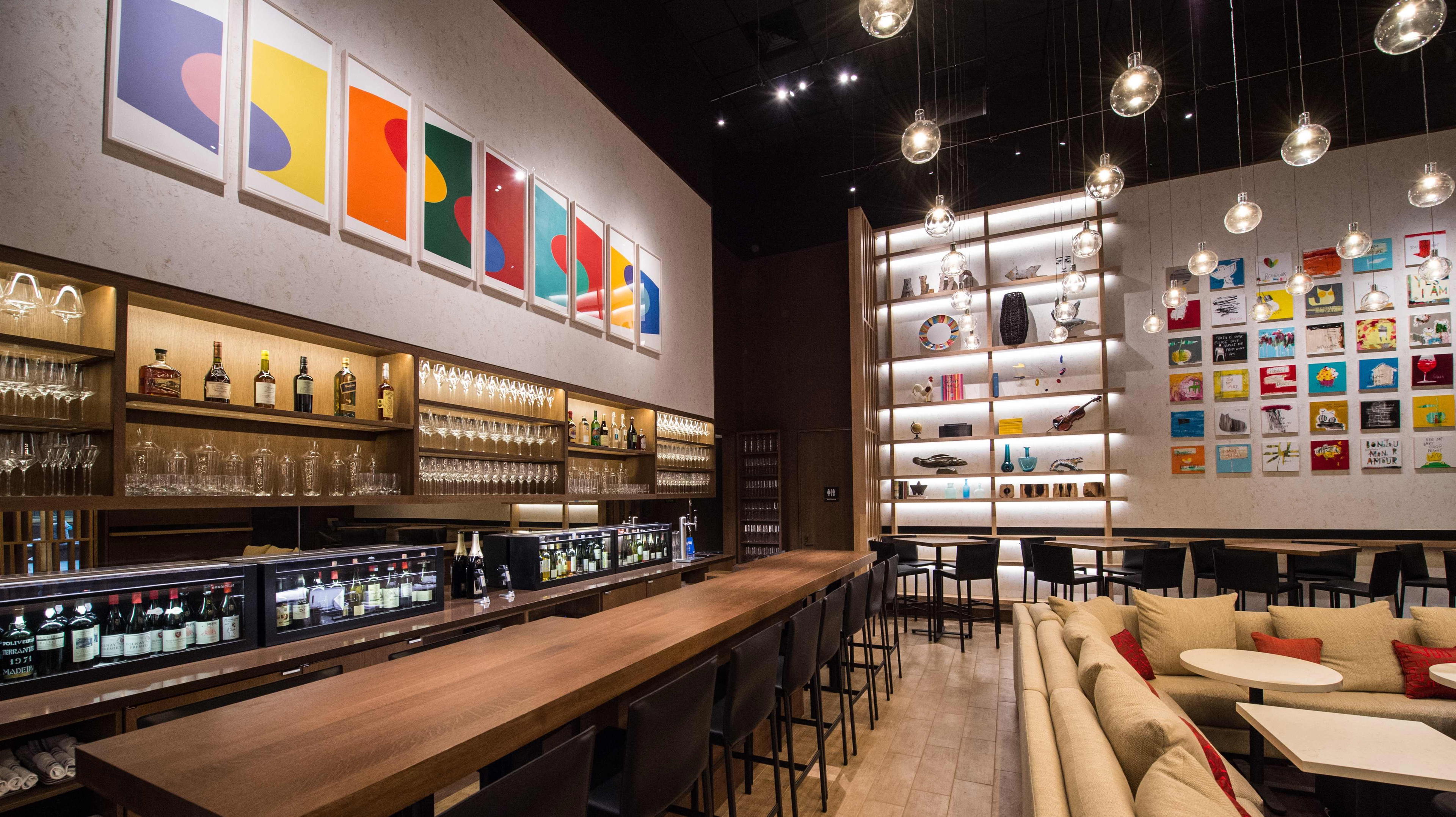
Restaurants in New York City
Browse all →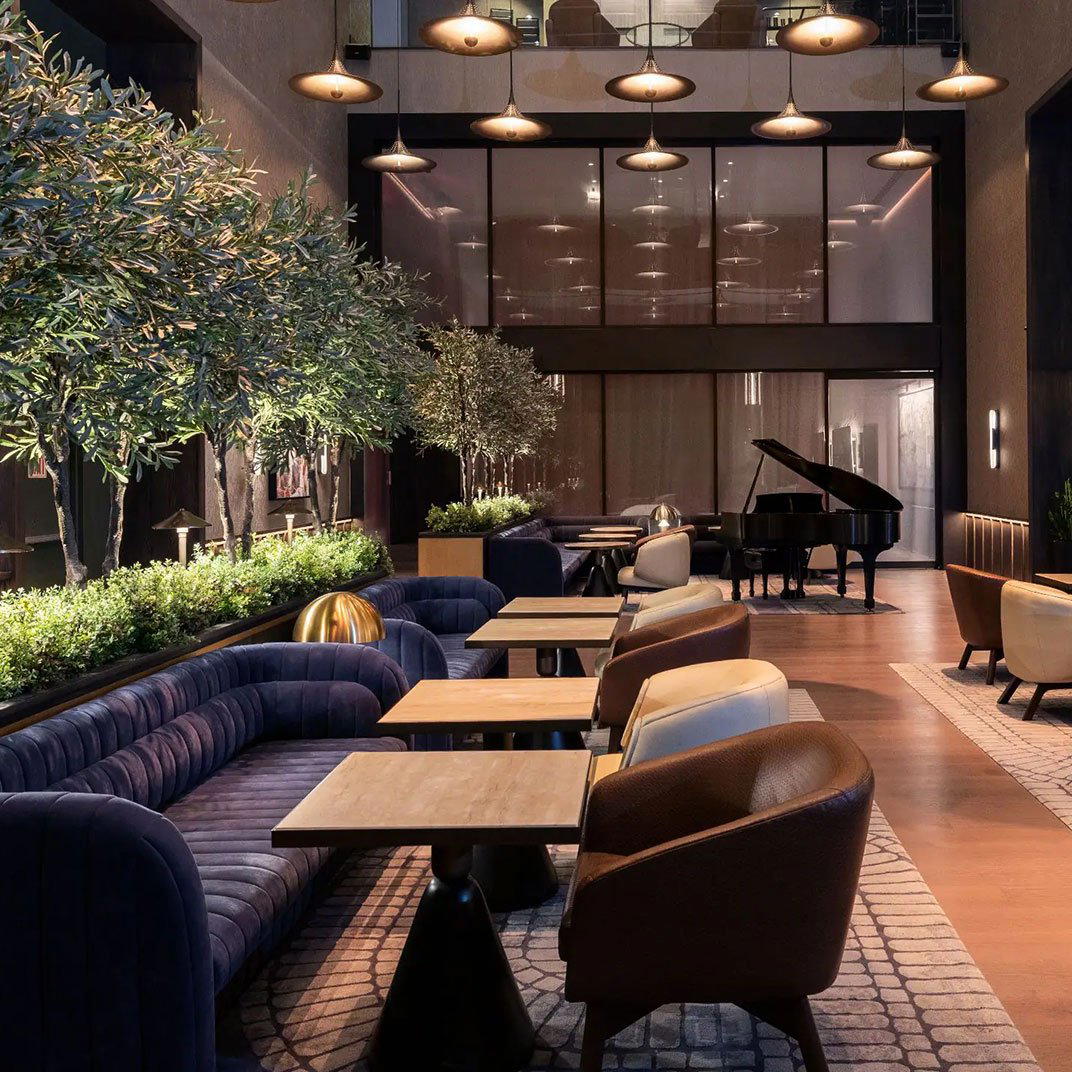
Bars in New York City
Browse all →

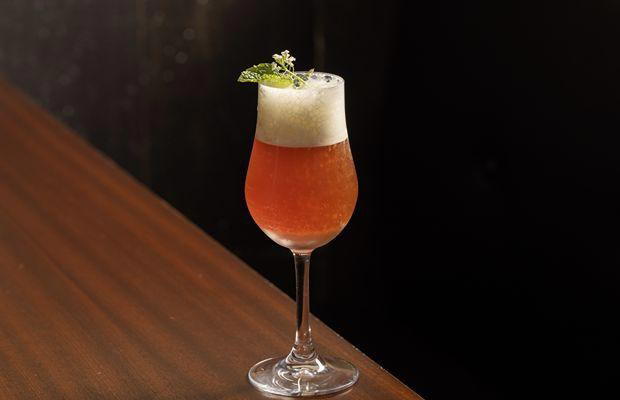
Hotels in New York City
Browse all →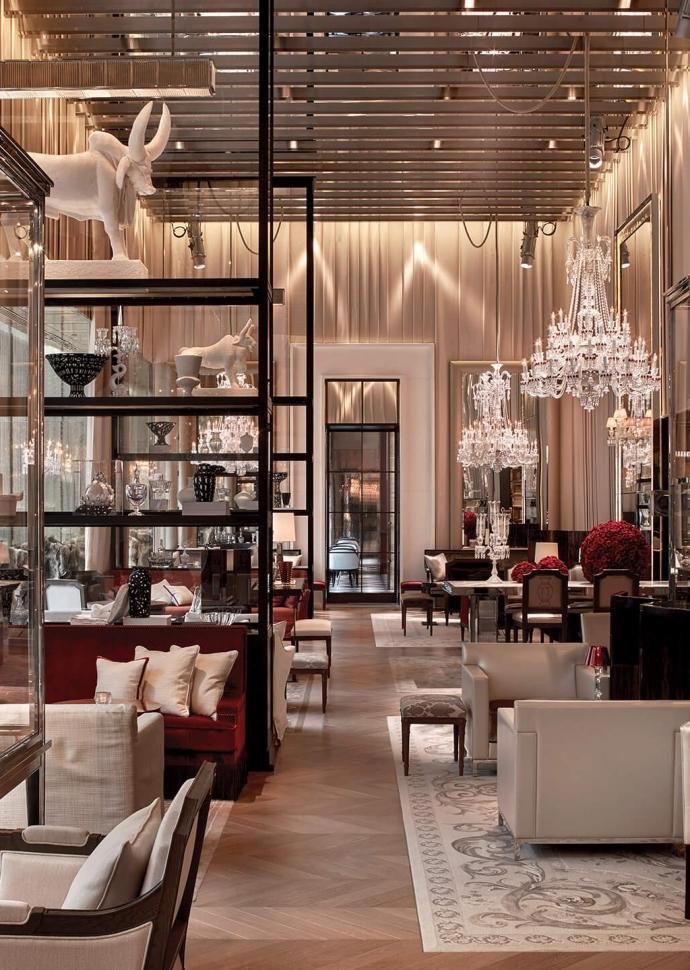
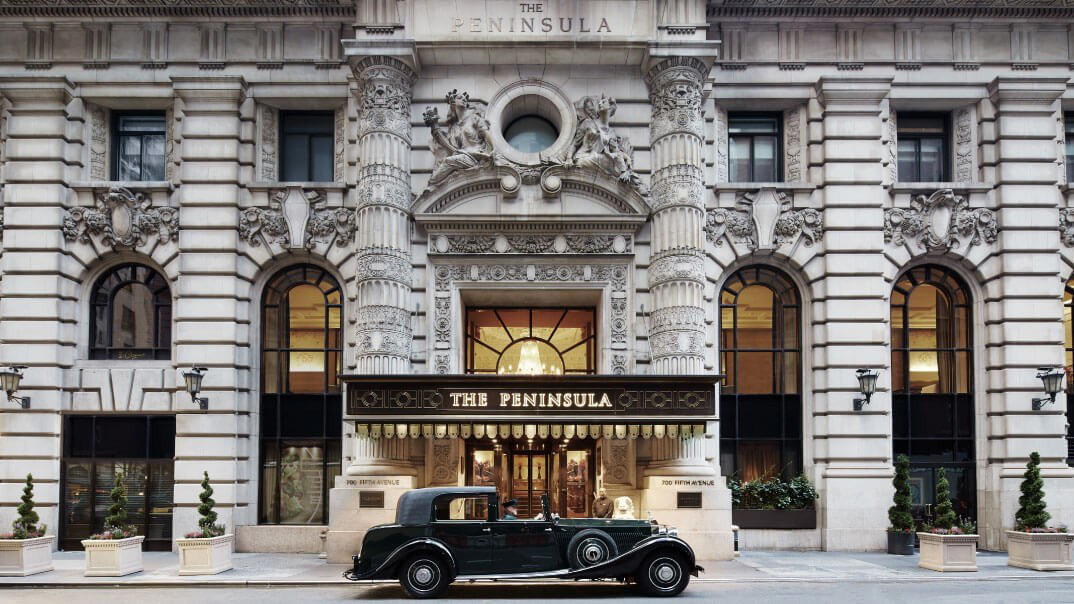
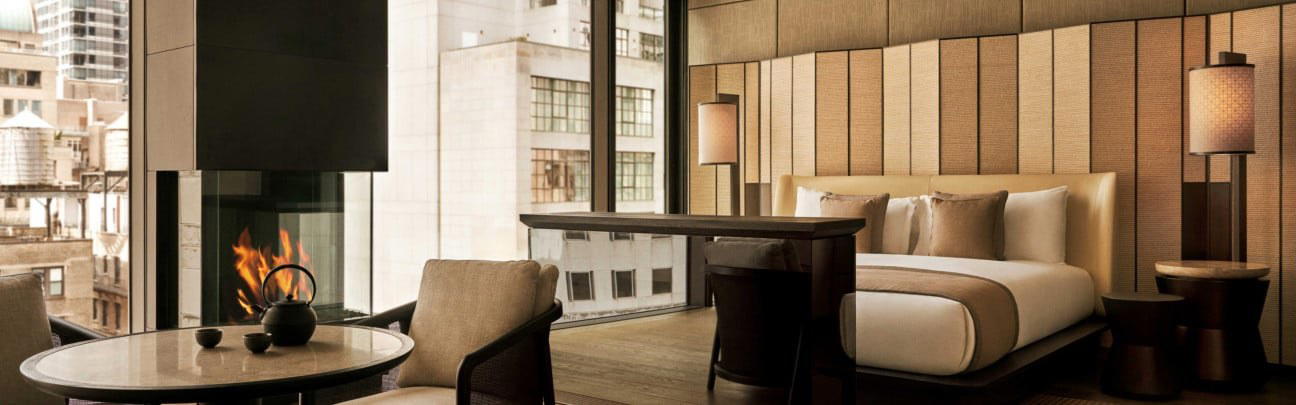


At a Glance
- Elegant
- Sophisticated
- Classic
- Iconic
- Special Occasion
- Date Night
- Business Dinner
- Standalone
- Extensive Wine List
- Sommelier Led
- Sustainable Seafood
Refined and elegant with spacious, kinetic dining room featuring soft lighting, well-heeled patrons in suits and jewelry, evoking old-school fine dining luxury.