



Casa José in Aranjuez takes the town's celebrated market gardens as its central premise, structuring its à la carte around four produce-led categories that range from fully vegetable to predominantly meat. A Michelin Plate holder (2024 and 2025), it operates across two floors: an informal tapas counter downstairs and a wood-beamed dining room above. For the price point, the kitchen's commitment to hyper-local sourcing is notable.
Pearl is the En Primeur Club membership app — saves, bookings, and concierge access live there. Same editors, same standards.
- Address
- C. de Abastos, 32, 28300 Aranjuez, Madrid, Spain
- Phone
- +34 918 91 14 88
- Website
- casajose.es
- Directions
- Get directions
 Saves & bookings on Pearl
Where the Vegetable Garden Becomes the Menu
Aranjuez sits roughly 50 kilometres south of Madrid, in the Tagus river valley, where a particular combination of fertile alluvial soil and managed irrigation has sustained market gardens since the Spanish royal court established its summer residence here in the sixteenth century. Those huertas, the vegetable plots that ring the town and supply its markets, are not a romantic backdrop. They are an active agricultural system, and at Casa José on Calle de Abastos, they are the explicit organising principle of the entire kitchen programme.
Approaching from the market square, the ground floor reads as a neighbourhood tapas bar: counter seating, an open kitchen, a room that fills quickly and holds its noise. The upper floor shifts the register, with exposed timber beams and a dining room that sits comfortably within the tradition of mid-format Spanish restaurants that take their ingredients seriously without the ceremony of the larger tasting-menu houses. Michelin has awarded the kitchen a Plate in both 2024 and 2025, a signal that the cooking is technically grounded even if the format stays accessible.
The Logic of the À la Carte
Spain's contemporary restaurant scene has split into at least two clearly distinct operating models. At one end, the multi-starred progressive houses, DiverXO in Madrid, Disfrutar in Barcelona, El Celler de Can Roca in Girona, operate at €€€€ price points with tasting-only formats and booking windows measured in months. At the other, a wider tier of produce-focused kitchens serves food that is technically considered but structurally open: à la carte, moderate pricing, walk-in possibility. Casa José operates in this second tier, and its menu architecture is one of the more considered approaches to it.
The à la carte is divided into four sections defined by the ratio of vegetable to animal protein: 100% green; 60% green to 40% animal; 80% animal to 20% green; and a fourth category covering 100% vegetable and dairy dishes. This framework does two things at once. It lets diners self-select the profile of their meal without a set menu imposing that decision, and it foregrounds the provenance logic of the kitchen rather than concealing it behind conventional course structure. The tasting menu, available alongside the à la carte, applies the same sourcing logic in a fixed sequence.
Chef Fernando del Cerro places the vegetables from the surrounding market gardens at the centre of the cooking, processing them with attention to taste intensity rather than novelty for its own sake. Documented dishes from the kitchen include fried kale with hazelnut aioli, cauliflower prepared in risotto form with cheese and coconut, leek cooked in papillotte and served whole, and a stew of chervil and carrot alongside tomato and ginger espuma. These are not garnish treatments. The vegetables carry the structural weight of the dishes, which sets the kitchen apart from most restaurants in its price bracket across the Madrid region.
Aranjuez Produce in Context
The argument for hyper-local sourcing means something different in Aranjuez than it does in most Spanish cities. Kitchens in Madrid, Seville, or Barcelona that claim local produce are almost always drawing from a supply chain that covers a significant geographic radius. In Aranjuez, the huertas are a specific, historically documented agricultural identity: asparagus, strawberries, and a variety of leaf and root vegetables grown in conditions that have been recognised for centuries. The town's produce was historically associated with royal provisioning, and the market gardens remain one of the defining features of the area's economic and cultural character.
For a kitchen operating at the €€ price point, this is a meaningful competitive position. The cost of sourcing from nearby smallholdings rather than consolidated distributors does not necessarily increase with scale here, because the supply exists at volume. What it requires is the operational discipline to build menus around what the gardens produce seasonally, rather than reverse-engineering sourcing around a fixed menu concept. The structured à la carte categories at Casa José suggest that discipline is applied consistently rather than selectively.
Restaurants across Spain's premium tier have made sourcing a defining argument. Arzak in San Sebastián, Azurmendi in Larrabetzu, Quique Dacosta in Dénia, Aponiente in El Puerto de Santa María, Mugaritz in Errenteria, Martin Berasategui in Lasarte - Oria, Ricard Camarena in València, and Atrio in Cáceres each ground their identity in a specific regional supply. The restaurant applies the same structural logic at a fraction of the price, which makes it an instructive case study in how ingredient provenance functions as a menu-building tool rather than a luxury-positioning device.
Two Floors, Two Formats
The dual-format model, informal counter downstairs, formal dining room upstairs, is not uncommon in Spanish restaurants that started as family operations and grew their ambition incrementally. What it produces at the restaurant is a range of entry points for the same kitchen. The downstairs Atelier space, with its open-view kitchen and counter seating, functions as a tapas bar in the traditional sense: smaller dishes, higher turnover, a more social atmosphere.
The upstairs dining room, with its beamed ceiling and à la carte structure, sits closer to a mid-format restaurant in the Madrid region's contemporary sense. The €€ pricing means a full meal upstairs remains accessible without the financial commitment of a tasting-menu-only format. For visitors making the trip from Madrid specifically to eat, this practical point matters: the commitment is to an evening, not to a three-hour set sequence.
Planning a Visit
The restaurant is at C. de Abastos, 32, in central Aranjuez, within walking distance of the Royal Palace and the town's main market. Aranjuez is served by Cercanías train from Madrid Atocha, making it viable as a day trip or a standalone dinner destination from the capital.
Fast Comparison
Comparable venues nearby, for context on price, style, and recognition.
| Venue | Cuisine | Price | Awards | Notes |
|---|---|---|---|---|
| Casa JoséThis venue — the venue you are viewing | Modern Spanish Vegetable-Focused Fine Dining | $$$ | Michelin Plate | Not listed |
| Carême- Jesús Del Cerro | Modern Spanish-Mediterranean fine dining by Jesús del Cerro | $$$$ | Not listed | Aranjuez |
| Marmitón | Modern Spanish Bistro | $$$ | Michelin Plate | La Latina |
| Treze | Modern Spanish Market Cuisine | $$$ | Bib Gourmand | Goya |
| El Pedrusco de Aldealcorvo | Traditional Castilian Asador | $$$ | Michelin Plate | Trafalgar |
| Alcotán | Traditional Spanish with Basque and Navarrese Influences | $$$ | Michelin Plate | Castellana |
Recognition history
Dated appearances from independent guides and award organizations, with the underlying list record or original source where available.
Guía Repsol 1 Sol
Guía Repsol
Macarfi 7.7 Food Rating
Macarfi
Michelin Plate
Michelin
Michelin Plate
Michelin
We're Smart World 4 Radishes
We're Smart World
Michelin Plate
Michelin
Continue exploring
More in Aranjuez
Restaurants in Aranjuez
Browse all →
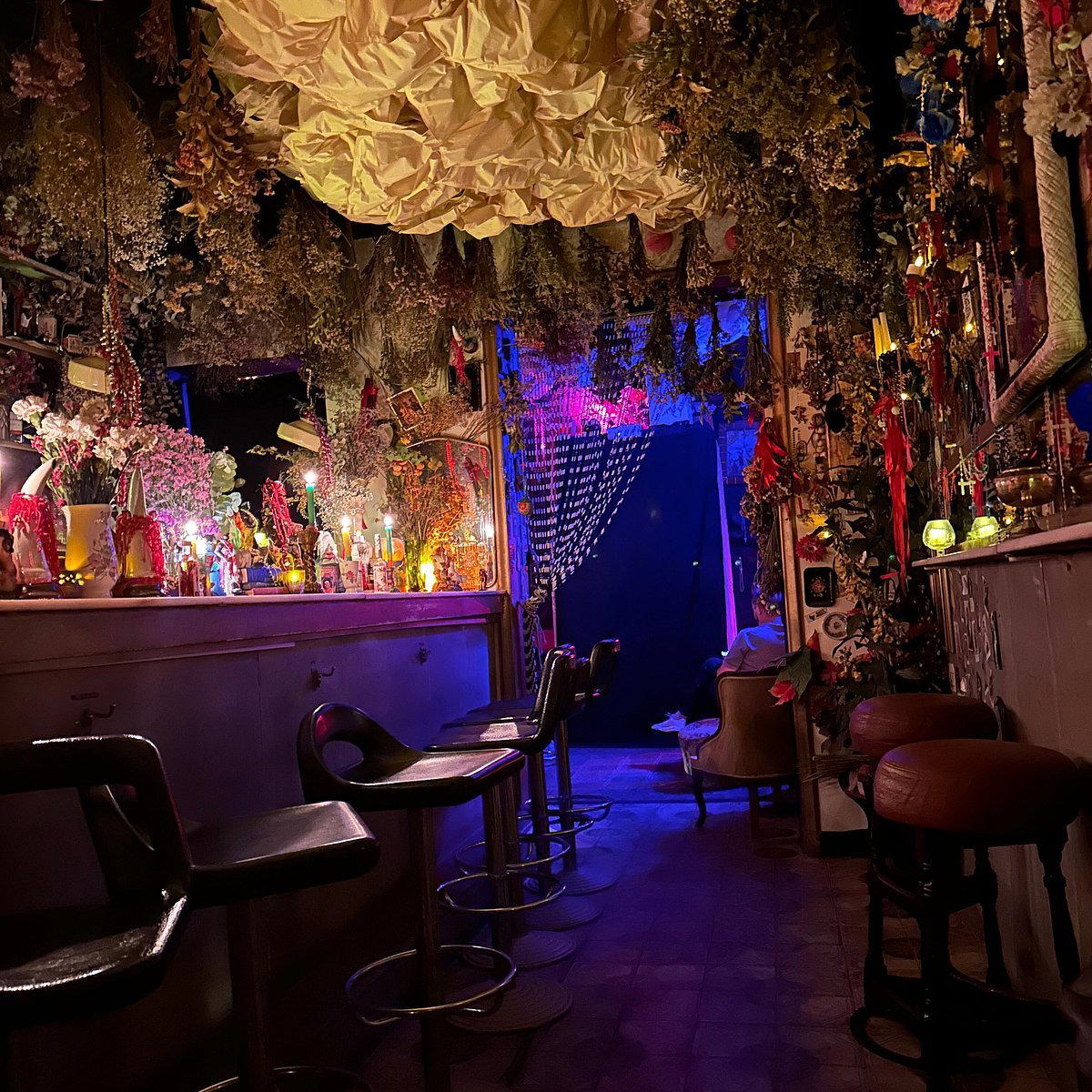
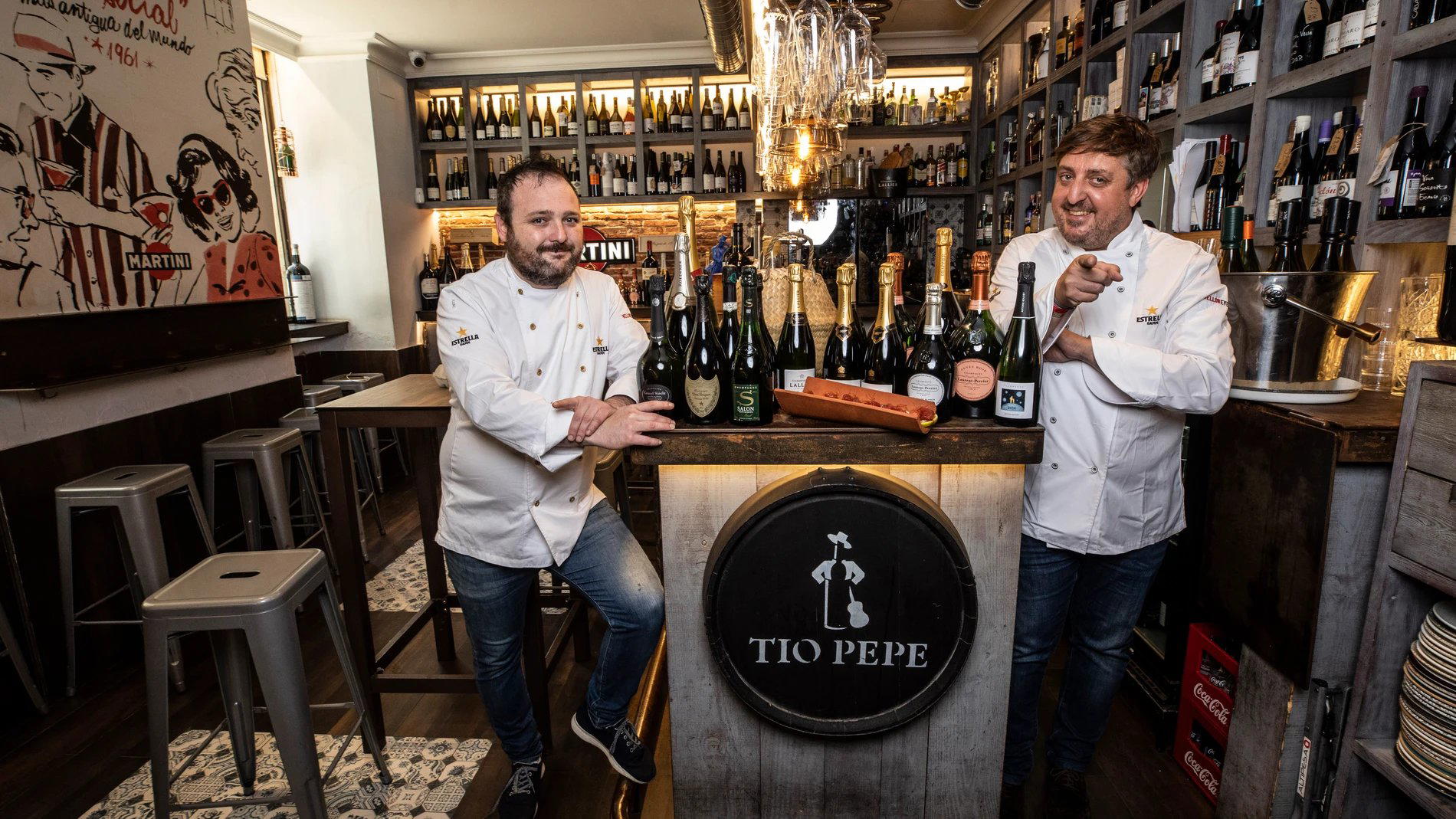
Bars in Aranjuez
Browse all →
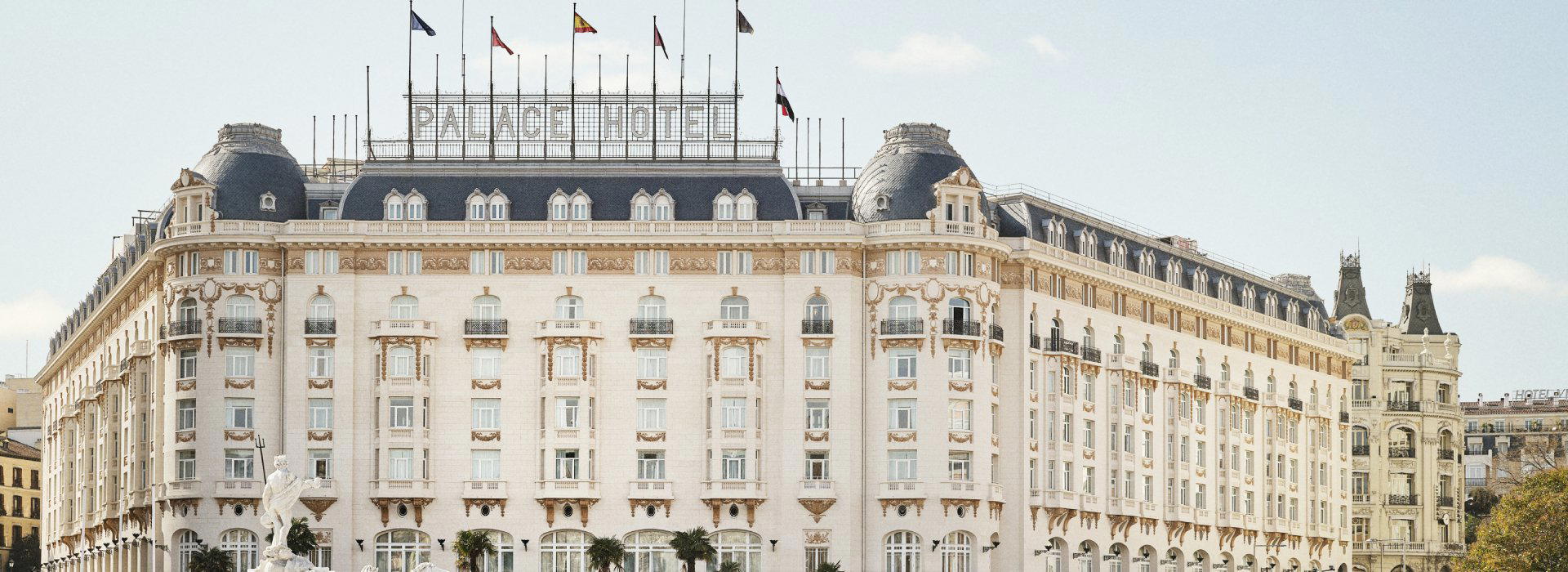
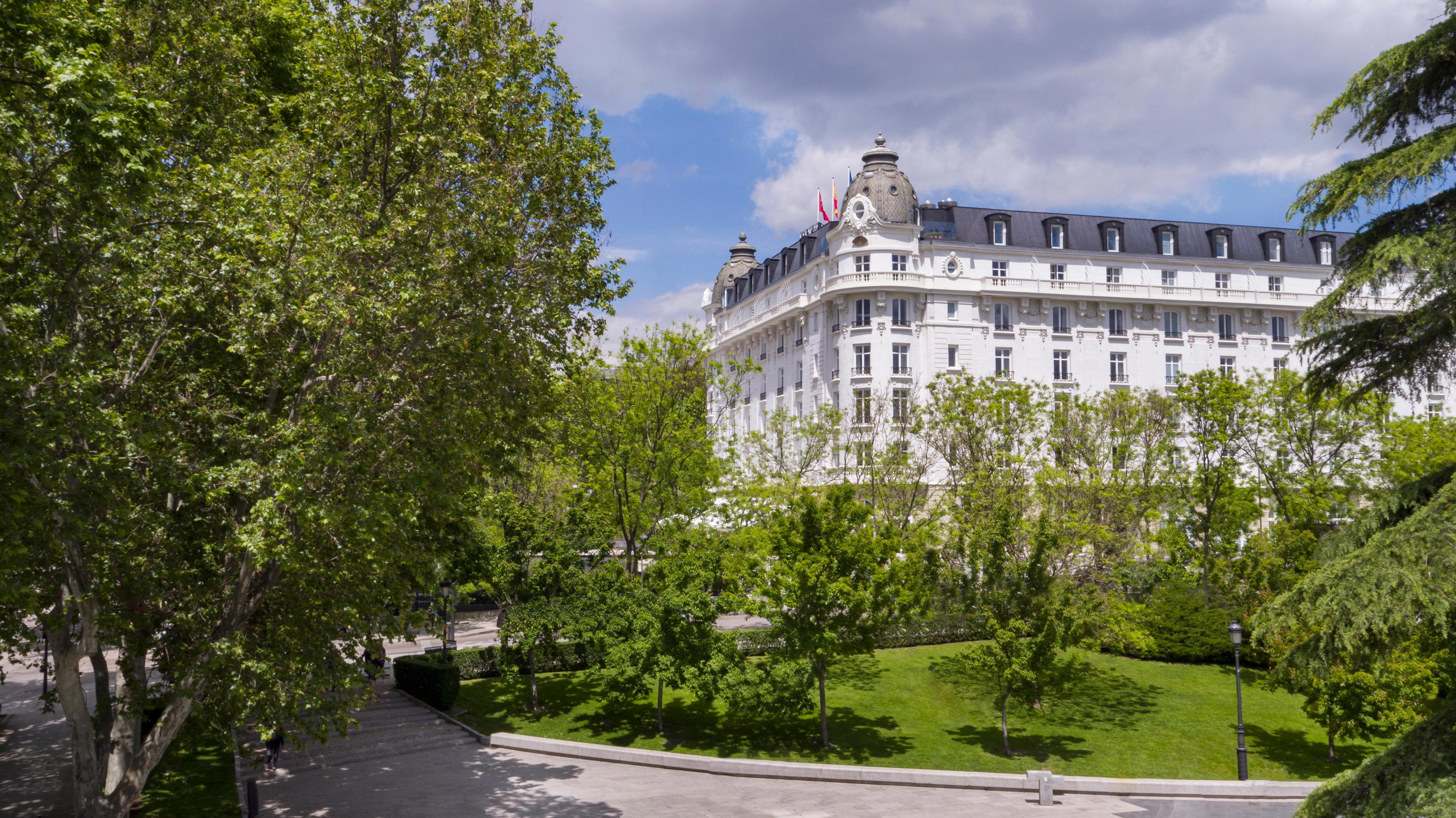
Hotels in Aranjuez
Browse all →




At a Glance
- Elegant
- Cozy
- Rustic
- Sophisticated
- Date Night
- Special Occasion
- Open Kitchen
- Private Dining
- Extensive Wine List
- Local Sourcing
Current opening hours
- Monday
- Closed
- Tuesday
- 1:30–4:30 p.m., 8:30–11:30 p.m.
- Wednesday
- 1:30–4:30 p.m., 8:30–11:30 p.m.
- Thursday
- 1:30–4:30 p.m., 8:30–11:30 p.m.
- Friday
- 1:30–4:30 p.m., 8:30–11:30 p.m.
- Saturday
- 1:30–4:30 p.m., 8:30–11:30 p.m.
- Sunday
- 1:30–4:30 p.m.
Hours can change for holidays and private events. Last verified .
Elegant and cozy atmosphere with exposed wood beams upstairs, comfortable personalized space, and warm professional service.