


Alpine restaurant in Megève built around Haute-Savoie terroir and mountain ingredient sourcing. The kitchen works with regional dairy producers, alpine foragers, and seasonal wild game to deliver a modern interpretation of Savoyard cooking that balances technical precision with elevation-driven flavours.
Pearl is the En Primeur Club membership app — saves, bookings, and concierge access live there. Same editors, same standards.
- Address
- 1775 route du Leutaz, Le Leutaz, Megève, Auvergne-Rhône-Alpes, 74120, FRA
- Phone
- +33 4 50 21 49 99
- Website
- guide.michelin.com
- Directions
- Get directions
 Saves & bookings on Pearl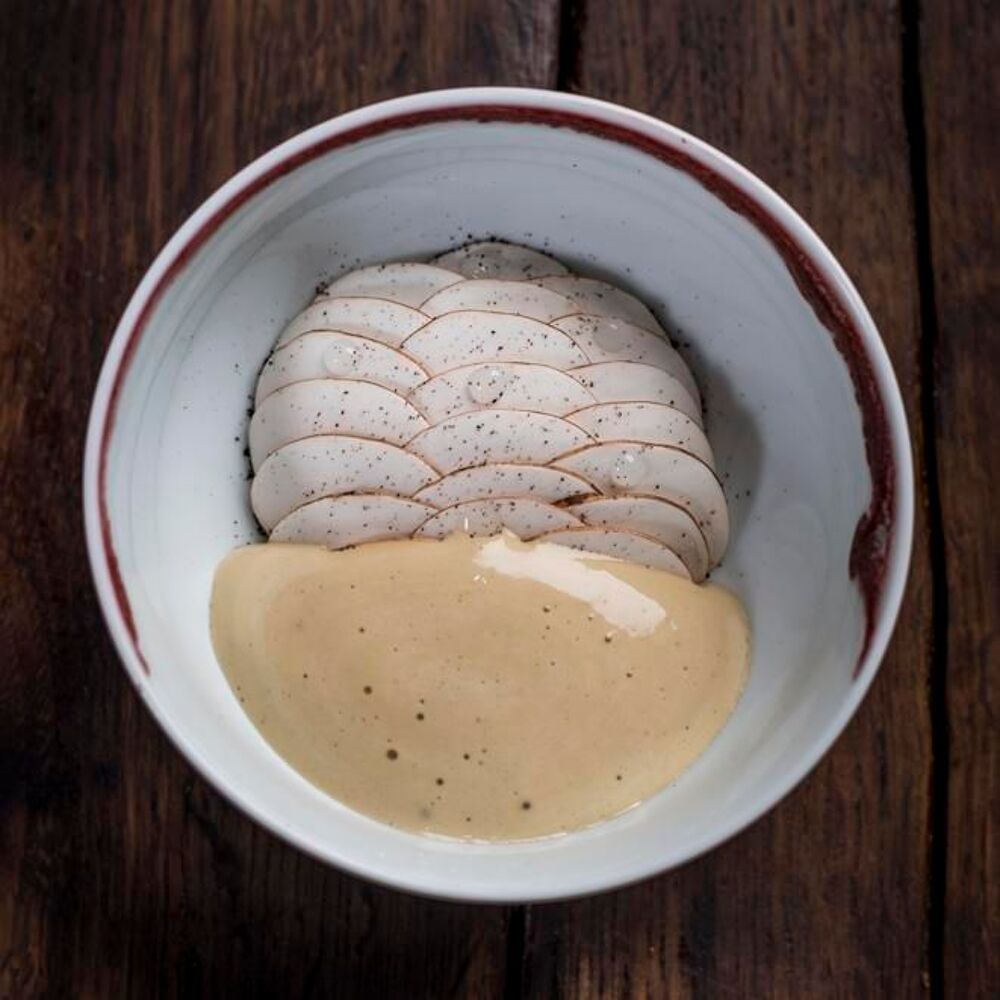
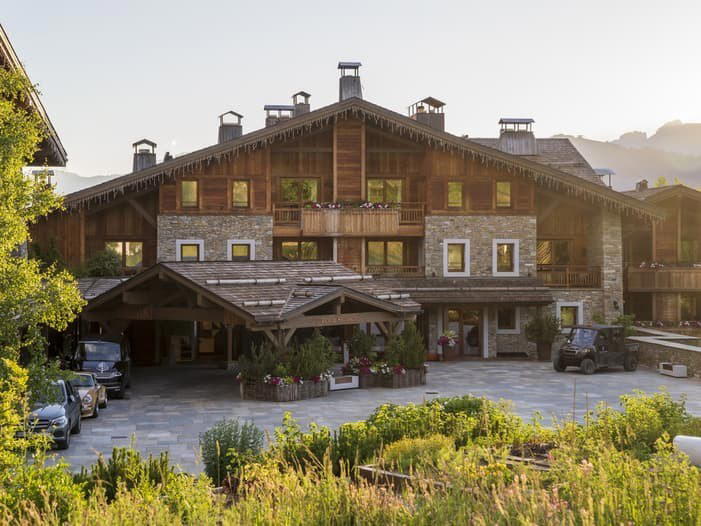
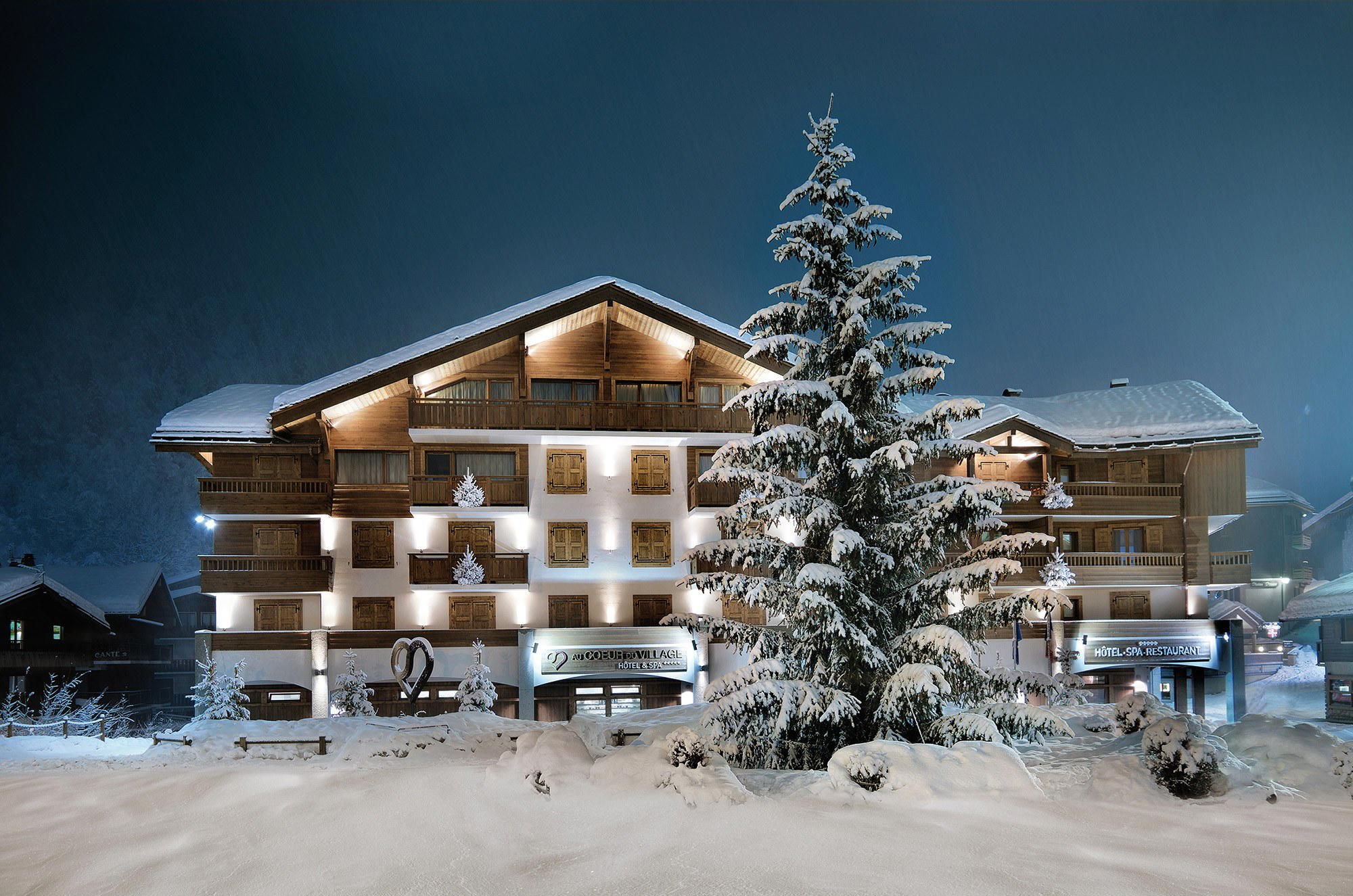
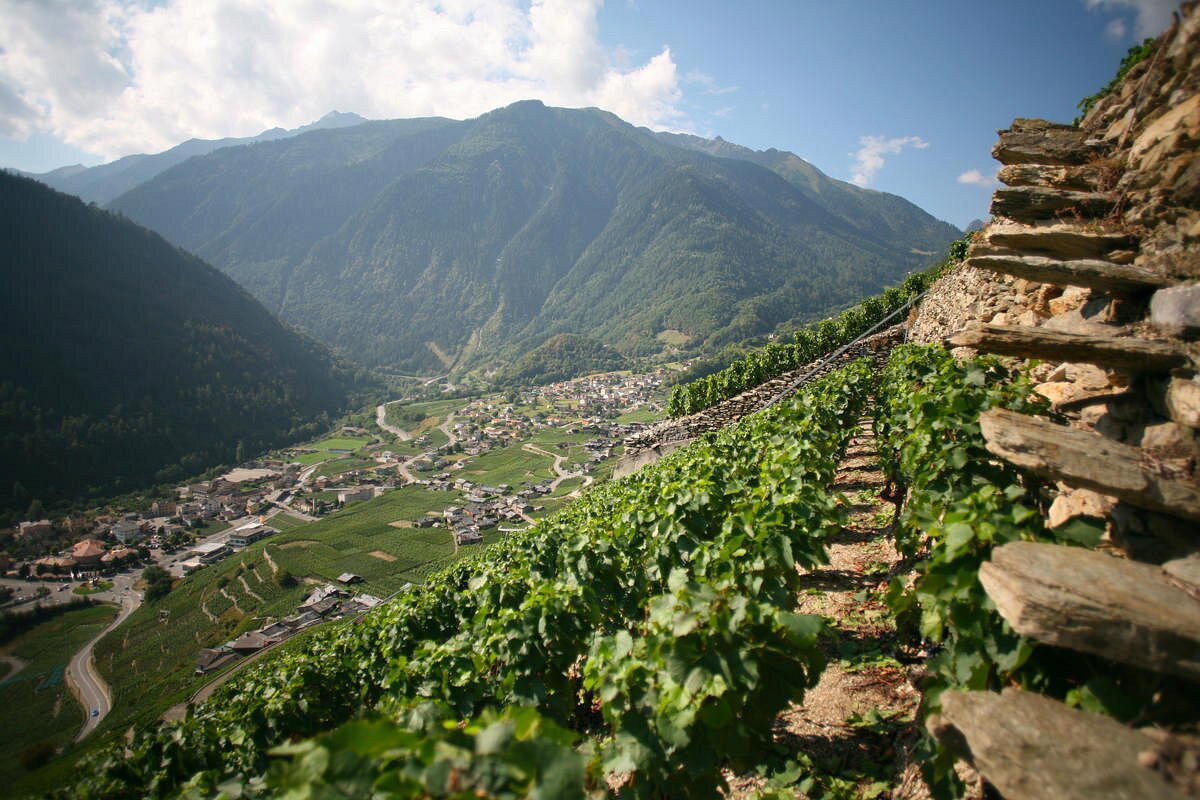
The approach to Flocons de Sel runs uphill through Le Leutaz, a hamlet east of Megève centre where chalets thin out and the forest thickens. At 1,100 metres, the dining room occupies a converted farmhouse with exposed timber, low ceilings, and windows framed by fir trees. Snow stays on the ground from December through March. The setting signals mountain dining in the traditional Savoyard sense, tight rooms, regional wood, proximity to pasture, but the kitchen operates with modern technique and a supply chain that reaches into high-altitude farms and alpine meadows most restaurants never touch.
Terroir-Anchored Sourcing and the Haute-Savoie Ingredient Network
Flocons de Sel draws heavily from producers within a 50-kilometre radius, prioritising altitude, seasonality, and heritage practices. Dairy comes from farms above 1,400 metres where cows graze on summer pasture rich in wildflowers and alpine herbs; the resulting milk carries a fat profile and mineral trace distinct from valley dairies. Cheeses, Reblochon, Beaufort d'Alpage, Tomme de Savoie, appear in both savoury courses and dessert formats, with aging managed by local affineurs who control temperature and humidity in cellars cut into rock.
Wild game in autumn and winter is sourced from controlled alpine hunts: chamois, roe deer, and hare shot above the tree line and aged in-house for up to ten days. Spring and summer bring wild herbs, gentian, sorrel, spruce tips, foraged from meadows between 1,200 and 1,800 metres. The kitchen works with a small network of foragers who know flowering windows and soil conditions across different elevations, delivering varieties that shift week to week as microclimates warm or cool. Fish comes from Lac Léman and the Arve River system, where Arctic char and féra trout offer a freshwater alternative to imported ocean stock.
This supply chain mirrors the broader movement in French alpine cooking, where chefs at [S] Corner in Courchevel and La Table de l'Alpaga in Megève have built menus around ingredient provenance and elevation-specific flavour. The difference here is consistency: Flocons de Sel has maintained these sourcing relationships across multiple decades, giving the kitchen access to first-choice lots and rare seasonal windows that newer programs are still building toward.
Format, Technique, and What Lands on the Table
The menu runs as a multi-course dégustation, typically eight to ten plates depending on season and availability. Courses are plated with modernist precision, single-origin vegetables isolated on ceramic, emulsions applied with spoons, garnishes arranged by tweezers, but flavour structure stays rooted in Savoyard tradition. A course might pair roasted alpine lamb with smoked Beaufort cream and juniper reduction, or present féra trout with foraged sorrel and a brown-butter sabayon lightened with whey. Technique is visible but not showy; the kitchen uses sous-vide, centrifuge clarification, and controlled fermentation to extract or preserve flavour, not to rewrite it.
Cheese service deserves attention. Rather than wheeling out a trolley, the kitchen integrates regional cheeses into savoury and sweet courses, a Reblochon soufflé with hazelnut oil, or a Tomme de Savoie mousse with preserved quince. For diners who prefer a traditional cheese course, the sommelier can arrange a selection from the cellar, though most opt to follow the tasting progression as written.
Wine pairings lean French, with a strong Savoie presence, Roussette de Savoie, Mondeuse, Apremont, and Burgundy for weight. The list includes vertical selections from Domaine de la Tournelle and Domaine Belluard, producers working at comparable elevations with similar soil minerality. If you prefer exploring alpine wine, ask for the Savoie-focused pairing; if you want more conventional structure, the sommelier can pivot to Burgundy and northern Rhône.
Megève's dining landscape splits between traditional brasseries serving raclette and tartiflette, Brasserie Benjamin handles that tier well, and high-technique restaurants where ingredient sourcing and plating formality define the experience. Flocons de Sel sits firmly in the latter group, alongside La Table de l'Alpaga and newer entries like 1920, which blends French and Japanese technique in a more urban format. For casual Alpine dining, Breizh Café Megève offers Breton crêpes in a lighter setting, while Anata delivers Japanese izakaya plates with French wine. The full spread is detailed in our full Megève restaurants guide.
Reservations should be made several weeks ahead for weekend dinner service during ski season (December through March) and summer peak (July and August). Midweek slots and lunch service in shoulder months (April, May, October, November) open up with shorter lead times. The restaurant does not publish walk-in availability; book by phone or through the hotel concierge if staying locally. Dinner runs from 19:30; kitchen closes by 22:00. Lunch service operates Thursday through Sunday in high season, Wednesday through Sunday off-peak.
The nearest lodging options are scattered across Megève and surrounding hamlets; our full Megève hotels guide covers the range from family chalets to luxury properties with spa access. If you're planning a broader Alpine itinerary, Megève pairs well with Courchevel (45 minutes by car) and Chamonix (one hour), both covered in detail across our regional guides. For après-ski drinks, our full Megève bars guide maps the spectrum from lodge fireside to cocktail-focused counters.
How Flocons de Sel Megève: Michelin & OAD #6 compares with similar nearby venues.
| Venue | Cuisine | Price | Awards |
|---|---|---|---|
| Flocons de Sel | Not listed | Not listed | Michelin 3 Stars |
| Le Refuge | Traditional Cuisine | €€€ | Not listed |
| Les Ronins | Modern Cuisine | €€€ | Not listed |
| La Table de l'Alpaga | Modern Cuisine | €€€€ | Not listed |
Recognition history
Dated appearances from independent guides and award organizations, with the underlying list record or original source where available.
Falstaff Restaurant - 99 Falstaff Points
Falstaff
Michelin 3 Stars
Michelin
Opinionated About Dining Classical in Europe Ranked #6
Opinionated About Dining
Continue exploring
More in Megève
More from Chef Emmanuel Renaut
Browse all →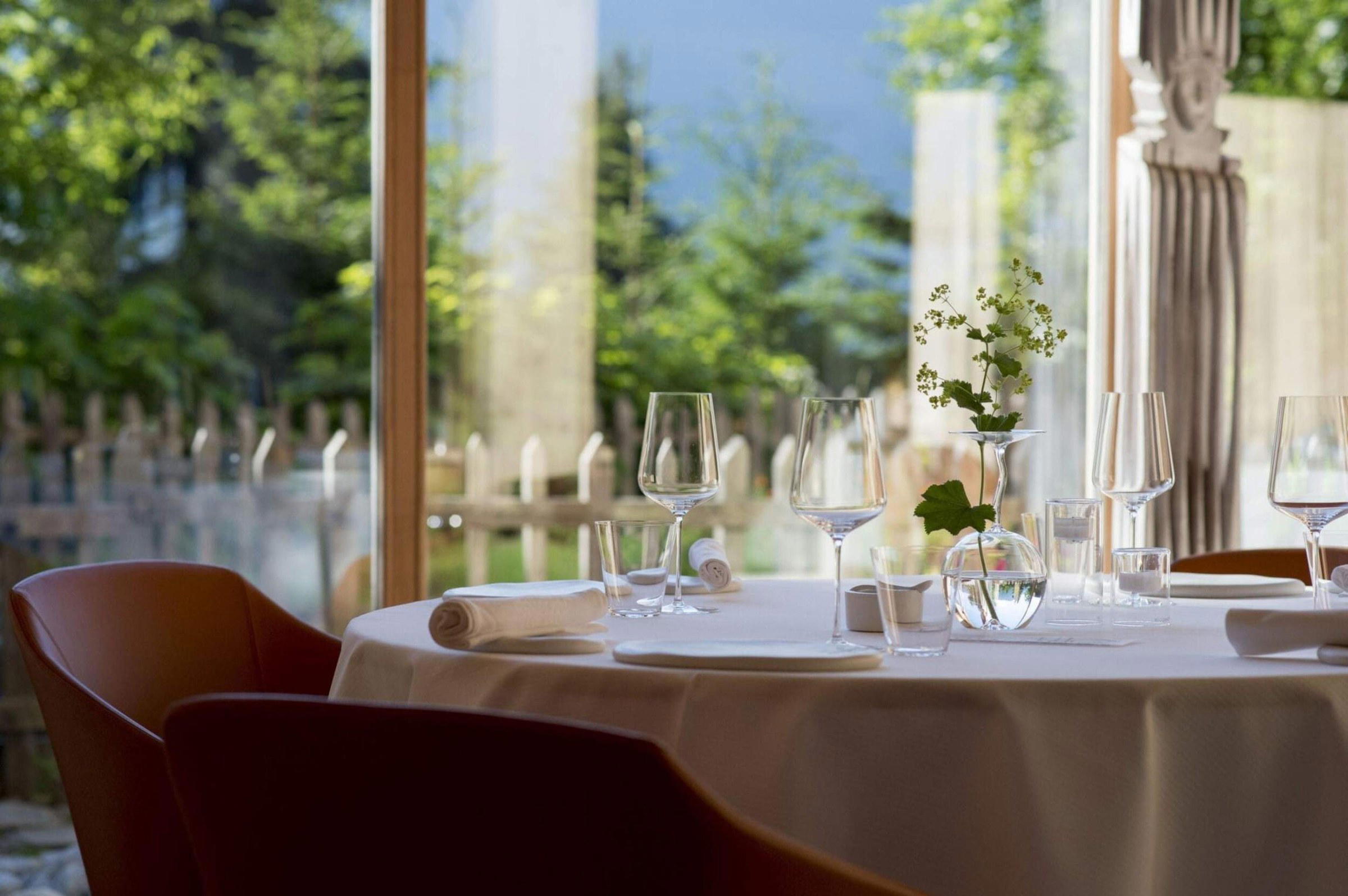
Restaurants in Megève
Browse all →
Bars in Megève
Browse all →
Hotels in Megève
Browse all →

At a Glance
- Elegant
- Romantic
- Cozy
- Rustic
- Sophisticated
- Scenic
- Special Occasion
- Celebration
- Date Night
- Business Dinner
- Group Dining
- Hotel Restaurant
- Panoramic View
- Private Dining
- Wine Cellar
- Design Destination
- Extensive Wine List
- Sommelier Led
- Local Sourcing
- Farm To Table
- Sustainable Seafood
- Mountain
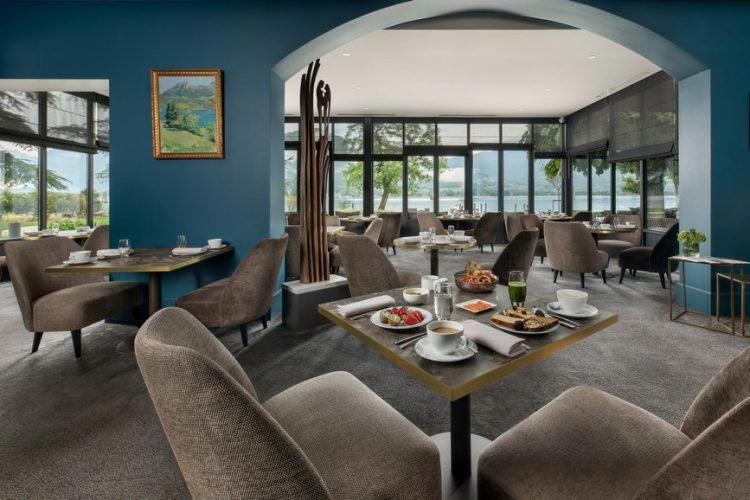
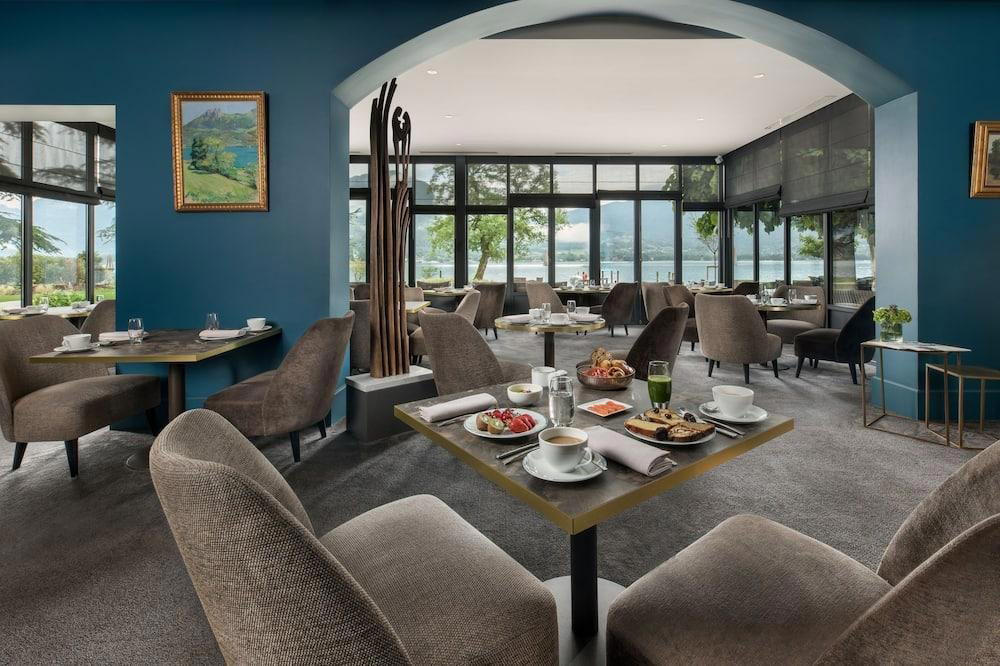
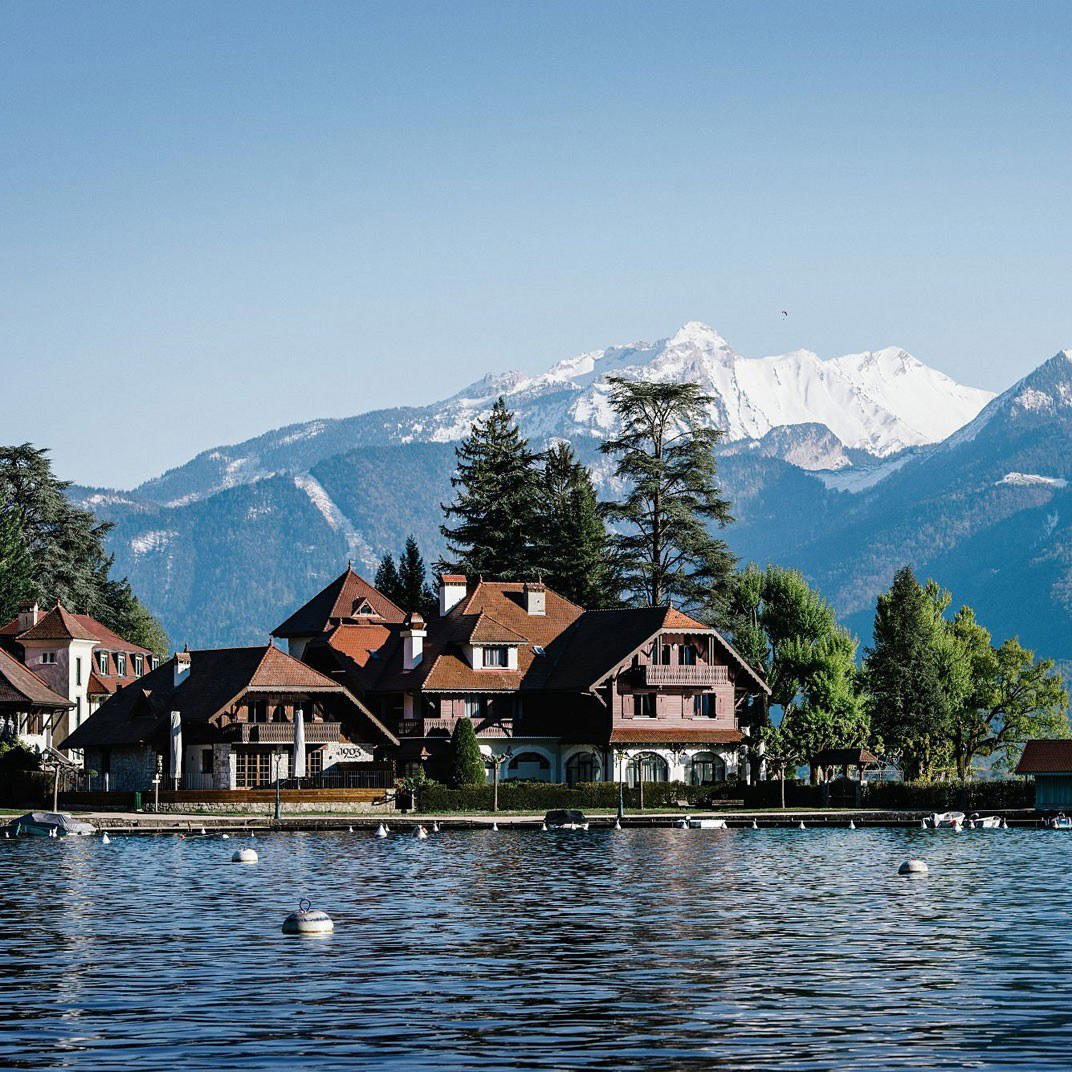
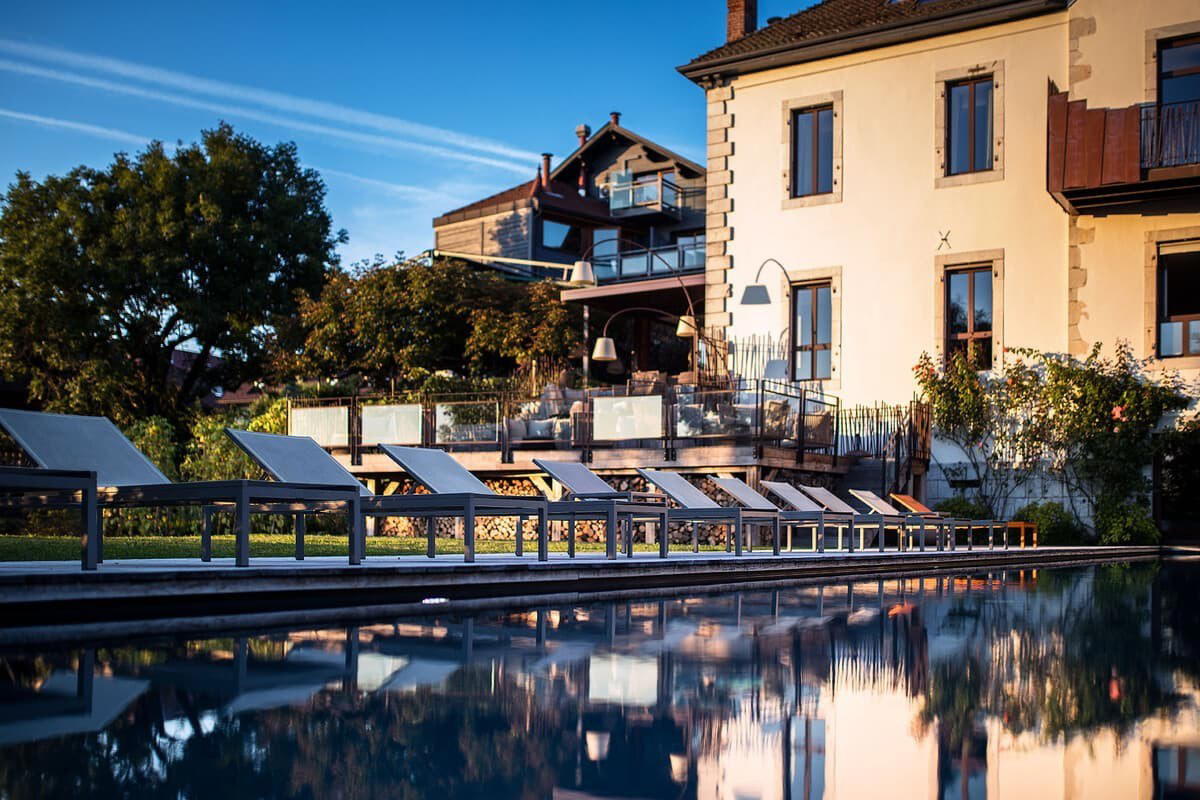
An intimate, light-flooded dining room in pale woods and natural materials, combining chalet warmth with refined, minimalist elegance and a calm, contemplative atmosphere focused on the surrounding Alps.