Mayacamas Vineyards and Winery

Perched high in the Mayacamas Mountains above Napa Valley, Mayacamas Vineyards and Winery is one of California's oldest continuously operating wine estates, with roots tracing to 1863.
Pearl is the En Primeur Club membership app — saves, bookings, and concierge access live there. Same editors, same standards.
- Address
- 1155 Lokoya Rd, Napa, CA 94558
- Phone
- +1 707-224-4030
- Website
- mayacamas.com
- Directions
- Get directions
 Saves & bookings on Pearl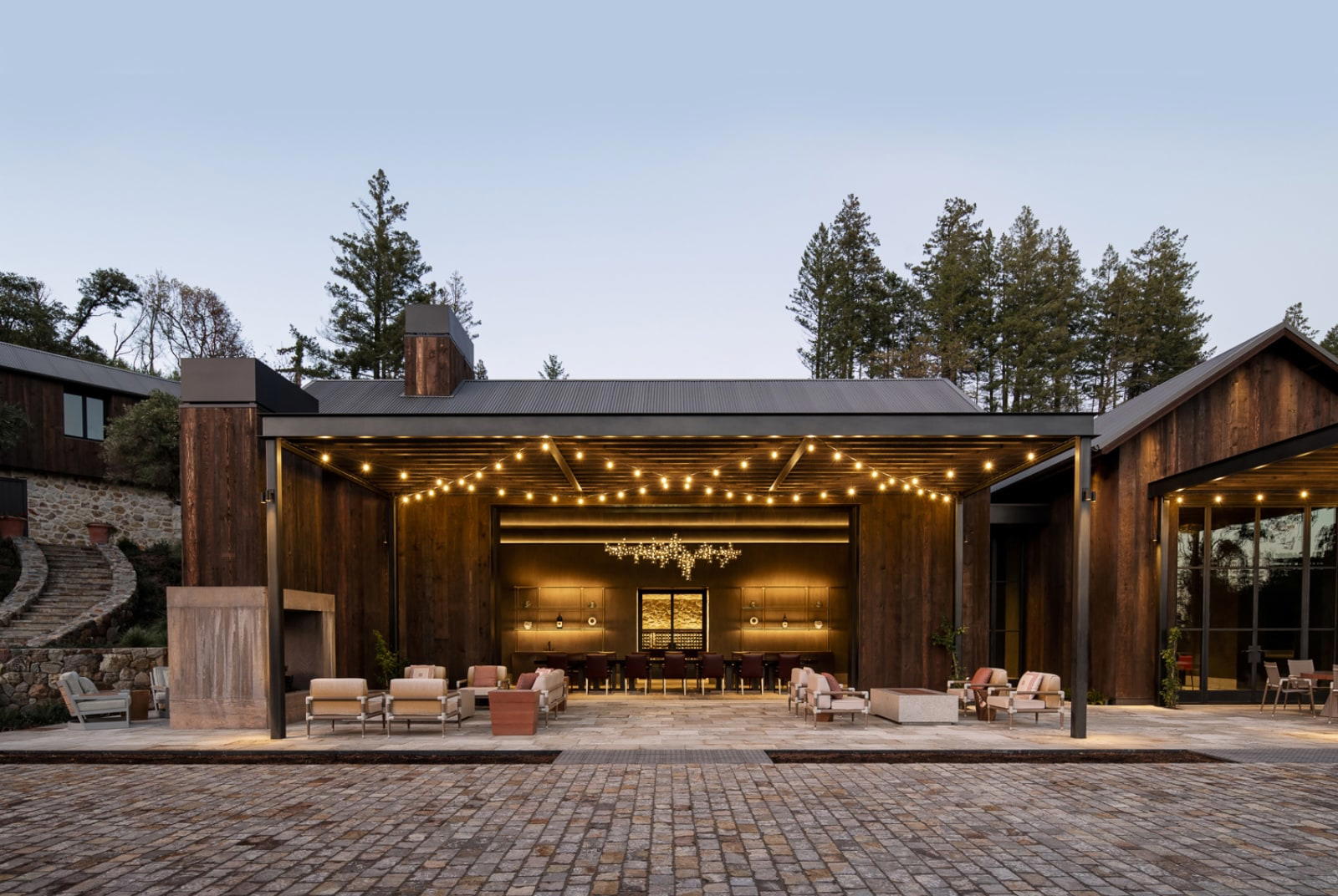
Mountain Viticulture at the Edge of Napa
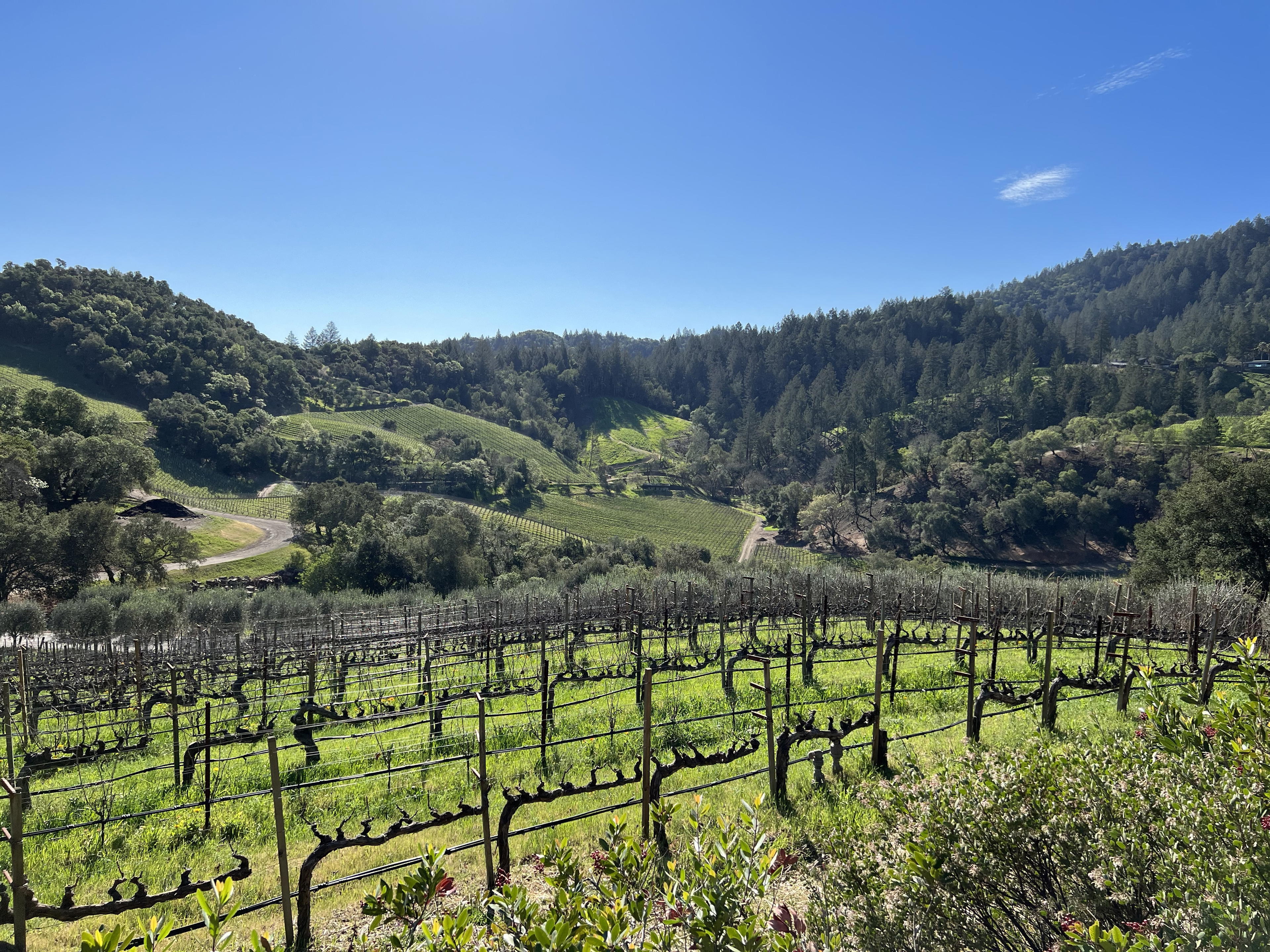
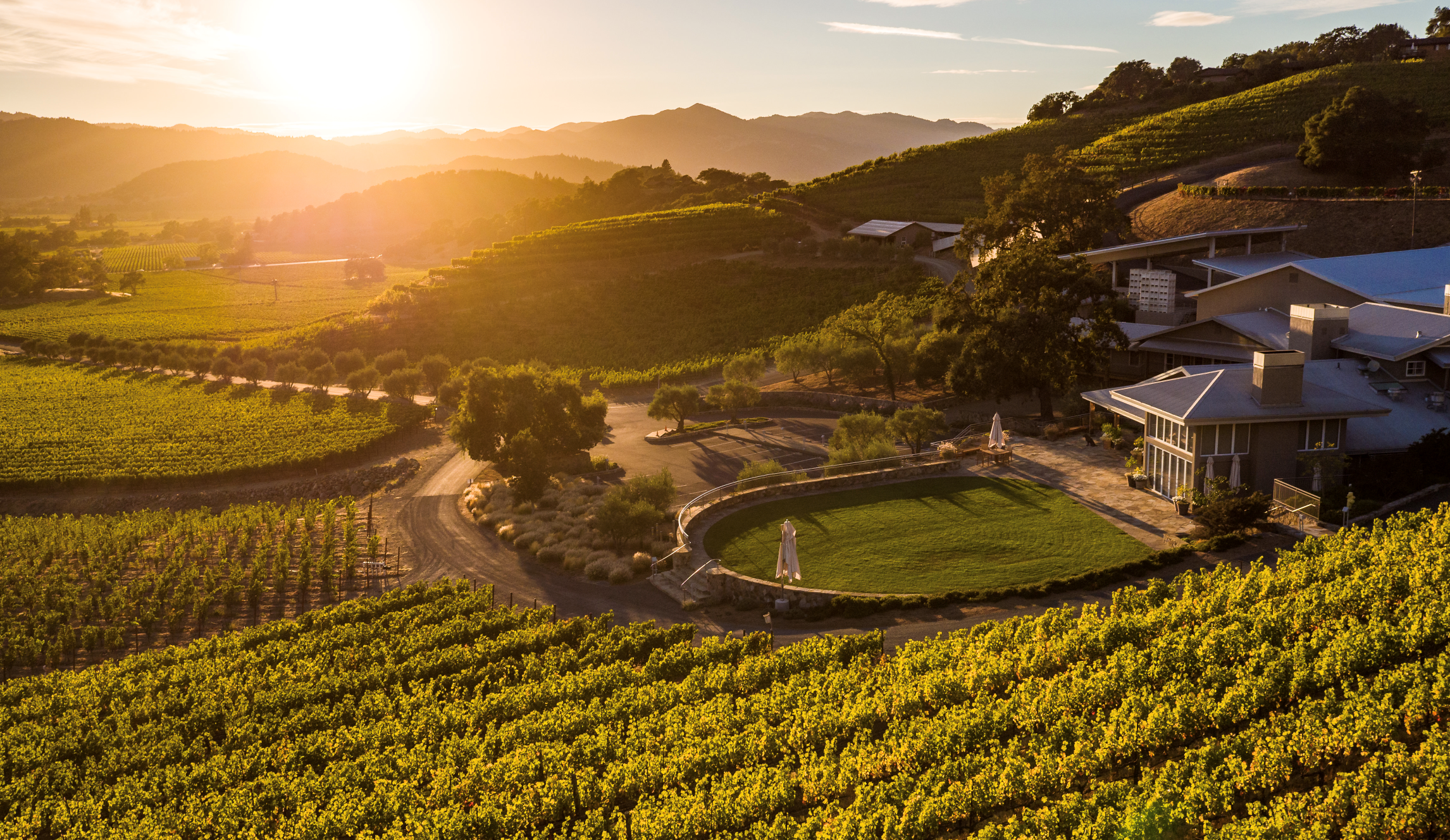
The road to Mayacamas tells you something before the wine does. Lokoya Road climbs sharply from the valley floor into the Mayacamas Mountains, the ridge line that separates Napa from Sonoma, and by the time the winery comes into view, the valley's familiar geometry has disappeared below a canopy of oak and chaparral. This is not the flat, irrigated, camera-ready Napa of the highway corridor. At elevations that place the estate well above the valley's fog layer, the light arrives differently, the mornings run cooler, and the growing season extends in ways that shape wine character at a foundational level rather than through cellar intervention.
That physical remove has defined the estate's identity for decades and continues to place Mayacamas in a specific competitive tier: mountain Cabernet producers who prize structural tension and aging capacity over the plush, immediately accessible fruit profile that has dominated critical conversation in lower-elevation Napa. Within that tier, the estate sits alongside properties where site dominates style rather than the reverse.
A Portfolio Built Around the Mountain's Logic
What Mayacamas's portfolio reveals, structurally, is a deliberate refusal to flatten its terroir for accessibility. Mountain-grown Cabernet Sauvignon at high elevation produces smaller berries, thicker skins, and naturally higher tannin loads, which in turn demand either cellar time or winemaking choices that manage extraction carefully. The estate leans toward the former: wines made for the long haul, with release timing and cellar recommendations that assume a collector rather than an impulse buyer is on the other end.
This approach separates the property clearly from valley-floor Napa houses that build for immediate critical score capture. It also places Mayacamas closer in philosophy, if not geography, to estates like Accendo Cellars in St. Helena, where structural discipline and restrained extraction sit at the center of the winemaking logic. The contrast with houses oriented toward broad commercial distribution is intentional and consistent across vintages.
Winemaker Braiden Albrecht holds the production decisions at Mayacamas, working within a framework that the estate's history has already defined. The oldest vines on the property trace to plantings that predate modern Napa entirely, and the estate's founding year of 1863 places it in a rare group of California producers with more than a century and a half of continuous operation. That continuity carries weight: in a region where many celebrated estates are decades-old at most, 160-plus years of site observation represents a different kind of institutional knowledge.
1863 and What That Vintage Baseline Means
The 1863 founding date is not mere historical color. In wine terms, a first vintage in 1863 predates Prohibition, predates the phylloxera crisis that reshaped California viticulture in the late 19th century, and predates the marketing-led reinvention of Napa that accelerated from the 1960s onward. Estates with that depth of history tend to carry one of two identities: either they have drifted from their origins as ownership changed and market pressure accumulated, or they have used their age as an anchor, resisting stylistic reinvention in favor of consistency.
Among Napa estates with comparable recognition, the comparable set tends to cluster around producers committed to place-driven wine rather than formula-driven output.
The Tasting Room and What to Expect
The physical experience at Mayacamas is shaped by the same elevation that defines its wines. The mountain setting is not scenery added to a tasting room built for Instagram; it is the condition under which everything here operates. Visiting requires a commitment: Lokoya Road demands attention behind the wheel, and the estate's remove from the valley-floor trail of tasting rooms means visitors generally arrive with purpose rather than as part of a spontaneous Napa tour.
That self-selection tends to shape the room's atmosphere. Visitors who move through the approach already understand, roughly, what kind of winery they are visiting. Appointments are the operating assumption at mountain estates of this caliber; arriving without one at a property with this level of recognition and limited access is inadvisable. Practical planning should account for the drive time from downtown Napa or St. Helena, which involves single-lane mountain road sections that add buffer time in both directions.
For those building a broader Napa itinerary around mountain and specialty producers, the estate pairs logically with visits to Artesa Vineyards and Winery, positioned at the valley's southern entrance with its own elevation-influenced program, or with Clos Selene Winery for contrast within the Napa premium tier. Readers interested in how California mountain viticulture extends beyond Napa will find useful comparison points at Adelaida Vineyards in Paso Robles and Alban Vineyards in Arroyo Grande, both operating at elevation with a similar emphasis on site expression over commercial extraction.
Where Mayacamas Sits in the Broader Napa Hierarchy
Napa's premium identity is built on Cabernet Sauvignon, and within that category the valley has stratified sharply: cult allocations at one end, broad-distribution valley-floor Cabernet at the other, and a middle tier of serious but accessible estate wines that has grown substantially over two decades. Mountain Cabernet from established estates occupies its own distinct band, characterized by higher structural tension, longer aging requirements, and a smaller but highly committed collector base.
Mayacamas belongs firmly in that mountain band. Alpha Omega Winery in Rutherford represents the valley's more accessible premium tier; Alexander Valley Vineyards in Geyserville illustrates how Sonoma's mountain and valley interplay produces a different structural profile from the same grape varieties. Both are useful reference points for understanding what Mayacamas is not, which helps clarify what it is.
For collectors and serious visitors, the estate represents one of a handful of Napa addresses where the wine's reputation rests on decades of consistent site expression rather than a concentrated burst of critical attention or a recent ownership change. That durability is itself a form of credential that no single vintage or rating cycle can replicate. Properties operating at that level, whether in Napa, Oregon's Willamette Valley, or Santa Barbara County, share an underlying logic: the site's voice, accumulated over generations, is the product.
Planning Your Visit
Mayacamas Vineyards and Winery is located at 1155 Lokoya Road, Napa, CA 94558. The estate's address places it well above the valley floor; allow additional travel time relative to standard Napa itinerary pacing, and plan for a focused visit rather than a brief tasting between other stops.
Where It Fits
Comparable venues nearby, for context on price, style, and recognition.
| Venue | Cuisine | Price | Notes |
|---|---|---|---|
| Mayacamas Vineyards and WineryThis venue — the venue you are viewing | Cabernet Sauvignon, Chardonnay | $$$$ | Not listed |
| Harlan Estate | Cabernet Sauvignon, Merlot | $$$$ | Oakville |
| Realm Cellars | Cabernet Sauvignon, Merlot | $$$$ | Stags Leap District |
| Macdonald | Cabernet Sauvignon, Cabernet Franc | $$$$ | Oakville |
| The Vice | Cabernet Sauvignon, Pinot Noir | $$$$ | St. Helena |
| Hundred Acre | Cabernet Sauvignon, Cabernet Franc | $$$$ | St. Helena |
Recognition history
Dated appearances from independent guides and award organizations, with the underlying list record or original source where available.
Falstaff Winery - Listed
Falstaff
Continue exploring
More in Napa
Wineries in Napa
Browse all →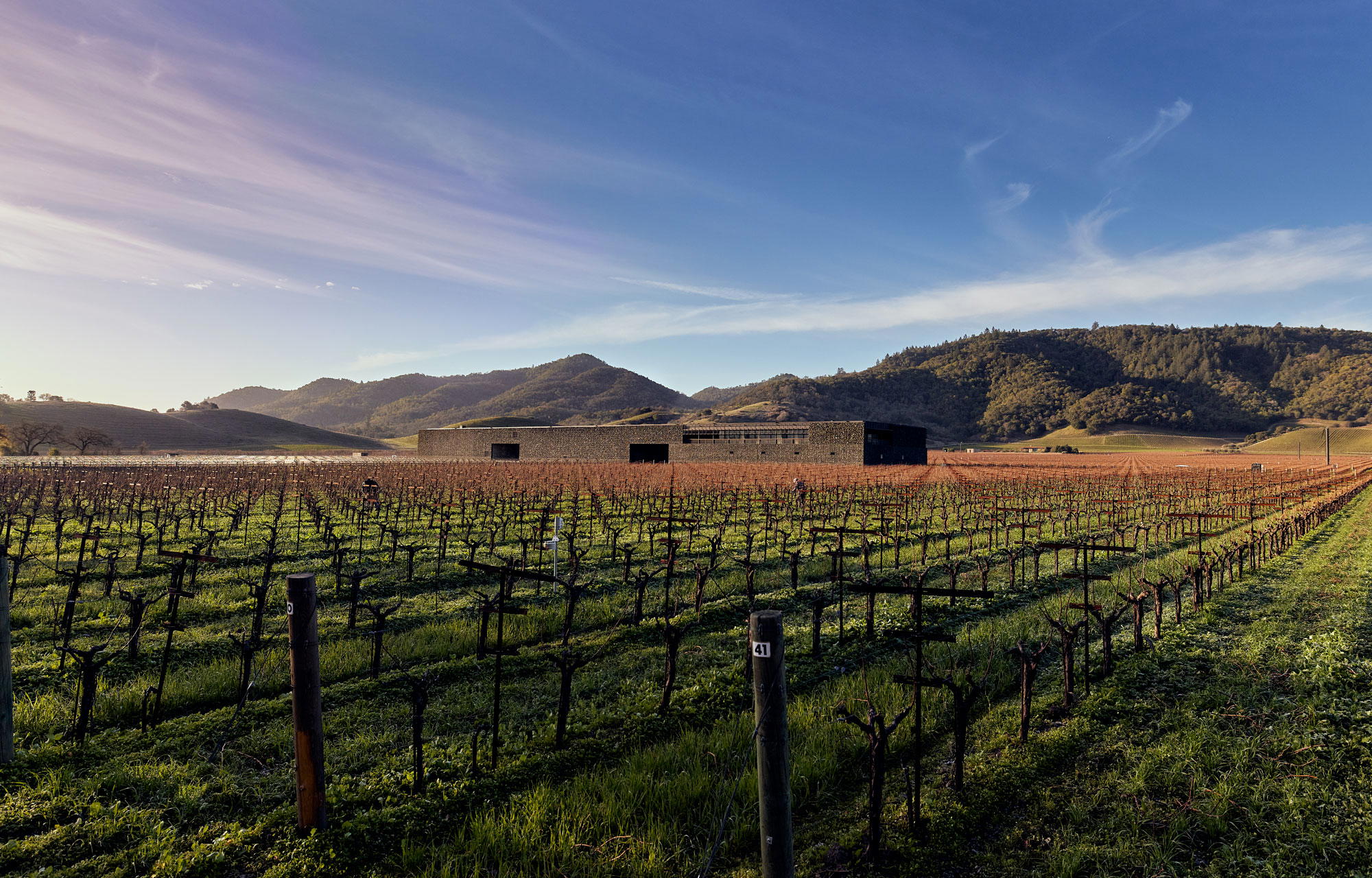
Bars in Napa
Browse all →
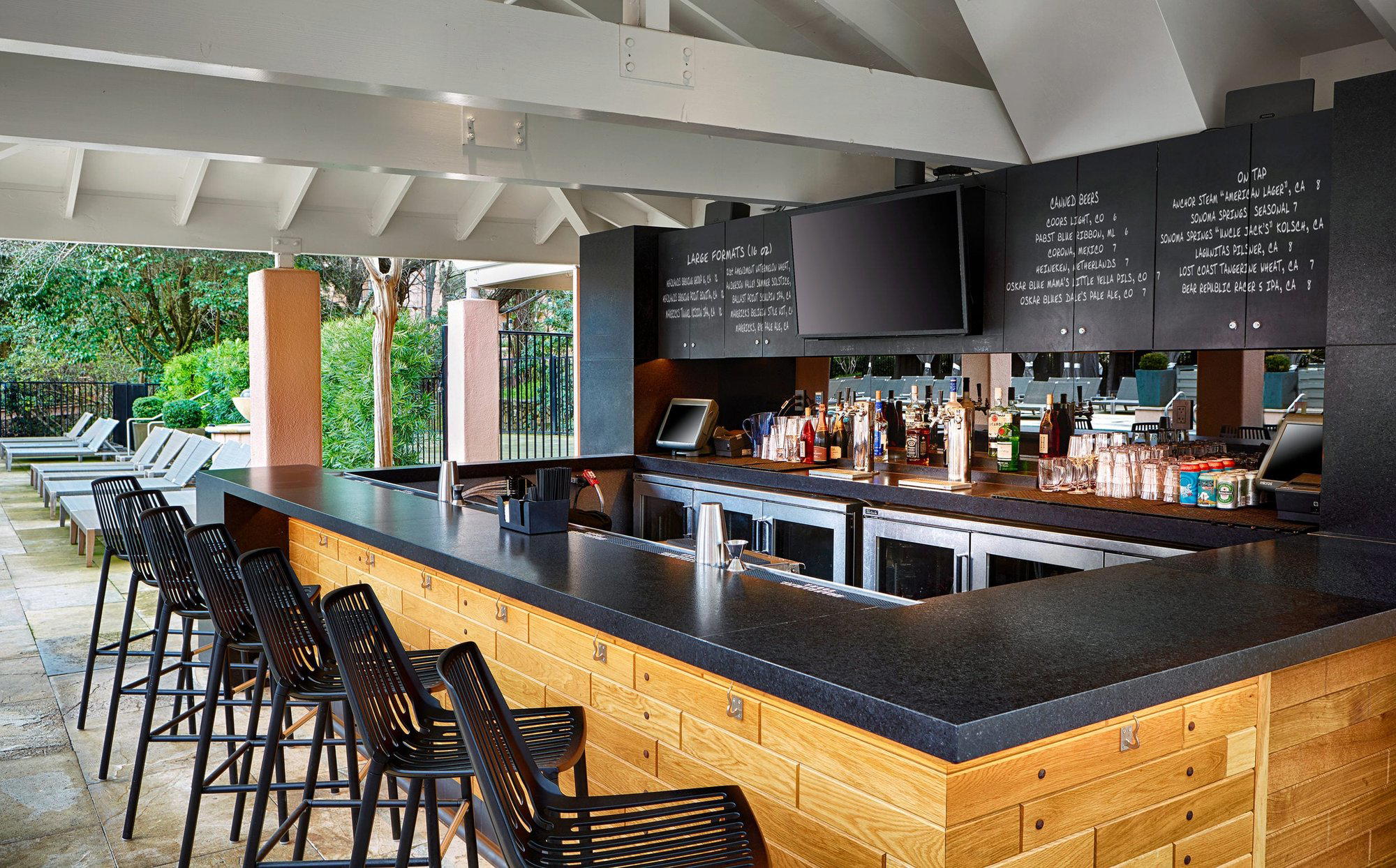
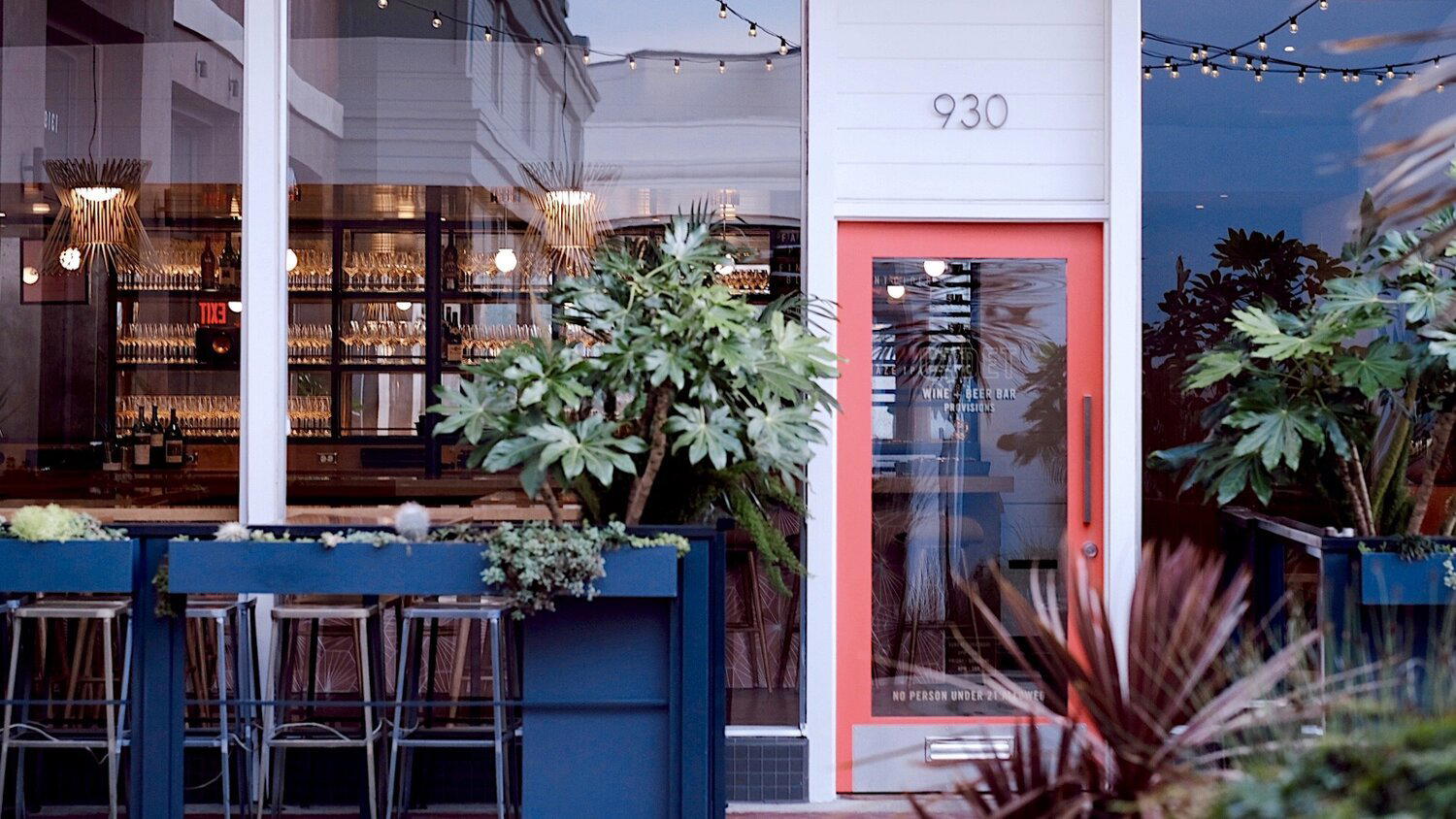
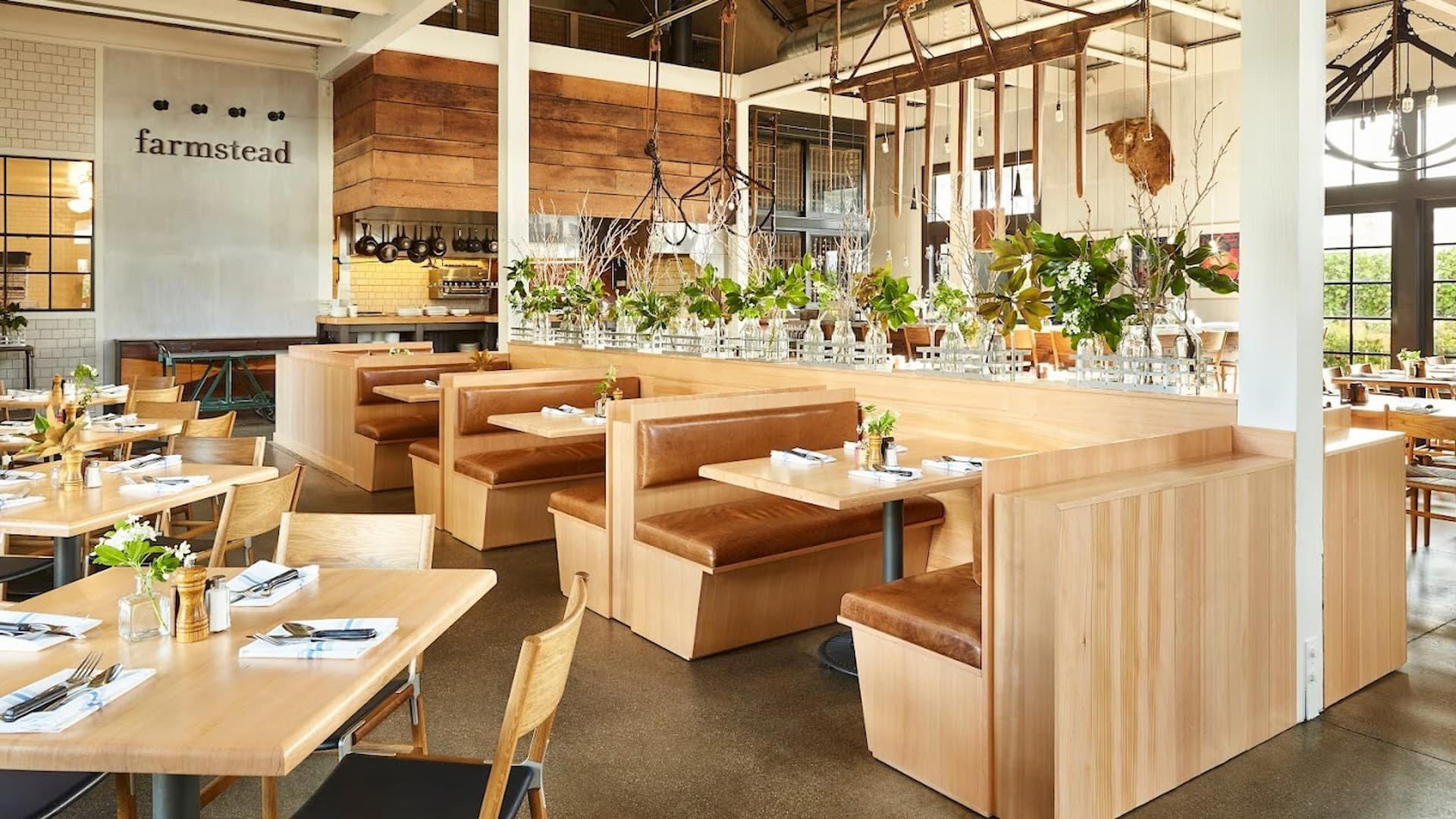
Restaurants in Napa
Browse all →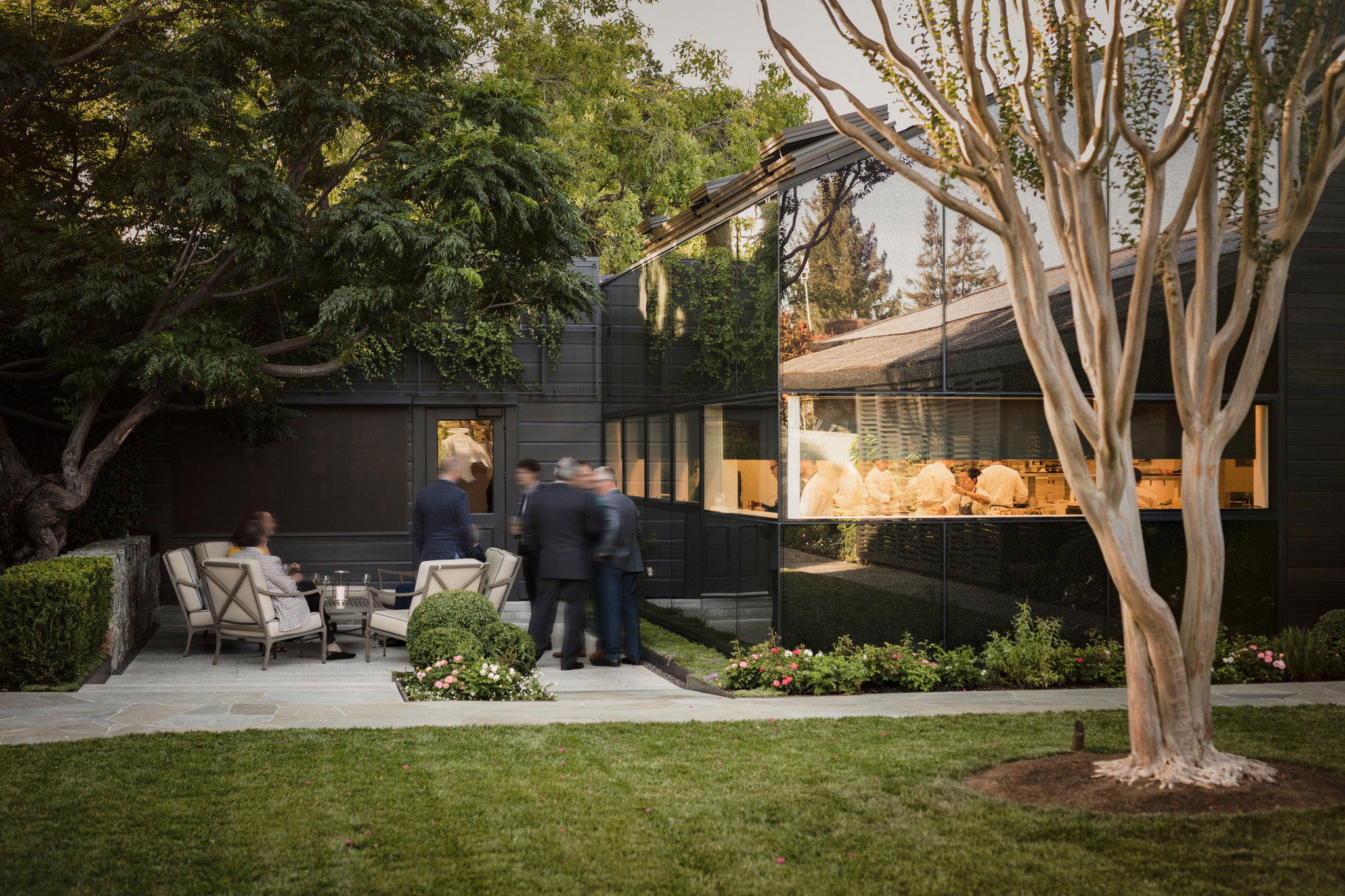
At a Glance
- Classic
- Rustic
- Scenic
- Elegant
- Intimate
- Well Known
- Wine Education
- Special Occasion
- Solo Exploration
- Vineyard Tour
- Historic Building
- Panoramic View
- Estate Grounds
- Organic
- Dry Farmed
- Mountain
- Vineyard
- Mt. Veeder
- Cabernet Sauvignon
- Chardonnay
- Merlot
- Cabernet Franc
- Sauvignon Blanc
- Grenache
- Still Red
- Still White
- Private Tasting
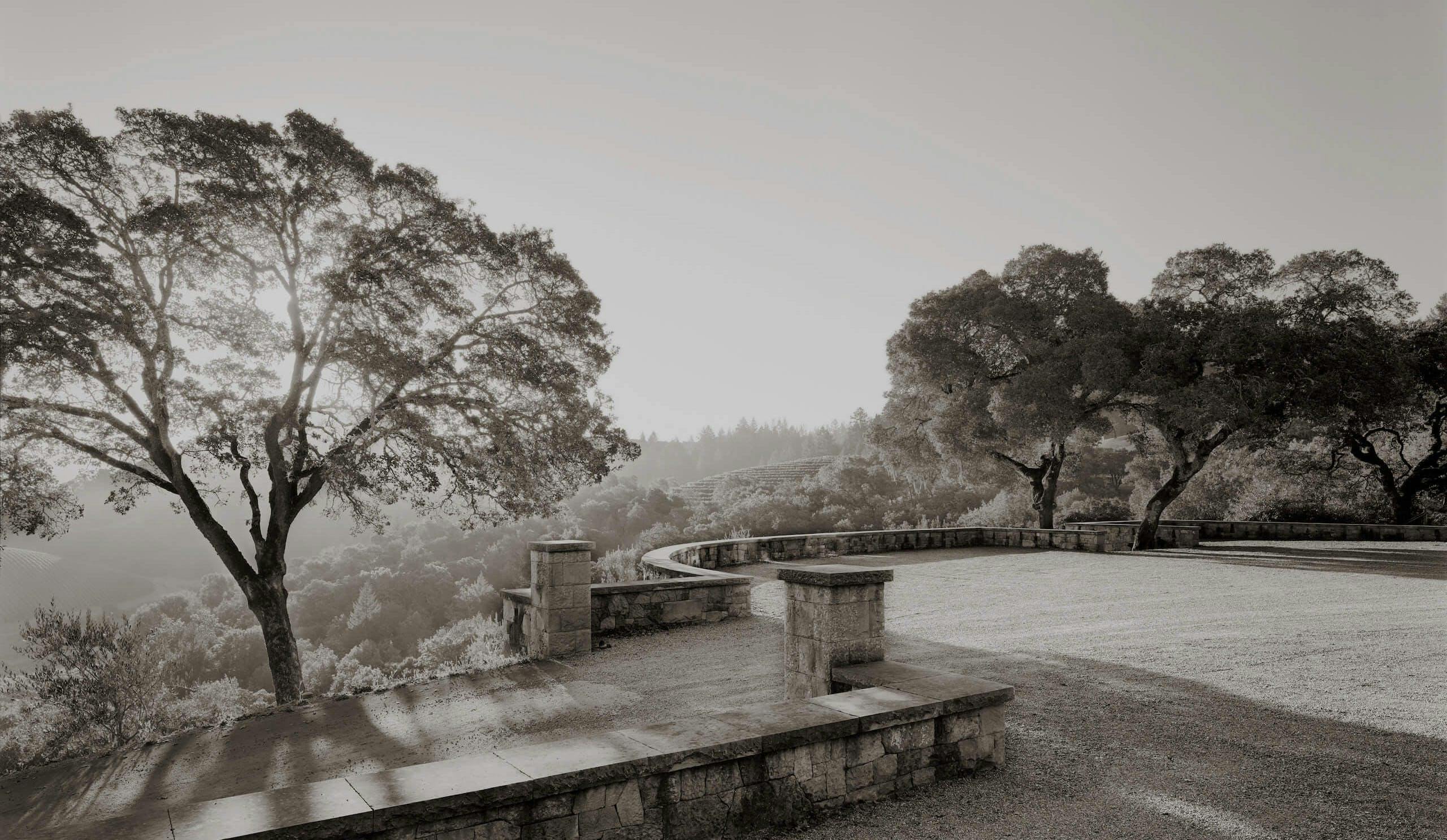
Rustic yet elegant mountain-top setting with 19th-century stone architecture, natural lighting, and serene, historic atmosphere.