[àbitat]


At [àbitat] in San Fermo della Battaglia, a Michelin Plate-recognised kitchen runs on wild forage, garden herbs, and produce drawn from the mountains and coast of the Como hinterland. Fire, fermentation, and near-zero food waste shape a menu where plant ingredients carry genuine weight alongside meat and fish. The approach is disciplined, the sourcing traceable, and the result is one of Lombardy's more considered addresses at the €€€ price point.
Pearl is the En Primeur Club membership app — saves, bookings, and concierge access live there. Same editors, same standards.
- Address
- [àbitat], San Fermo della Battaglia, CO, Italy
- Phone
- +39 349 068 3973
- Website
- abitatproject.it
- Directions
- Get directions
 Saves & bookings on Pearl
![[àbitat] restaurant in San Fermo della Battaglia, Italy](https://cdn.enprimeurclub.com/storage/v1/object/public/images/locations/reccZe1YVSUf2uNsv/hero1.jpg?width=3840&quality=75)
Where the Food Comes From First
In the Italian north, the conversation about ingredient sourcing has largely played out at the expensive end of the price spectrum. Kitchens earning three Michelin stars, think Osteria Francescana in Modena or Le Calandre in Rubano, have long used provenance as both creative engine and marketing shorthand. What is less common is finding that same commitment to traceable, circular sourcing at a more accessible price tier, in a small town rather than a city destination. [àbitat], in San Fermo della Battaglia on the hills above Como, operates in that less-crowded space. It is a restaurant serving Modern Italian Fire-Cooked Foraging Cuisine at a price tier of 4, with reservations essential. It holds a Michelin Plate (2025), and it draws an ingredient philosophy that looks upstream, to gardens, foragers, mountain producers, and coastal suppliers, before it looks at technique.
The Supply Chain as Menu Architecture
The sourcing framework at [àbitat] is specific enough to function as a kind of menu architecture. Herbs come from the restaurant's own garden. Foraged ingredients, gathered daily when the season allows, move from hillside to kitchen with minimal intermediary. Mountain and coastal produce round out the sourcing picture, reflecting the geographic peculiarity of Como province: close enough to the Alps for highland ingredients, close enough to the Lombardy plains and the lakes for everything else. This dual-terrain sourcing mirrors what kitchens in the broader northern Italian innovative category have spent years trying to formalise. At Atelier Moessmer Norbert Niederkofler in Brunico, the alpine sourcing ethos runs through every course at €€€€ pricing. [àbitat] applies comparable discipline at a tier below, which changes the calculus for the diner considerably.
The circular farming objective, with food waste reduced to a minimum, is not decorative language here. The restaurant frames it as a structural goal rather than a side commitment. Fermentation, fire, and preservation each enter the kitchen as tools for closing the loop on produce that might otherwise be wasted. In a region where seasonal abundance is real, from spring forage through autumn mushrooms to winter root vegetables, that approach has practical depth.
Plants as Protagonists, Not Garnish
Treatment of vegetables and plant ingredients at [àbitat] sits outside the Italian mainstream, where meat and fish have historically anchored serious tasting menus. Plants take, in the kitchen's own framing, a starring role. This is a meaningful distinction in Lombardy, where even progressive kitchens at the Enrico Bartolini level maintain a protein-forward menu architecture. At [àbitat], vegetable-led courses carry the same creative weight as meat and fish dishes, and the menu does not treat them as secondary placeholders.
Meat and fish remain on the menu, but the direction of travel is legible. Whether that shift happens or not, the current menu already positions [àbitat] in a niche that has few direct comparators in the Lake Como dining zone at this price point.
The Room and the Register
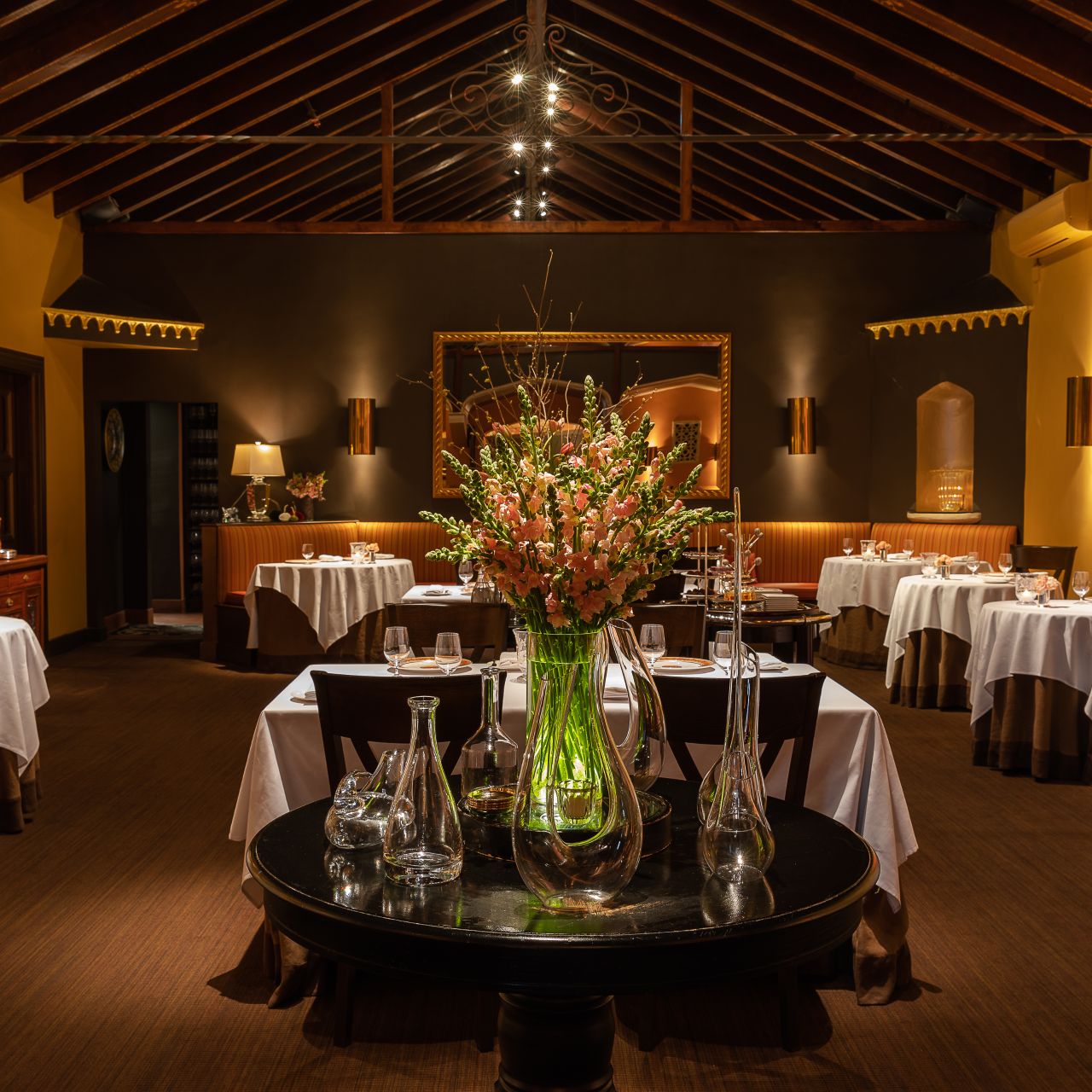
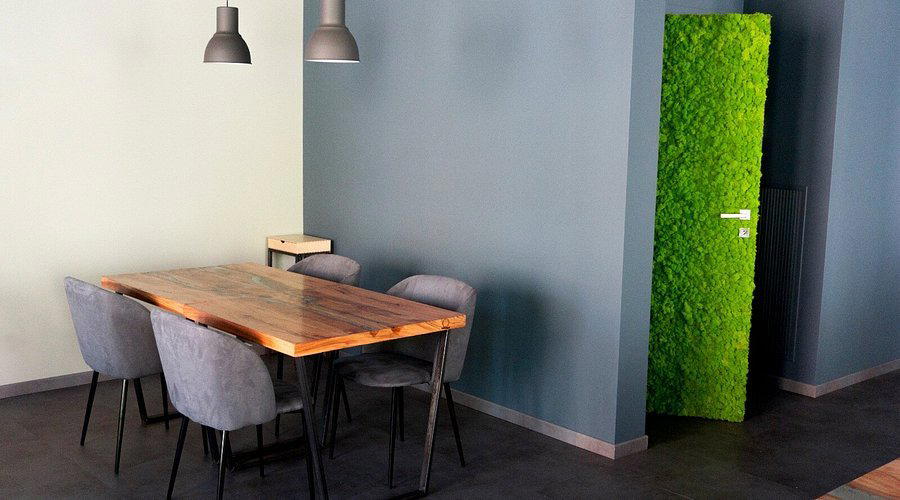
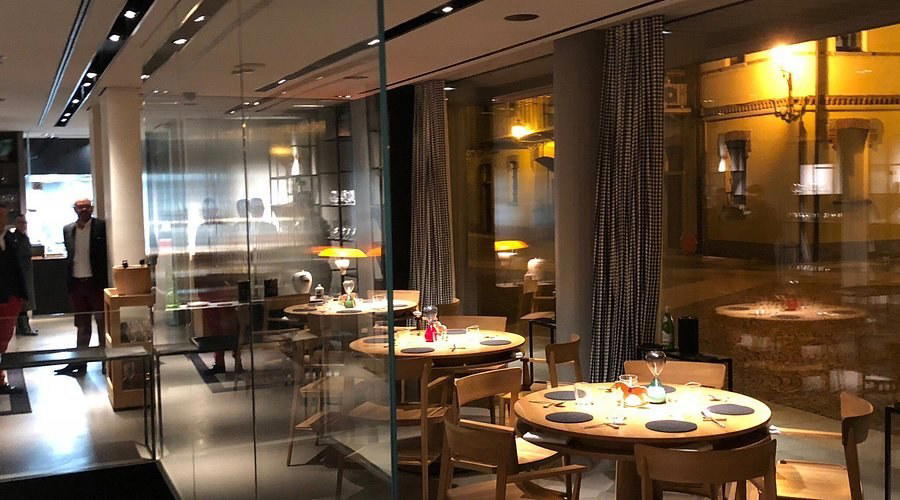
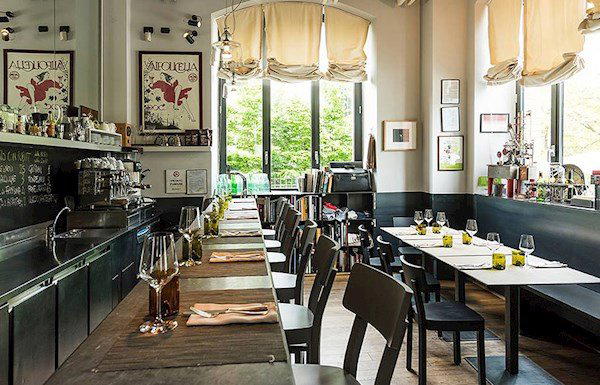
San Fermo della Battaglia is a small comune sitting in the hills between Como city and Cantù. It is not a dining destination in the way that, say, Piazza Duomo draws visitors to Alba or Reale brings diners to Castel di Sangro. The restaurant operates within a local context rather than as an international draw, which shapes both its atmosphere and its ambitions. Michelin describes a modern, welcoming room run by a young couple whose professionalism is noted alongside their enthusiasm. That combination, rigorous sourcing, relaxed welcome, marks a generation of Italian restaurants that have moved away from white-tablecloth formality without abandoning technical ambition.
The €€€ price range places [àbitat] in the mid-to-upper tier for the area, accessible enough to bring in locals and curious regional visitors without requiring destination-level commitment. For comparison, the major creative Italian restaurants in the northern tier, Dal Pescatore in Runate, Enoteca Pinchiorri in Florence, operate at €€€€ and require advance planning of a different order. The innovative format at alla prima in Seoul or MAZ in Tokyo shows how the genre travels internationally, but [àbitat]'s interest lies in rooting the same ambitions firmly in one specific northern Italian terrain.
A Cuisine Shaped by What the Season Allows
Daily wild foraging, when the season is right, is not a romantic flourish at [àbitat], it is a logistical reality that shapes the menu in real time. This is a key difference between restaurants that claim seasonal sourcing and those that are genuinely constrained and shaped by it. What grows, what can be gathered, what needs to be preserved or fermented before it is lost: these decisions feed directly into what arrives on the plate. The practical consequence for the diner is that the menu shifts with the calendar in ways that are unpredictable enough to reward repeat visits across different months.
The Michelin Plate recognition in 2025 marks [àbitat] as a kitchen operating with clear intent and sufficient execution to earn editorial notice, even if the full star has not yet followed. That gap, between recognised potential and awarded status, is where some of Italy's more interesting restaurants currently sit. Casa Perbellini 12 Apostoli in Verona and Uliassi in Senigallia offer useful reference points for the broader northern Italian innovative category, should the itinerary extend. Quattro Passi in Marina del Cantone shows what the southern Italian coastal version of this sourcing-led ambition looks like at the highest level.
Comparable Spots, Quickly
Comparable venues nearby, for context on price, style, and recognition.
| Venue | Cuisine | Price | Awards | Notes |
|---|---|---|---|---|
| [àbitat]This venue — the venue you are viewing | Modern Italian Fire-Cooked Foraging Cuisine | $$$$ | Michelin Plate | Not listed |
| Borgia Milano | Modern Italian Fine Dining | $$$$ | Michelin Plate | Porta Magenta |
| Collina | Modern Italian Fine Dining | $$$$ | Michelin Plate | Almenno San Bartolomeo |
| DaV by Da Vittorio Louis Vuitton | Modern Italian Fine Dining | $$$$ | Michelin Plate | Duomo |
| Soul Restaurant | Modern Italian Creative | $$$$ | Michelin Plate | Legnano |
| Pellico 3 | Modern Italian Mediterranean Fine Dining | $$$$ | Michelin Plate | Duomo |
Recognition history
Dated appearances from independent guides and award organizations, with the underlying list record or original source where available.
Michelin Plate
Michelin
We're Smart World 3 Radishes
We're Smart World
Michelin Plate
Michelin
Continue exploring
More in San Fermo della Battaglia
Restaurants in San Fermo della Battaglia
Browse all →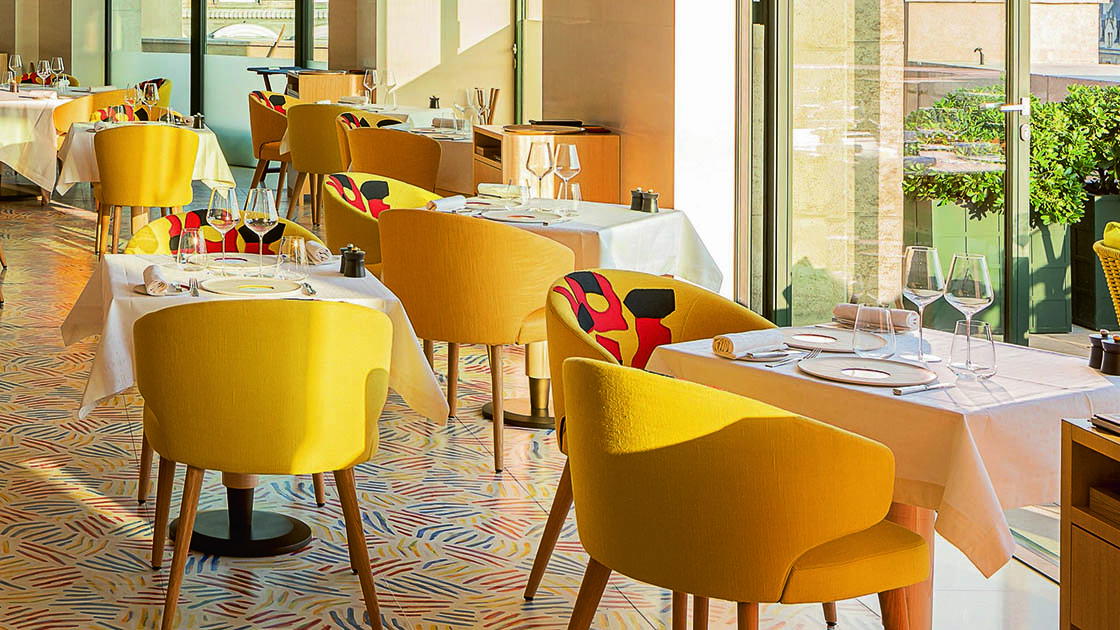
Bars in San Fermo della Battaglia
Browse all →
Hotels in San Fermo della Battaglia
Browse all →

At a Glance
- Intimate
- Cozy
- Modern
- Elegant
- Rustic
- Special Occasion
- Open Kitchen
- Natural Wine
- Farm To Table
- Local Sourcing
Cozy yet stylish with comfortable chairs, ambient music, relaxed atmosphere, modern and intimate design, warm lighting, and well-spaced tables.