
Lamark - Stube earns consecutive Michelin Plate recognition in Fügenberg's Hochfügen ski area with a farm-to-table approach that keeps the sourcing local and the pricing at the accessible end of Austria's alpine dining spectrum.. For the Zillertal Valley's altitude dining, it occupies a distinct position: ingredient-led without the formality of the Tirol fine-dining circuit.
Pearl is the En Primeur Club membership app — saves, bookings, and concierge access live there. Same editors, same standards.
- Address
- Hochfügen 34, 6264 Fügenberg, Austria
- Phone
- +43 5280 225
- Website
- lamark.at
- Directions
- Get directions
 Saves & bookings on Pearl
Alpine Farm-to-Table at Altitude: The Hochfügen Approach
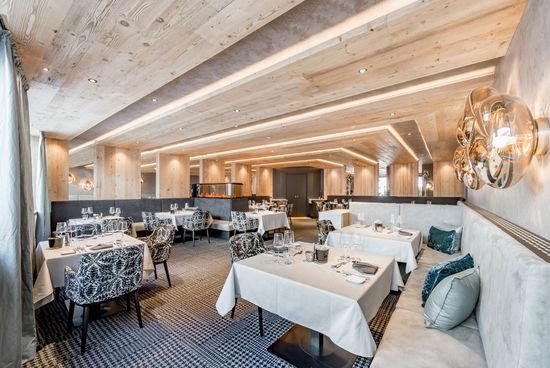
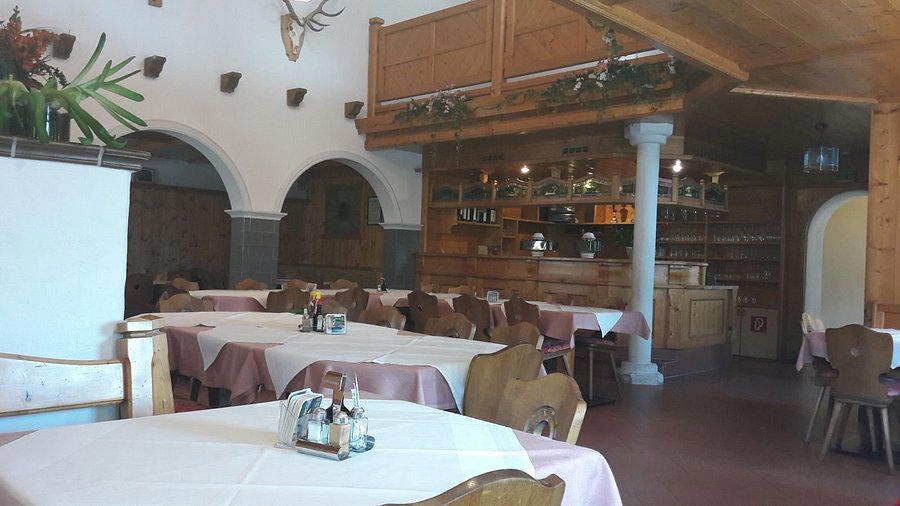
The Hochfügen plateau sits above 1,500 metres, and the restaurants that hold up at that altitude tend to be the ones that understand what the surrounding land actually produces rather than importing a city dining format into ski boots. Lamark - Stube, at Hochfügen 34 in Fügenberg, operates within that logic. A Stube by definition is a wood-panelled room built for warmth and proximity, the antithesis of the open-plan spectacle dining that defines high-end alpine resorts further west. Entering one, you feel the ceiling lower and the light shift toward amber. The architecture does the first work before any plate arrives.
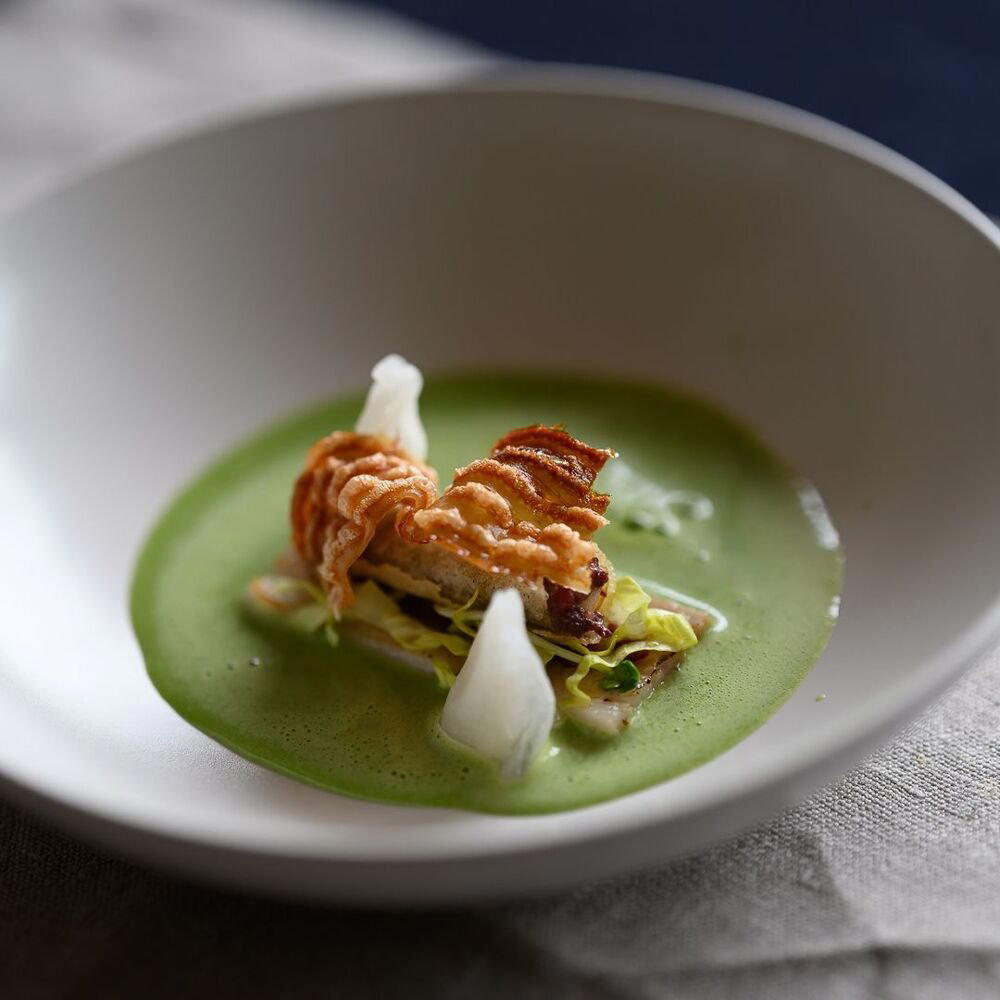
Farm-to-table as a category has been diluted in many markets by loose application, menus that gesture toward local sourcing without the supply chain to back it. In the Zillertal and its tributary valleys, however, the term still carries operational meaning. Alpine farms in this region have produced dairy, cured meats, and root vegetables under constraints that pre-date the concept's branding: short growing seasons, steep terrain, and limited storage all encourage genuine proximity between producer and kitchen. Lamark - Stube positions itself within that tradition, and the consecutive Michelin Plate awards in 2024 and 2025 indicate the kitchen is meeting a recognised standard of execution rather than coasting on setting.
Why Sourcing Matters Here Specifically
Austria's farm-to-table tier sits in a different competitive space from its starred fine-dining circuit. Venues like Steirereck im Stadtpark in Vienna or Döllerer in Golling an der Salzach work within the €€€€ bracket, applying technical ambition to Austrian ingredients at a price point that signals destination dining. Lamark - Stube operates at €€, a material difference that shifts the proposition from occasion dining to something closer to daily rhythm eating, even at altitude.
That pricing distinction matters for understanding what the sourcing commitment signals here. At the €€€€ level, ingredient provenance is a selling point layered over technical flourish. At €€, keeping the supply chain local is partly an economic decision and partly a practical one: alpine producers at this altitude work in volumes that suit smaller, neighbourhood-scale kitchens rather than high-throughput restaurant operations. The farm-to-table model functions at Lamark - Stube's price point because the local supply chain and the kitchen scale are proportionate to each other.
Within the Tirol fine-dining context, farm-driven kitchens exist at several price tiers. Gourmetrestaurant Tannenhof in Sankt Anton am Arlberg and Griggeler Stuba in Lech represent the upper end of that spectrum. The restaurant's position at the accessible end of the price range with Michelin recognition attached gives it a distinct place in the regional dining map: ingredient-led cooking that does not require a special-occasion budget.
The Michelin Plate Signal and What It Means
A Michelin Plate, introduced to the Guide in 2016, marks kitchens producing food that meets Michelin's quality threshold without reaching the star tier. It is recognition, not a consolation: plenty of restaurants receive no mention at all. Holding the Plate in consecutive years, 2024 and 2025, indicates consistent kitchen standards rather than a single strong performance during an inspection cycle. In the context of a ski-area restaurant in a small Austrian valley community, that consistency across seasons carries weight. Alpine resort kitchens face genuine operational challenges: seasonal staff cycles, supply logistics during heavy snowfall periods, and a guest base that rotates weekly rather than building the repeat-visit base that anchors urban dining rooms.
Elsewhere in the Austrian alpine dining circuit, Michelin recognition at this level clusters around kitchens that take a position on ingredients with some discipline. Kräuterreich by Vitus Winkler in Sankt Veit im Pongau and Schwarzer Adler in Hall in Tirol both operate within the broader Austrian regional produce tradition. The restaurant's Plate sits within that same current rather than outside it.
The Reader Profile and How to Use This Restaurant
Hochfügen is primarily a ski area, which means the guest profile at the restaurant skews toward people already in the mountains for other reasons. That context shapes how the restaurant functions: it is not a destination that generates its own travel logic in the way that Ikarus in Salzburg or Obauer in Werfen might. Instead, it is the kind of kitchen that rewards guests who would otherwise default to the resort's convenience options, a Michelin-recognised alternative at a price that does not require justification.
For those building a broader Tirol or Zillertal dining itinerary, the restaurant connects naturally to the region's farm-produce culture. Comparable farm-to-table positions appear in German-speaking kitchens across the region: BOK Restaurant Brust oder Keule in Münster and Clostermanns Le Gourmet in Niederkassel offer useful comparative reference points for the broader German-speaking farm-to-table tradition at the mid-price tier.
Within Fügenberg and Hochfügen specifically, the restaurant sits at an address that is direct to reach during the ski season, when the plateau infrastructure is open. Off-season access depends on road conditions and the operating calendar, which is worth confirming before planning around it. See our full Fügenberg restaurants guide for context on the area's full dining options, and our full Fügenberg hotels guide for accommodation that positions you well for Hochfügen dining. The Fügenberg bars guide, wineries guide, and experiences guide round out the planning picture for longer stays.
In resort contexts, review averages tend to compress toward the middle because the guest base is varied and expectations span a wide range. Holding 4.9 in that environment points to a kitchen that performs consistently for guests who did not arrive with specialist dining expectations.
Where Lamark - Stube Sits in Austria's Alpine Dining Conversation
Austria's alpine restaurant scene has two dominant modes: the resort-adjacent fine-dining room targeting international ski tourists with multi-course ambitions, and the Stube-format kitchen rooted in regional produce and Tyrolean hospitality rhythms. Stüva in Ischgl and Restaurant 141 by Joachim Jaud in Mieming demonstrate how the alpine fine-dining mode operates at its upper tier. Ois in Neufelden offers a regional comparison point for produce-led Austrian cooking at a different elevation and context.
The restaurant's positioning in the second mode, Stube format, farm-sourced supply, accessible price point, with Michelin recognition attached places it in a small subset of alpine kitchens that manage both the warmth of the traditional format and the cooking rigour that independent quality assessment rewards. That combination is rarer than the category count suggests.
Planning Your Visit
The restaurant is located at Hochfügen 34, Fügenberg, in the Zillertal Valley region of Tirol, Austria. The €€ price range places it at the accessible end of Michelin-recognised dining in the area. The Stube format suggests a room built for groups and families as much as couples; the pricing and physical format support that broader use case. The Stube format suggests a room built for groups and families as much as couples; the pricing and physical format support that broader use case.
At-a-Glance Comparison
Comparable venues nearby, for context on price, style, and recognition.
| Venue | Cuisine | Price | Awards | Notes |
|---|---|---|---|---|
| Lamark - StubeThis venue — the venue you are viewing | Modern Tyrolean Cuisine | $$$ | Michelin Plate | Not listed |
| Spieljochbahn Mountain Loft | Italian Mountain Pizza & Regional | $$ | Not listed | Fügenberg |
| Rauter Stube | East Tyrolean Regional Fine Dining | $$$ | Michelin Plate | Matrei in Osttirol |
| Tiroler Hof | Creative Austrian Fine Dining & Tyrolean Tavern Classics | $$$ | Michelin Plate | Am Rain |
| Zum Tischlerwirt | Modern Tyrolean Austrian | $$$ | Michelin Plate | Reith bei Kitzbühel |
| Gasthof Goldgasse | Traditional Austrian with Baroque Recipes | $$$ | Michelin Plate | Linke Altstadt |
Recognition history
Dated appearances from independent guides and award organizations, with the underlying list record or original source where available.
Michelin Plate
Michelin
Michelin Plate
Michelin
Michelin Plate
Michelin
Continue exploring
More in Fügenberg
Restaurants in Fügenberg
Browse all →
Bars in Fügenberg
Browse all →
Hotels in Fügenberg
Browse all →
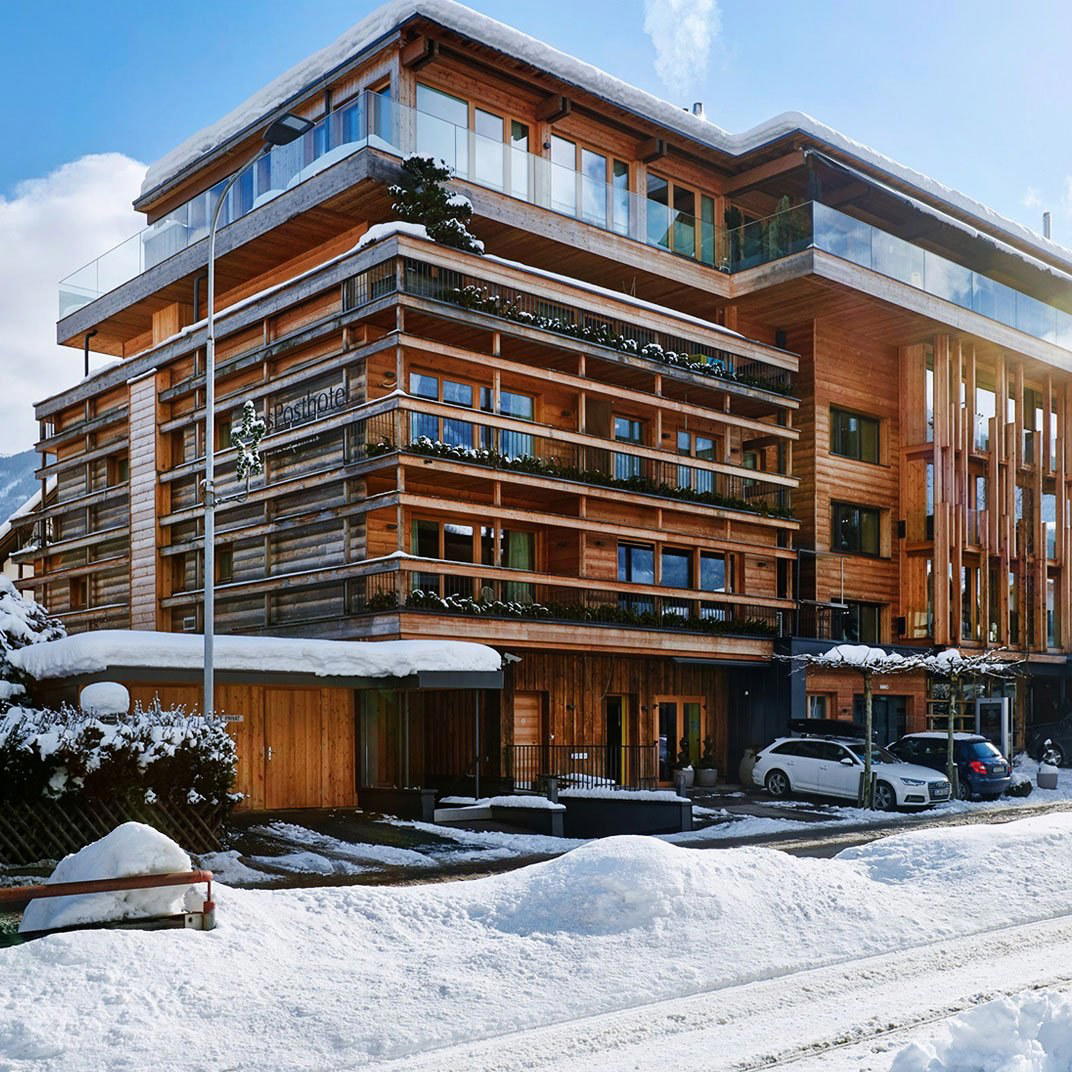
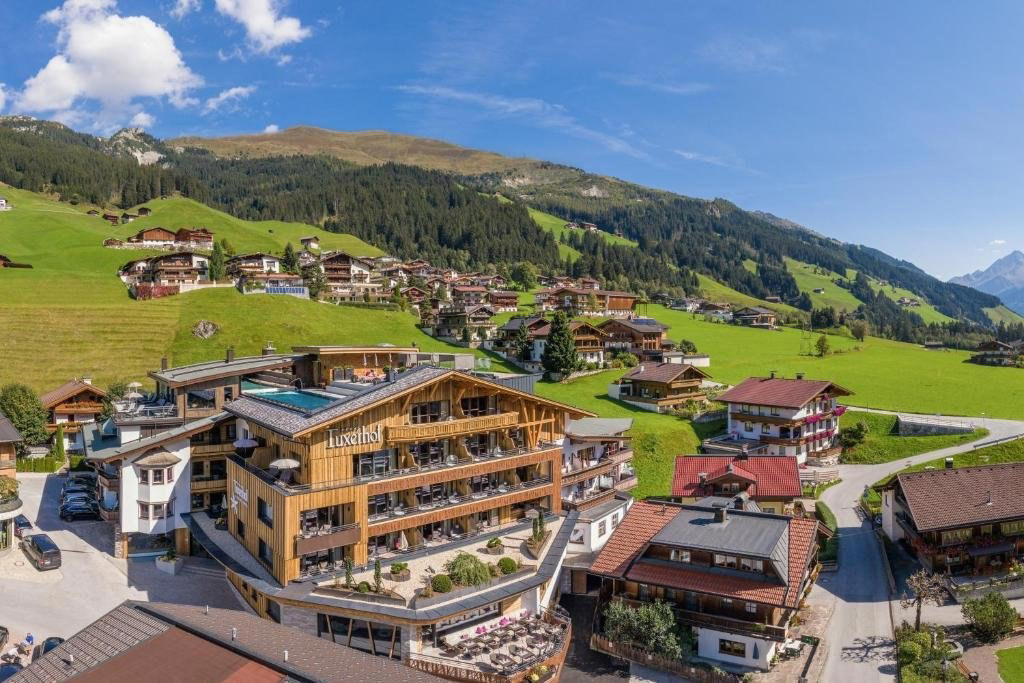
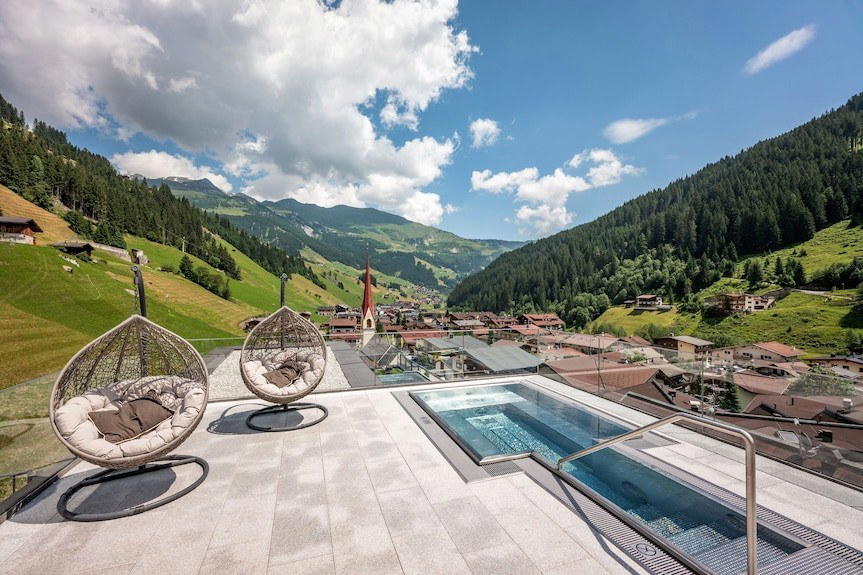
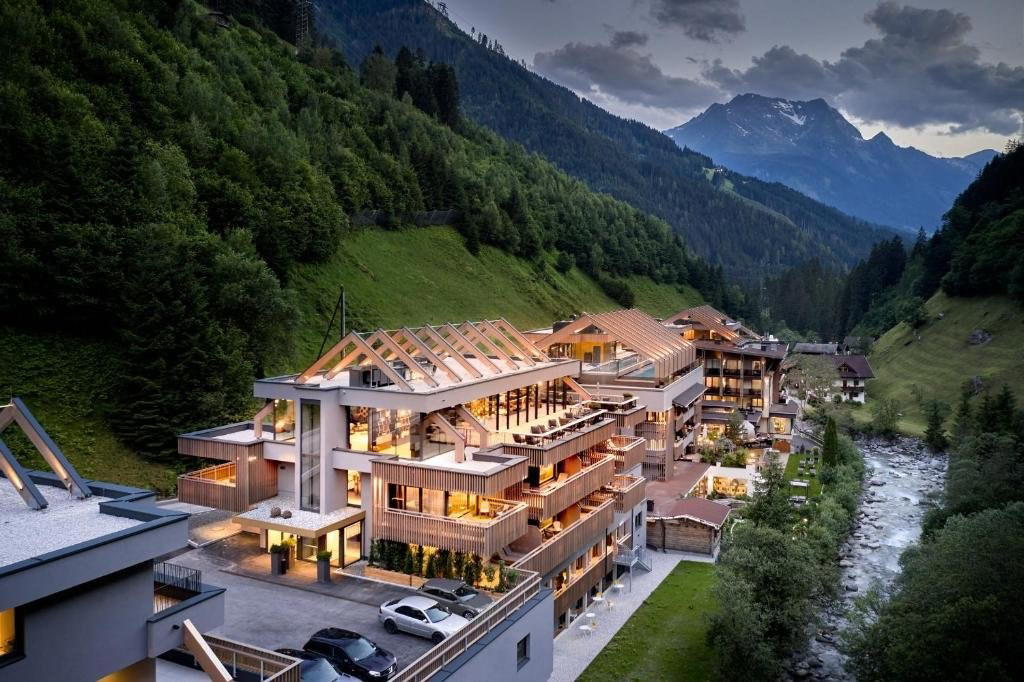

At a Glance
- Cozy
- Rustic
- Classic
- Scenic
- Special Occasion
- Terrace
- Panoramic View
- Hotel Restaurant
- Extensive Wine List
- Sommelier Led
- Farm To Table
- Local Sourcing
- Mountain
Cozy wood-panelled dining rooms with classic Alpine decor and good room acoustics for a pleasant experience.