




Paris grand dining has narrowed into a serious contest between palace rooms, chef-led temples, and creative tasting-menu houses. Alléno Paris au Pavillon Ledoyen belongs to the city’s highest luxury bracket, anchored by Yannick Alléno’s modern French vocabulary and a recognition stack that includes Michelin 3 Stars, La Liste 98 points for 2026, and repeated appearances in The World’s 50 Best Restaurants extended rankings.
Pearl is the En Primeur Club membership app — saves, bookings, and concierge access live there. Same editors, same standards.
- Address
- 8 Av. Dutuit, 75008 Paris, France
- Phone
- +33 1 53 05 10 00
- Website
- yannick-alleno.com
- Directions
- Get directions
 Saves & bookings on Pearl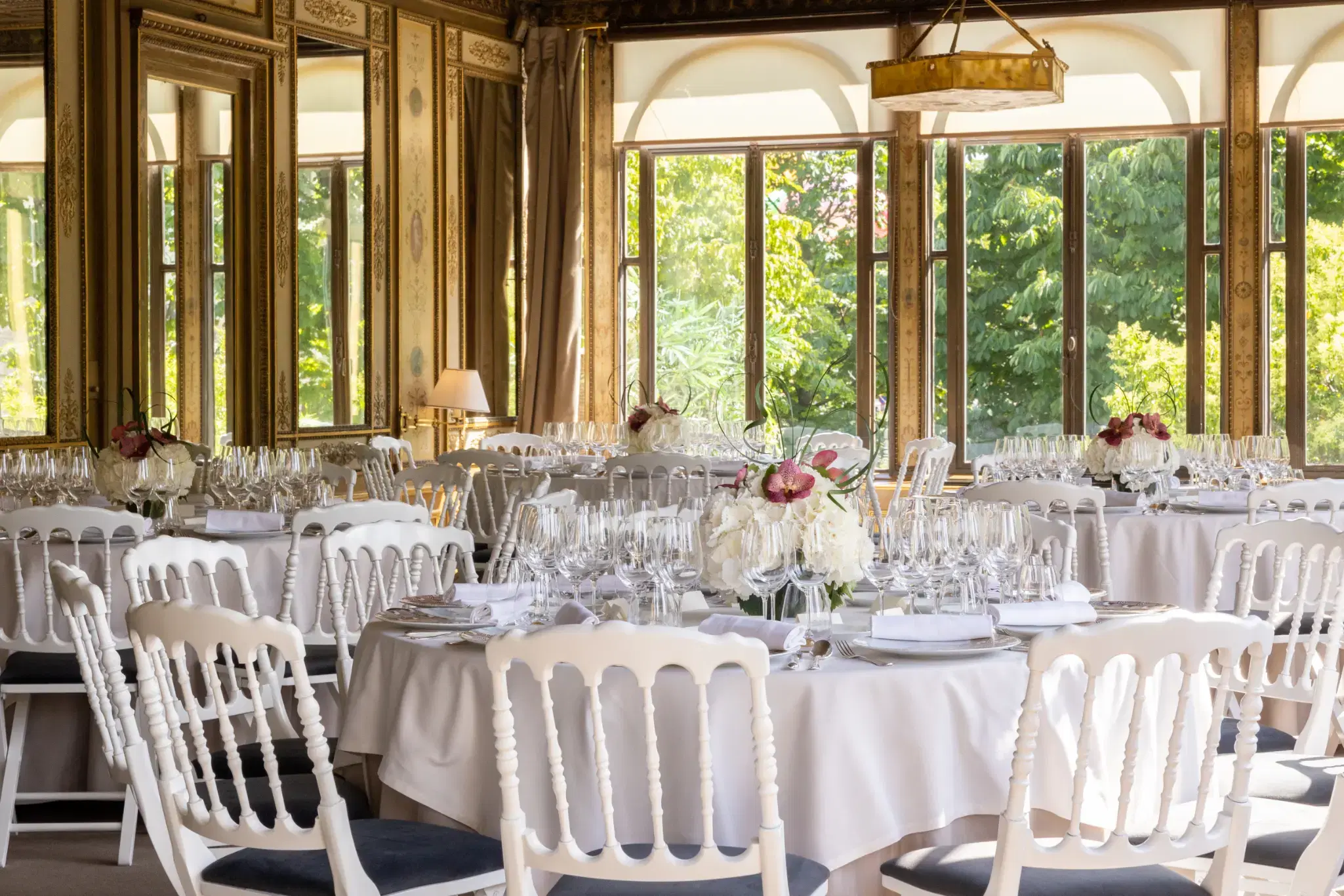
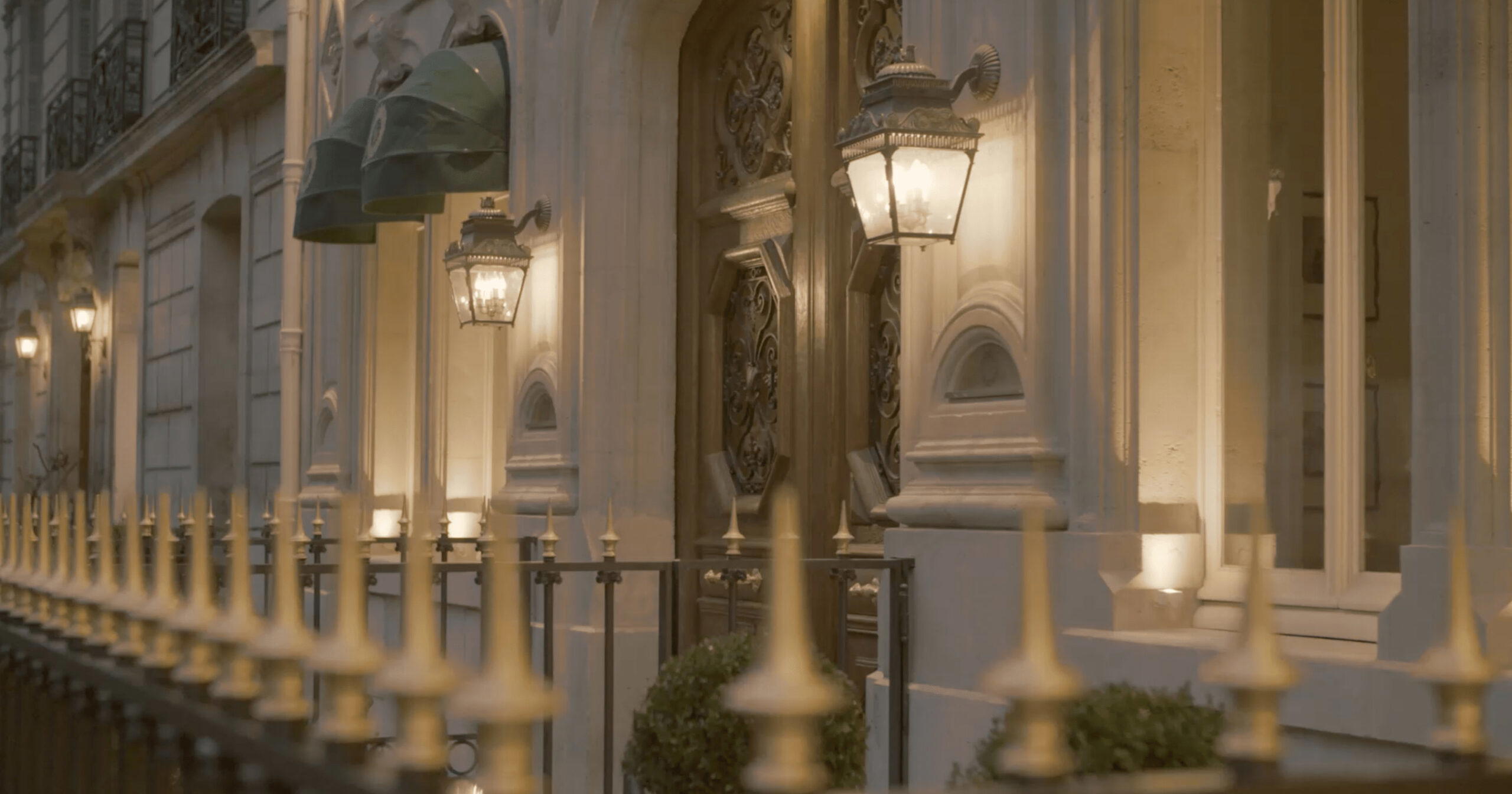
The approach to Alléno Paris au Pavillon Ledoyen carries a rare Parisian tension: the city is close, but the room belongs to a more formal register of dining. This is not the new casual Paris of counter seats, natural wine, and stripped plaster. It is the older grammar of occasion dining, reworked through the contemporary chef-restaurant model, where technique, pacing, and institutional confidence matter as much as appetite.
That distinction is useful in Paris because the city’s exceptional fine-dining tier is crowded with different claims on luxury. Palace restaurants trade on hotel service and capital-intensive rooms; independent gastronomic houses push authorship harder; newer creative kitchens chase intimacy, loosened service, and sharper positioning. Alléno Paris au Pavillon Ledoyen sits in the formal end of that field, competing less with neighborhood dining rooms than with high-ceremony addresses such as L’Écrin, Le Gabriel - La Réserve Paris, and Le Meurice Alain Ducasse. Among ambitious restaurants in the city, the question is not whether the format is serious. It is how ambition is expressed: through spectacle, austerity, historical codes, or the chef’s technical system.
Fine dining filtered through Yannick Alléno's technical language
Yannick Alléno’s role here is not a biographical footnote; it explains the restaurant’s position in Paris. High-level restaurant cooking has spent the past two decades negotiating its relationship with classic technique, reduced luxury, global influence, and the lighter visual language expected of contemporary fine dining. Alléno’s work is associated with a technical language that places the restaurant in a lineage treating culinary tradition as a living system rather than a museum piece.
That matters because Paris now rewards several kinds of chef identity. In other Paris dining rooms, authorship may be framed through produce, cultural fluency, or a younger experimental register. Alléno’s lane is more institutional: not conservative, but deeply invested in the architecture of grand restaurant cooking, especially the way technical decisions can define the logic of a dish.
The recognition profile confirms the tier. Michelin 3 Stars in 2025, La Liste Top Restaurants 2026 at 98 points, Opinionated About Dining Classical in Europe at #34 in 2025, and an appearance in The World’s 50 Best Restaurants extended rankings at #79 in 2024 place the restaurant in a small international conversation. Those signals do not make dinner automatically persuasive; they clarify the expectations. This is a room judged against global luxury restaurants, not simply against Parisian peers with polished service and a serious cellar.
Where it sits in Paris's exceptional fine-dining hierarchy
Paris has become more plural than its old reputation suggests. The city still understands ceremony better than almost anywhere, but its ambitious dining map now runs from grand rooms to compact chef-led formats. 19 Saint Roch represents another point within the same broad Paris conversation, while other contemporary Paris kitchens show how the city’s gastronomic energy has spread beyond the conventional palace circuit. In that context, Alléno Paris au Pavillon Ledoyen is not an all-purpose recommendation. It is for diners who want Paris in its most formal gastronomic register, with the chef’s technical signature placed inside a dining room built for occasion.
The useful comparison is not only within Paris. France’s high-end dining category changes sharply outside the capital, where setting and regional identity can carry more of the experience. The national map includes restaurants shaped by different local economies of taste, each with its own relationship to ceremony, product, and place. The Paris advantage is concentration: more international guests, more direct competition, more pressure to justify a luxury positioning through consistency rather than charm.
That pressure is why the restaurant’s durability matters. Repeated high-level recognition across Michelin, La Liste, Opinionated About Dining, and The World’s 50 Best Restaurants suggests a kitchen built for sustained evaluation, not a single season of attention. For a traveler deciding between Paris grand dining and a newer ambitious room, the editorial distinction is clear: choose this address for the codified, technically assertive version of contemporary luxury; choose a smaller restaurant if informality, discovery, or a different tempo is the point.
How to frame the meal in a Paris itinerary
This is a meal to place deliberately. Paris can absorb several ambitious meals in one trip, but repeating the same register is a common mistake. Pairing a formal restaurant with bistro cooking, wine-bar dining, or a counter-format lunch gives the city more texture. The broader planning map helps: Our full Paris restaurants guide is the natural starting point for restaurant sequencing, while Our full Paris hotels guide, Our full Paris bars guide, Our full Paris wineries guide, and Our full Paris experiences guide help build the rest of the trip around the same level of intent.
For readers comparing across Europe, high-end dining categories are not interchangeable. Other European restaurants operate in different civic and culinary contexts, where the same label can mean a different relationship to product, informality, and price. Paris, by contrast, asks whether ambitious dining can carry the weight of gastronomic history without becoming static. Alléno Paris au Pavillon Ledoyen answers that question from the formal side: high ceremony, high technical expectation, and a chef identity strong enough to make the old codes feel argued over rather than merely preserved.
Comparison Snapshot
Side-by-side context: comparable cuisine and price.
| Venue | Cuisine | Price | Awards |
|---|---|---|---|
| Alléno Paris au Pavillon LedoyenThis venue — the venue you are viewing | Creative | €€€€ | Michelin 3 Stars, World's 50 Best Restaurants #79 (2024), World's 50 Best Restaurants #78 (2023), World's 50 Best Restaurants #41 (2021), World's 50 Best Restaurants #25 (2019), World's 50 Best Restaurants #29 (2018), World's 50 Best Restaurants #31 (2017) |
| L'Écrin | Creative | €€€€ | Not listed |
| 19 Saint Roch | Creative | €€€ | Not listed |
| Interlude | Creative | ££££ | Not listed |
| Le Gabriel - La Réserve Paris | Creative | €€€€ | Not listed |
| Le Meurice Alain Ducasse | Creative | €€€€ | Not listed |
Recognition history
Dated appearances from independent guides and award organizations, with the underlying list record or original source where available.
La Liste Top Restaurants
La Liste
Michelin 3 Stars
Michelin
Opinionated About Dining Classical in Europe Ranked #35
Opinionated About Dining
Gault & Millau Exceptional Restaurant
Gault & Millau
Michelin 3 Stars
Michelin
Opinionated About Dining Classical in Europe Ranked #34
Opinionated About Dining
The Best Chef Three Knives
The Best Chef
Michelin 3 Stars
Michelin
Opinionated About Dining Classical in Europe Ranked #34
Opinionated About Dining
World's 50 Best Best Restaurants #79
World's 50 Best
Opinionated About Dining Classical in Europe Ranked #34
Opinionated About Dining
World's 50 Best Best Restaurants #78
World's 50 Best
World's 50 Best Best Restaurants #41
World's 50 Best
World's 50 Best Best Restaurants #25
World's 50 Best
World's 50 Best Best Restaurants #29
World's 50 Best
World's 50 Best Best Restaurants #31
World's 50 Best
Continue exploring
More in Paris
More from Chef Yannick Alléno
Browse all →
Restaurants in Paris
Browse all →
Bars in Paris
Browse all →
Hotels in Paris
Browse all →




At a Glance
- Elegant
- Romantic
- Well Known
- Sophisticated
- Classic
- Date Night
- Business Dinner
- Special Occasion
- Celebration
- Open Kitchen
- Historic Building
- Garden
- Design Destination
- Panoramic View
- Extensive Wine List
- Sommelier Led
- Local Sourcing
- Farm To Table
- Sustainable Seafood
- Garden
- Street Scene
Current opening hours
- Monday
- 7 PM–12 AM
- Tuesday
- 7 PM–12 AM
- Wednesday
- 7 PM–12 AM
- Thursday
- 7 PM–12 AM
- Friday
- 7 PM–12 AM
- Saturday
- Closed
- Sunday
- Closed
Hours can change for holidays and private events. Last verified .
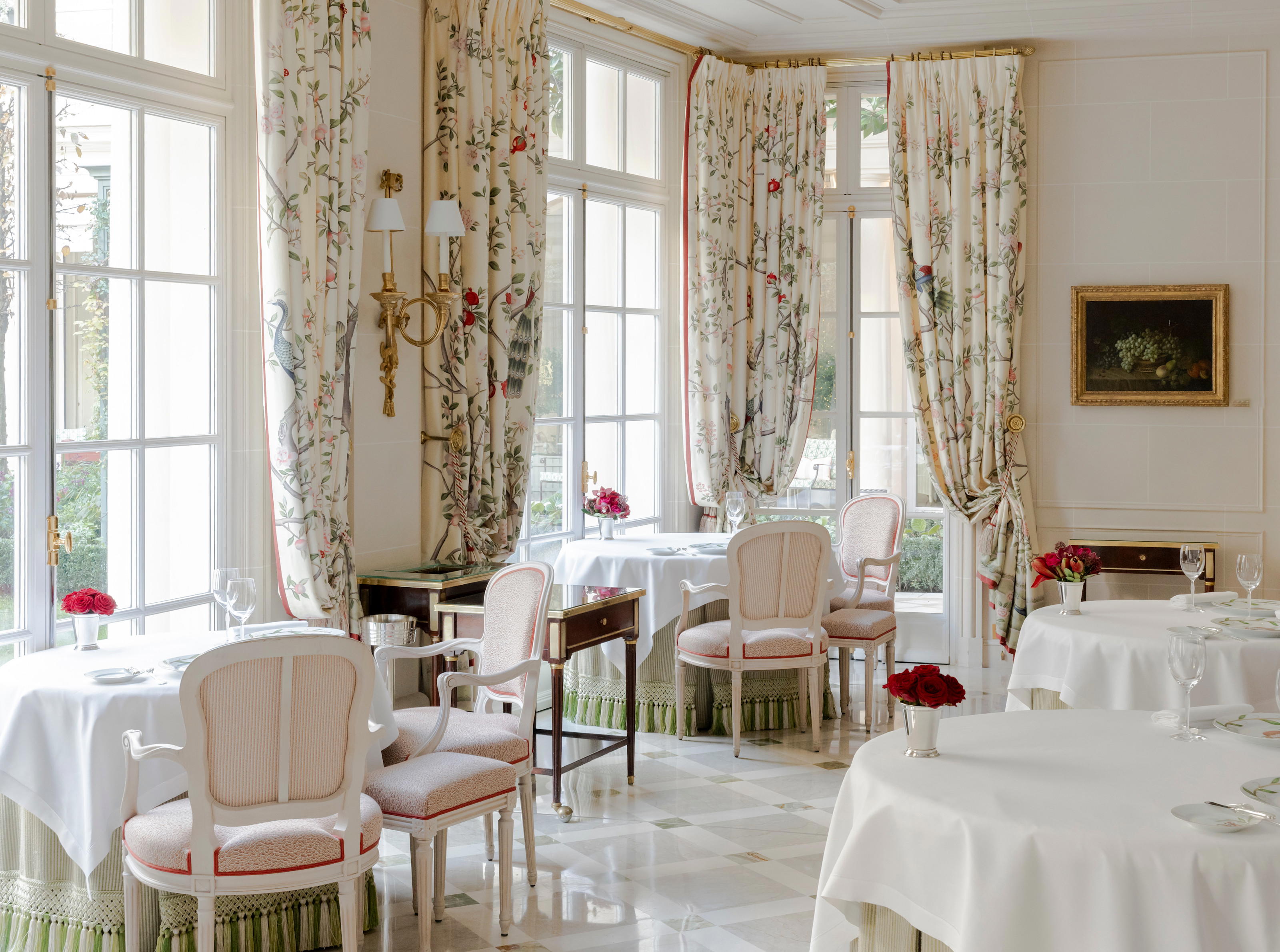
Refined and luminous with vast bay windows overlooking the Champs-Élysées and gardens; sumptuously decorated historic dining room with elegant, understated luxury and meticulous attention to detail in every element.
Know Before You Go
- Reservations
- Essential
- Dress code
- Formal
- Getting there
- 8 Av. Dutuit, 75008 Paris, France