Le Bistrot du Brau

A Michelin Plate recipient in consecutive years, Le Bistrot du Brau sits inside Eygalières — one of the Alpilles' most quietly serious dining villages — and serves traditional Provençal cuisine at a price point (€€) that makes it an accessible entry into the region's ingredient-driven cooking. It holds a clear position among the village's most consistently regarded tables.
Pearl is the En Primeur Club membership app — saves, bookings, and concierge access live there. Same editors, same standards.
- Address
- 765 Chem. de Pestelade, 13810 Eygalières, France
- Phone
- +33 4 90 95 29 62
- Website
- hotellabastide.com
- Directions
- Get directions
 Saves & bookings on Pearl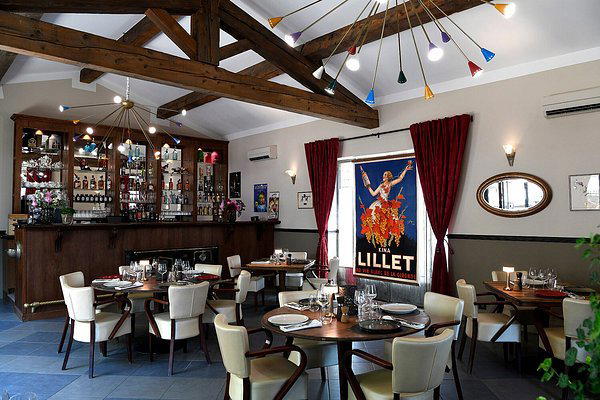
The Alpilles Table and What It Means
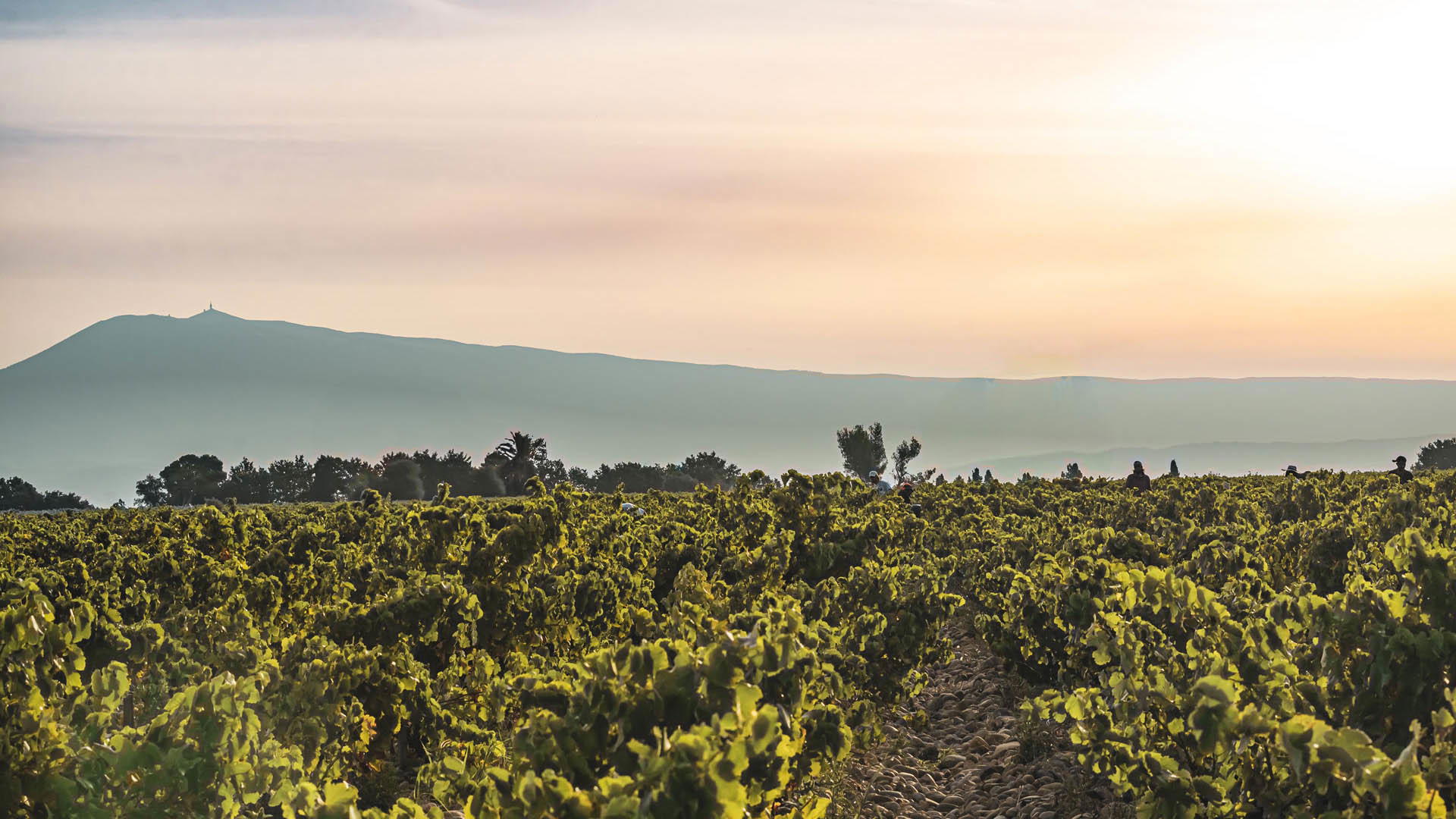
Eygalières occupies an unusual position in the Provence dining hierarchy. It is small enough to be overlooked by visitors routing through Arles or Avignon, yet it has accumulated a cluster of serious tables that operate well above their apparent scale. The village sits in the Alpilles, a limestone range where the garrigue — wild thyme, rosemary, lavender, and scrub oak — grows right up to the edges of olive groves and market gardens. That proximity to raw ingredients is not incidental to what ends up on the plate. It shapes the entire logic of cooking here. For context on the full spread of where to eat and drink in the area, see our full Eygalières restaurants guide.
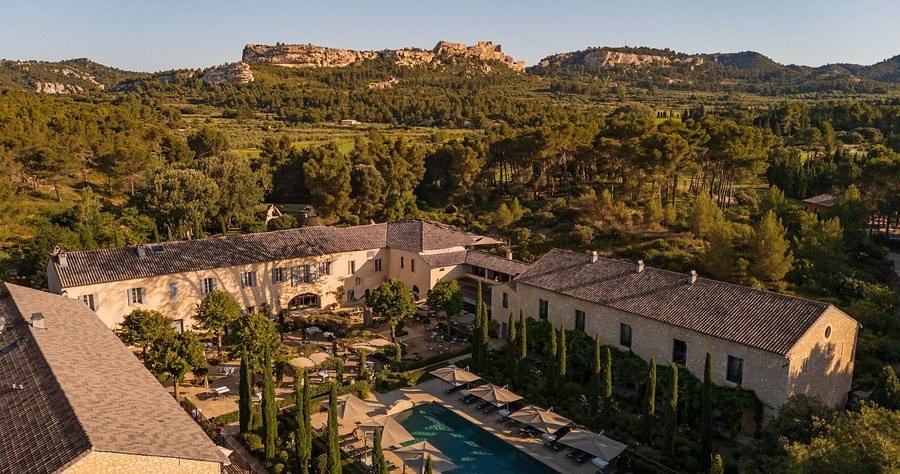
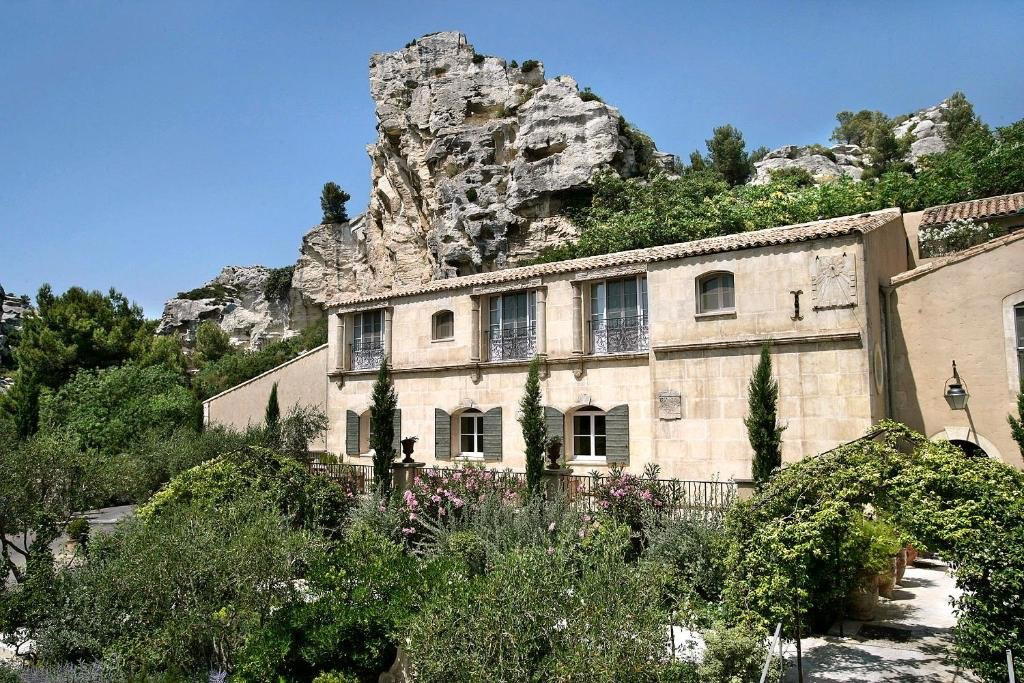
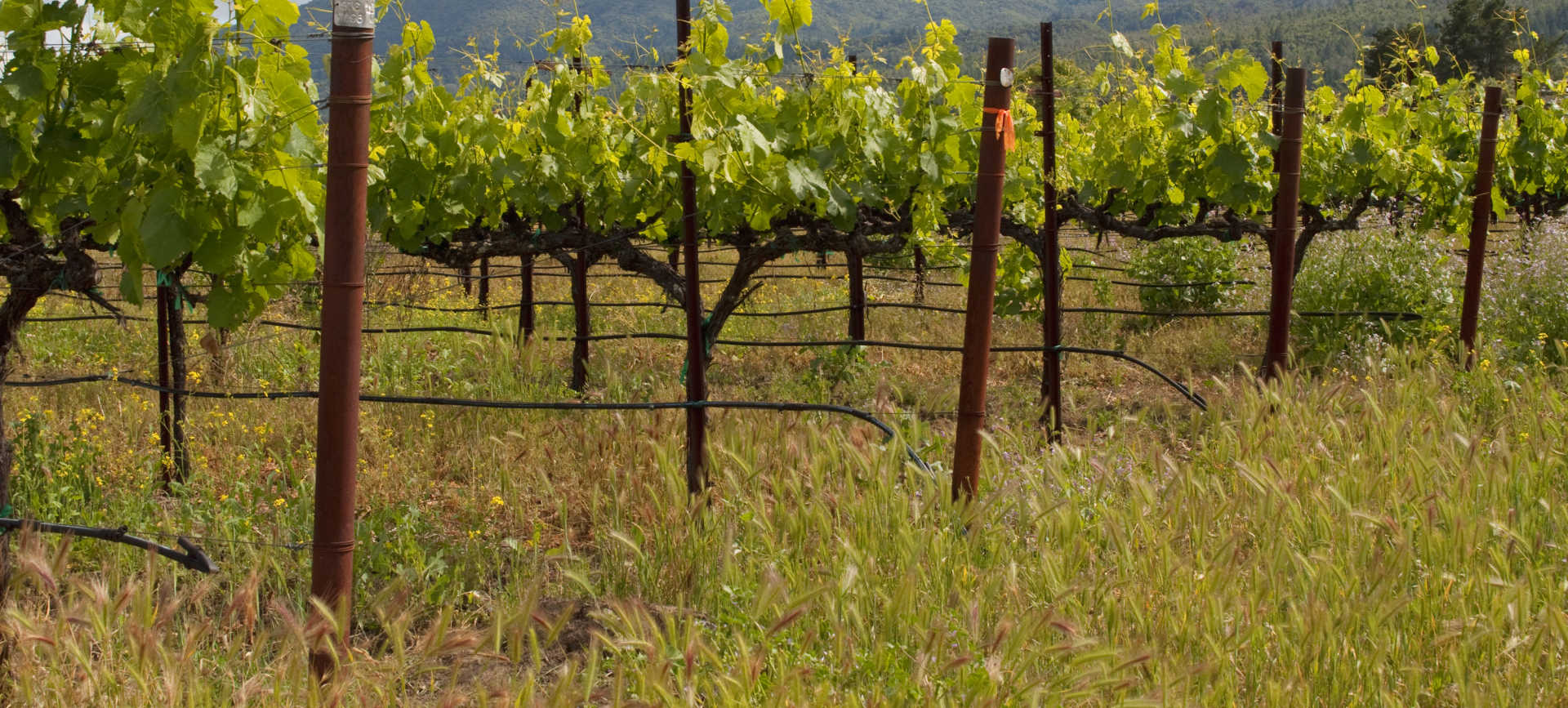
Le Bistrot du Brau sits within this setting, on the Chemin de Pestelade at the edge of the village. Approaching it, the shift from the narrow stone streets of the centre to a more open, agricultural edge is immediate. The Alpilles light, hard in summer, softer through April and October, falls across the surrounding terrain in a way that places you firmly in working Provence, not a postcard version of it. That physical context matters because the cooking here is rooted in the same landscape. Traditional Cuisine, as Michelin classifies it, means something specific in this geography: it signals a commitment to the established canon of regional ingredients rather than a pivot toward contemporary abstraction.
Ingredient Logic in Traditional Provençal Cooking
The Michelin Plate, awarded to Le Bistrot du Brau in both 2024 and 2025, denotes good cooking without stars, a category that sits below the star tiers but above general recommendation. In practice, Michelin Plate recognition in a village bistrot context often signals consistent technique applied to local produce, which is the harder achievement in a region where seasonal supply varies sharply. The Alpilles market circuit, Saint-Rémy-de-Provence being the most substantial nearby hub, feeds directly into what restaurants of this type can source week to week.
Traditional Provence cooking at the bistrot level draws from a short list of foundational ingredients: olive oil pressed from mills still operating in the Vallée des Baux, lamb from the garrigue slopes (Agneau de Sisteron carries AOC status and is a fixture on regional menus), tomatoes from market gardens around Maussane and Mouriès, and vegetables from the Crau plain directly south. Chickpeas, anchovies, herbs both dried and fresh, and cheeses from the broader Provence-Alpes region fill in the supporting architecture. What distinguishes a kitchen that uses these ingredients well from one that merely lists them is restraint in transformation, knowing that olive oil from a local mill, applied correctly, does more work than technique applied to an inferior product.
This is the culinary argument that defines the better end of the traditional bistrot category in France, and it is the argument Michelin implicitly validates when it awards its Plate designation to a small restaurant in a village of a few hundred permanent residents. Comparable traditional-cuisine operations that have earned sustained Michelin attention, such as Auberge Grand'Maison in Mûr-de-Bretagne, operate on a similar logic: regional ingredient fidelity as the primary signal of quality, regardless of format scale.
Where Le Bistrot du Brau Sits in the Eygalières Scene
Eygalières' dining scene is small but stratified. At the upper end, Maison Hache represents a more elaborated Provençal approach.
That positioning is a feature, not a limitation. The strongest argument for a village bistrot in this price bracket is that it delivers the ingredient story of a place without the ceremony that adds cost and sometimes distance. You are not here for theatrical plating or a procession of courses. You are here because the Alpilles produces some of the most characterful raw materials in southern France, and a kitchen that handles them with knowledge and restraint is worth the detour.
For a sense of what the Michelin tier system looks like at its higher registers in France, the comparison set is instructive: Mirazur in Menton, Alléno Paris au Pavillon Ledoyen, Flocons de Sel in Megève, and Bras in Laguiole each represent what ingredient sourcing looks like when scaled to three-star ambition. The bistrot category is a different register entirely, but the underlying respect for provenance connects them.
Planning a Visit
Eygalières is most easily reached by car from Saint-Rémy-de-Provence (approximately 10 kilometres north) or from Salon-de-Provence to the south. The village is not on a rail line, and a car is the practical requirement for any serious exploration of Alpilles dining. The summer months from June through August bring the highest visitor density to the Alpilles; tables at Michelin-recognised restaurants in the area book in advance during this window, and Le Bistrot du Brau, given its size and local following, is no exception. Visiting in May, September, or October puts you in the village at its most agreeable, with market produce still at high quality and the tourist pressure significantly reduced.
The €€ price range positions the bistrot as a lunch destination as much as dinner, which in Provence has cultural logic: the long Provençal lunch, with its natural connection to local wine and unhurried pace, is still practiced here with more conviction than in most of France. If you are building a broader Alpilles itinerary, our full Eygalières hotels guide, bars guide, wineries guide, and experiences guide map the rest of the village's offer.
For readers tracking the broader arc of traditional French cooking beyond the Alpilles, the category is well represented at different scales: Paul Bocuse in Collonges-au-Mont-d'Or, Auberge de l'Ill in Illhaeusern, Troisgros in Ouches, Au Crocodile in Strasbourg, AM par Alexandre Mazzia in Marseille, Assiette Champenoise in Reims, and Auga in Gijón all anchor their regional identities in ingredient sourcing with varying degrees of modernist interpretation layered on leading. The village bistrot, operating without that interpretive ambition, makes a different and equally legitimate case.
| Venue | Cuisine | Price | Awards |
|---|---|---|---|
| Le Bistrot du BrauThis venue — the venue you are viewing | Traditional Cuisine | €€ | Michelin Plate (2025); Michelin Plate (2024) |
| Alléno Paris au Pavillon Ledoyen | Creative | €€€€ | Michelin 3 Star |
| Kei | Contemporary French, Modern Cuisine | €€€€ | Michelin 3 Star |
| L'Ambroisie | French, Classic Cuisine | €€€€ | Michelin 3 Star |
| Le Cinq - Four Seasons Hôtel George V | French, Modern Cuisine | €€€€ | Michelin 3 Star |
| Plénitude | Contemporary French | €€€€ | Michelin 3 Star |
Recognition history
Dated appearances from independent guides and award organizations, with the underlying list record or original source where available.
Michelin Plate
Michelin
Michelin Plate
Michelin
Continue exploring
More in Eygalières
Restaurants in Eygalières
Browse all →
Bars in Eygalières
Browse all →
Hotels in Eygalières
Browse all →
At a Glance
- Rustic
- Cozy
- Scenic
- Elegant
- Family
- Date Night
- Casual Hangout
- Terrace
- Garden
- Extensive Wine List
- Farm To Table
- Local Sourcing
- Garden
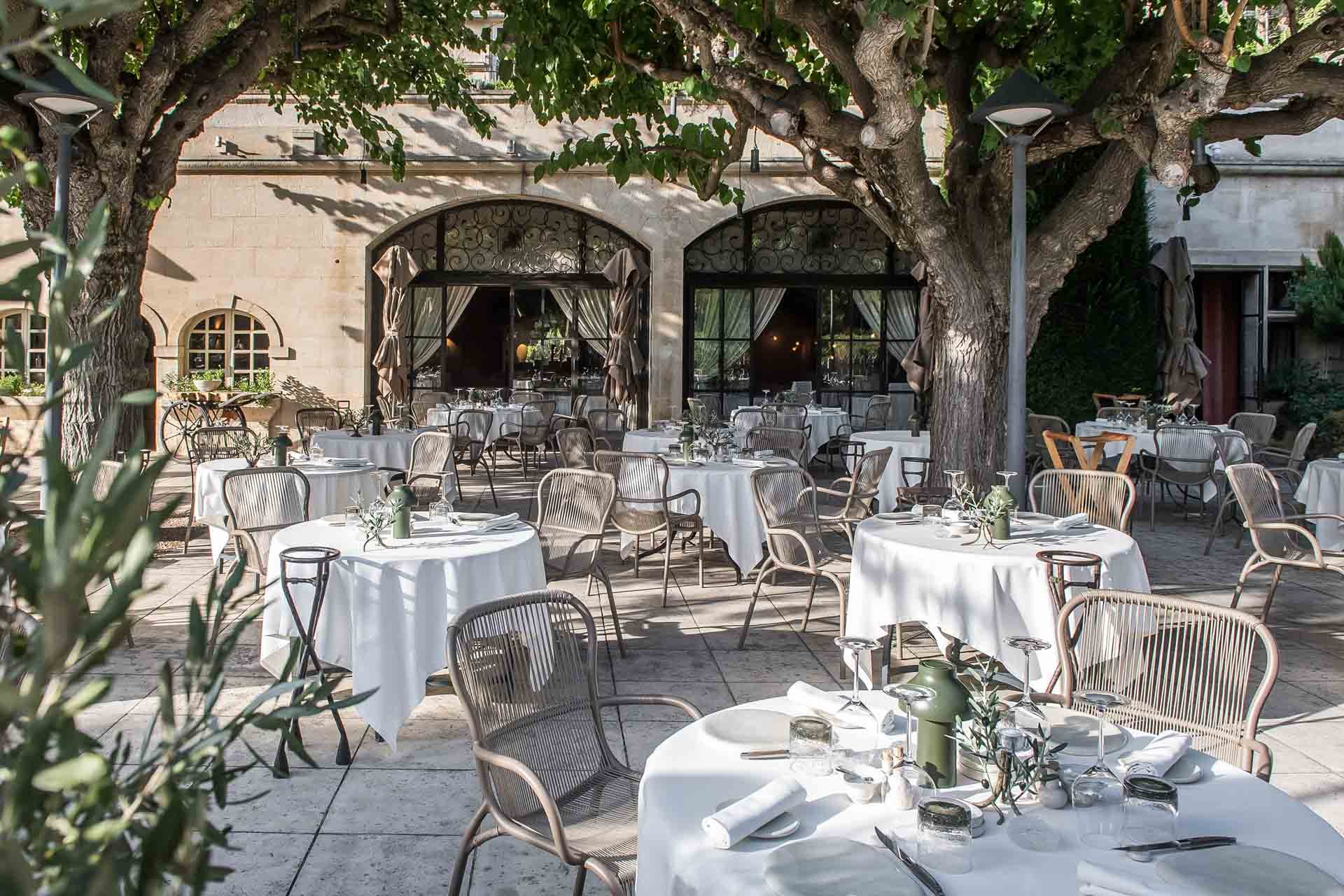
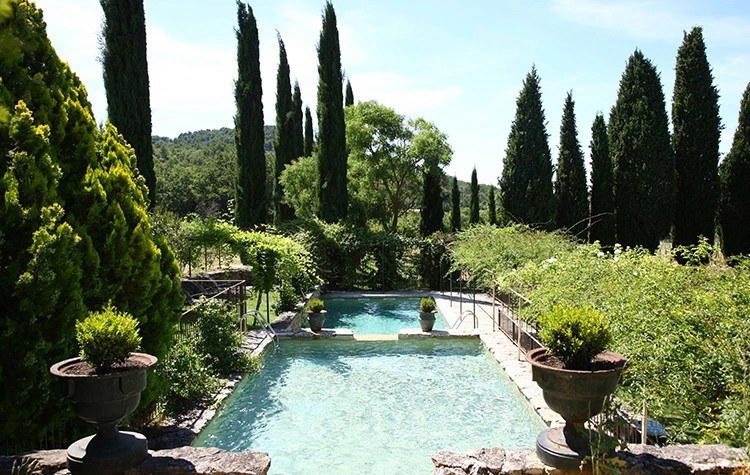
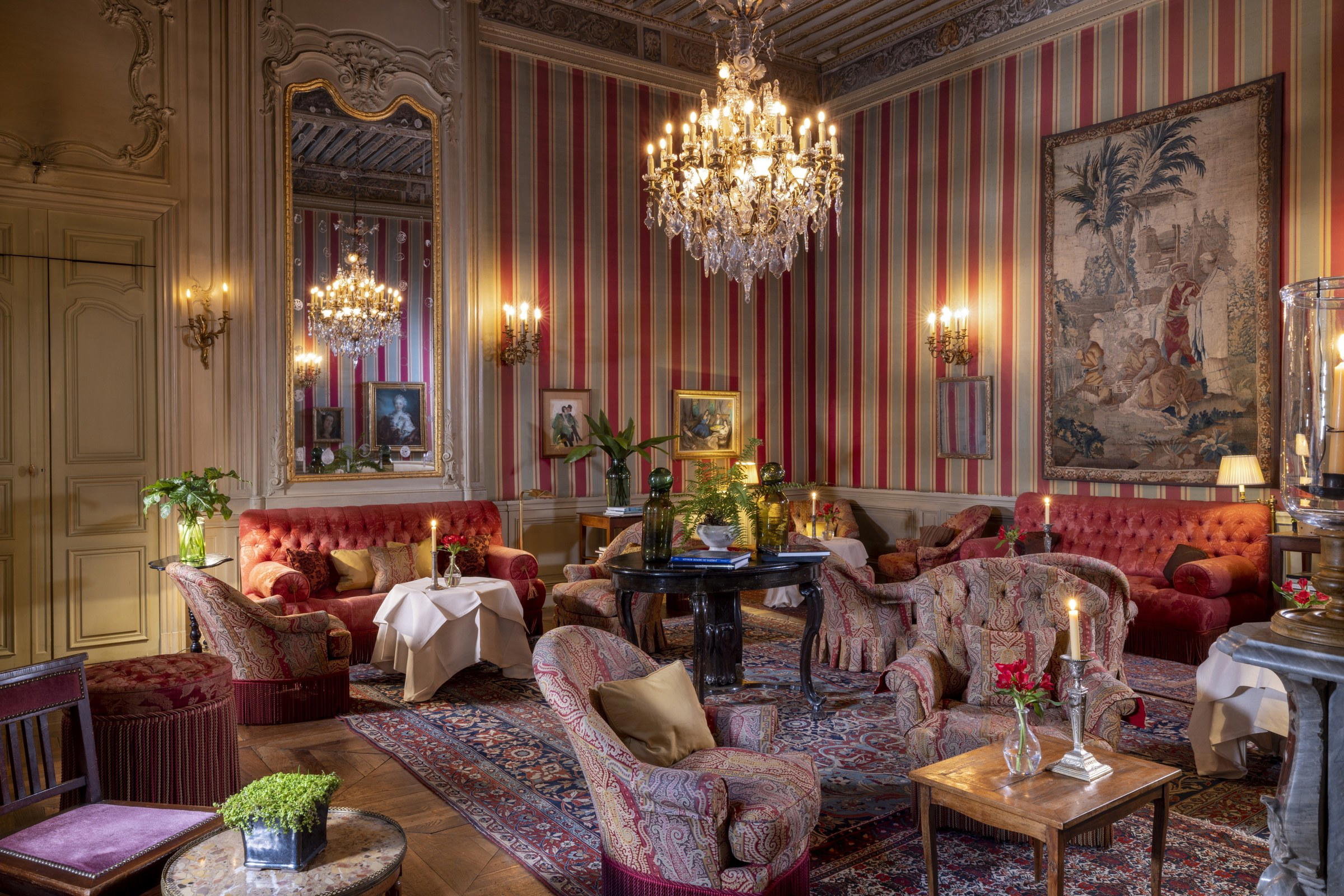
Shaded terrace with chirping cicadas and pool sounds; all-white interior with black furniture, warm and soothing Provençal atmosphere.
Know Before You Go
- Getting there
- 765 Chem. de Pestelade, 13810 Eygalières, France